2025 in Review: Strengthening Global Action to End Preventable Sepsis Deaths – Happy Holidays from the Team at the GSA
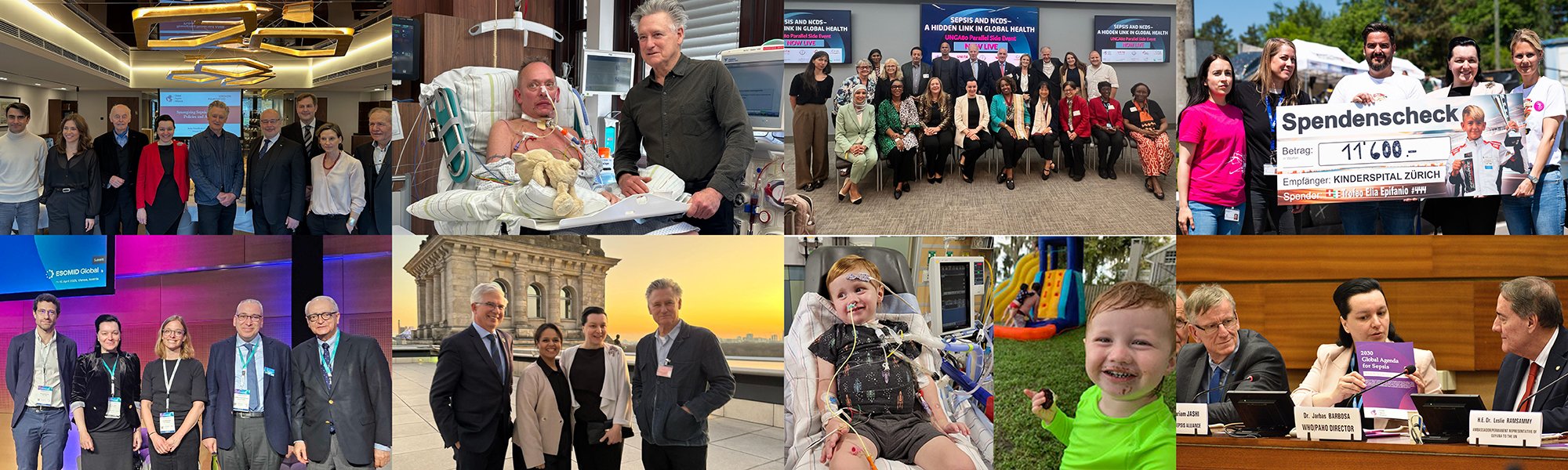
As we rapidly approach the close of 2025, we reflect with immense gratitude on a year defined by collaboration, innovation, and expanding community engagement in the fight against sepsis. From our flagship World Sepsis Congress and major technical consensus publications to new initiatives bringing sepsis survivors and global advocates into the heart of decision-making, this year was marked by remarkable achievements made possible by our over 120 member organizations, Regional Sepsis Alliances, partners, survivors, and supporters around the world.
Together, we continued to elevate sepsis on the health agenda, fuel momentum behind the 2030 Global Agenda for Sepsis, and expand opportunities for meaningful action at every level of society.
Reflecting on 2025
January / February / March

The year began with the release of the final version of the 2024 WSD Event Poster, followed shortly by an online roundtable on global perspectives on sepsis diagnostics and management, hosted by SelectScience, and Dulce sharing her sepsis story and calling for greater awareness in Mexico.
After opening the registrations for the 8th Annual Meeting of the European Sepsis Alliance and the 5th World Sepsis Congress in January, we hosted a WSC Satellite Session on the metabolism of sepsis in February – you can watch it here. Also in February, our CEO, Dr. Mariam Jashi, urged the WHO Executive Board and governments worldwide to prioritize sepsis in Universal Health Coverage (UHC) packages at the 156th Session of the WHO EB in Geneva, Switzerland.
Later in February, Frontiers in Science published a policy outlook titled ‘Investing in sepsis science for future pandemic preparedness’, authored by Dr. Mariam Jashi and Prof. Niranjan ‘Tex’ Kissoon on behalf of the Global Sepsis Alliance.
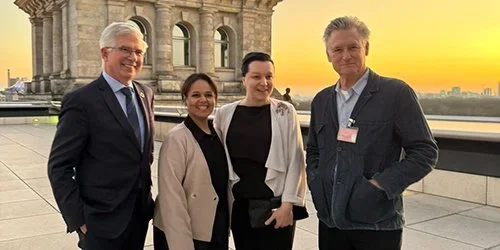
In the last week of February, the GSA welcomed esteemed actor, filmmaker, and AMR Ambassador Bill Pullman to Berlin, culminating in the ‘Overcoming Silos by Synergizing the Fight Against Sepsis and AMR’ symposium at the Charité – Universitätsmedizin Berlin.
In early March, we shared Elia Epifanio’s sepsis story, announced a partnership with the International Fluid Academy (IFA), and reported on the inaugural meeting of the Global Sepsis Innovations Platform (GSIP).
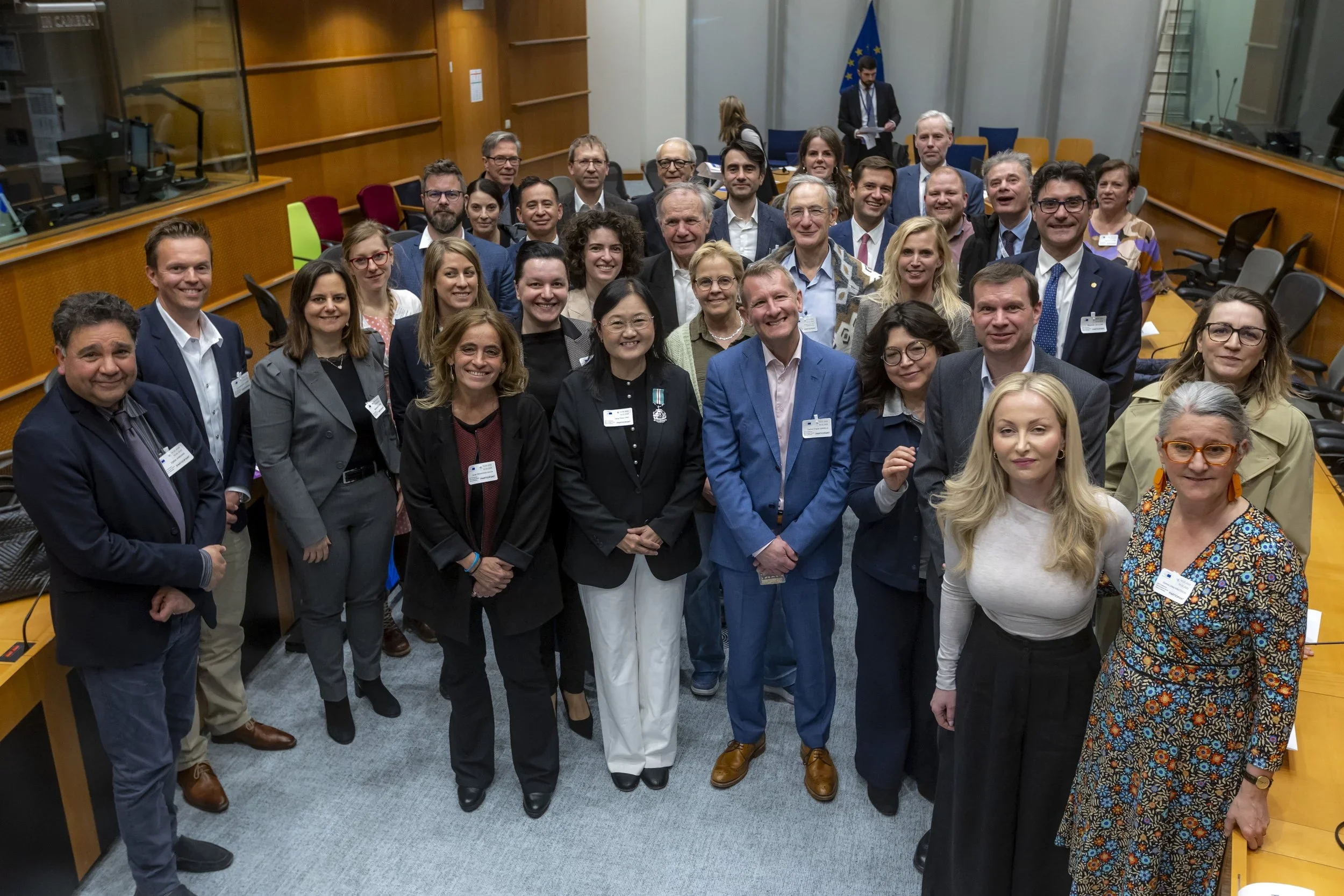
On March 19, we came to you live from the European Parliament in Brussels for the 8th Annual Meeting of the ESA, where we launched a Call to Action for European policymakers – you can rewatch it here should you have missed it, and the full report from the event is available here.
Closing out the month, GSA’s President, Prof. Niranjan ‘Tex’ Kissoon, attended the STAIRS 2nd Annual Consortium Meeting in Ghana, and Marianne Haverkamp received the Sepsis Code Award for her efforts in awareness and prevention.
April
In April, the 5th World Sepsis Congress brought together almost 12,000 participants from over 170 countries for two days of high-level knowledge exchange on sepsis epidemiology, diagnostics, care pathways, and innovations in prevention and treatment. Hosted fully online and free of charge, this year’s Congress underscored the power of shared learning and global collaboration to drive progress.
Highlights included:
Sessions on artificial intelligence, integrated care, and antimicrobial stewardship
Expert panels giving voice to sepsis survivors and family members
Multi-stakeholder discussions on research priorities and health system strengthening
The congress was held entirely online, and participation was free of charge. The talks are still available for free on YouTube and as a podcast on Apple Podcasts – just search for ‘World Sepsis Congress’ in your favorite podcast player. Maybe you’ll make time to catch up on a talk or two during the holidays?
The congress itself was an amazing success yet again – 11,945 people from 174 countries signed up to participate, 68% from low- and middle-income countries. The full report is available here, including feedback from attendees and a ton of interesting numbers and stats.
But that wasn’t all – earlier in April, the GSA launched the Global Sepsis Survivor Committee (GSSC), hosted a high-level session at the ESCMID Global Symposium in Vienna, and shared Linda’s sepsis story.
Mariam also joined UNITE at the 2025 Global Parliamentary Forum in New York and bilateral meetings in Washington, D.C.
May
May began with the GSA’s support for World Hand Hygiene Day on May 5. Clean healthcare is one of the most pressing challenges identified by the United Nations to be addressed by the global community within the next decade. It holds significant relevance in achieving the Sustainable Development Goals (SDGs) and combating infections, sepsis, and, most notably in recent years, COVID-19.

Next, Mariam participated in the 38th Meeting of the Policy and Coordination Committee (PCC) of the UNDP/UNFPA/UNICEF/WHO/World Bank Special Programme of Research, Development and Research Training in Human Reproduction (HRP), held at WHO Headquarters in Geneva.
On May 10, Mariam joined the Trofeo Elia Epifanio – a charity racing event in Switzerland, held in memory of Elia Epifanio.
On May 24, through our strategic partnership with the Medical Women’s International Association and collaboration with the Governments of Guyana and Egypt, the UNITE Parliamentarians Network for Global Health, the Virchow Foundation, Sepsis Stiftung, and CHAI, we are proud to have convened the first Official Side Event on Sepsis at the 78th World Health Assembly (WHA) in Geneva.
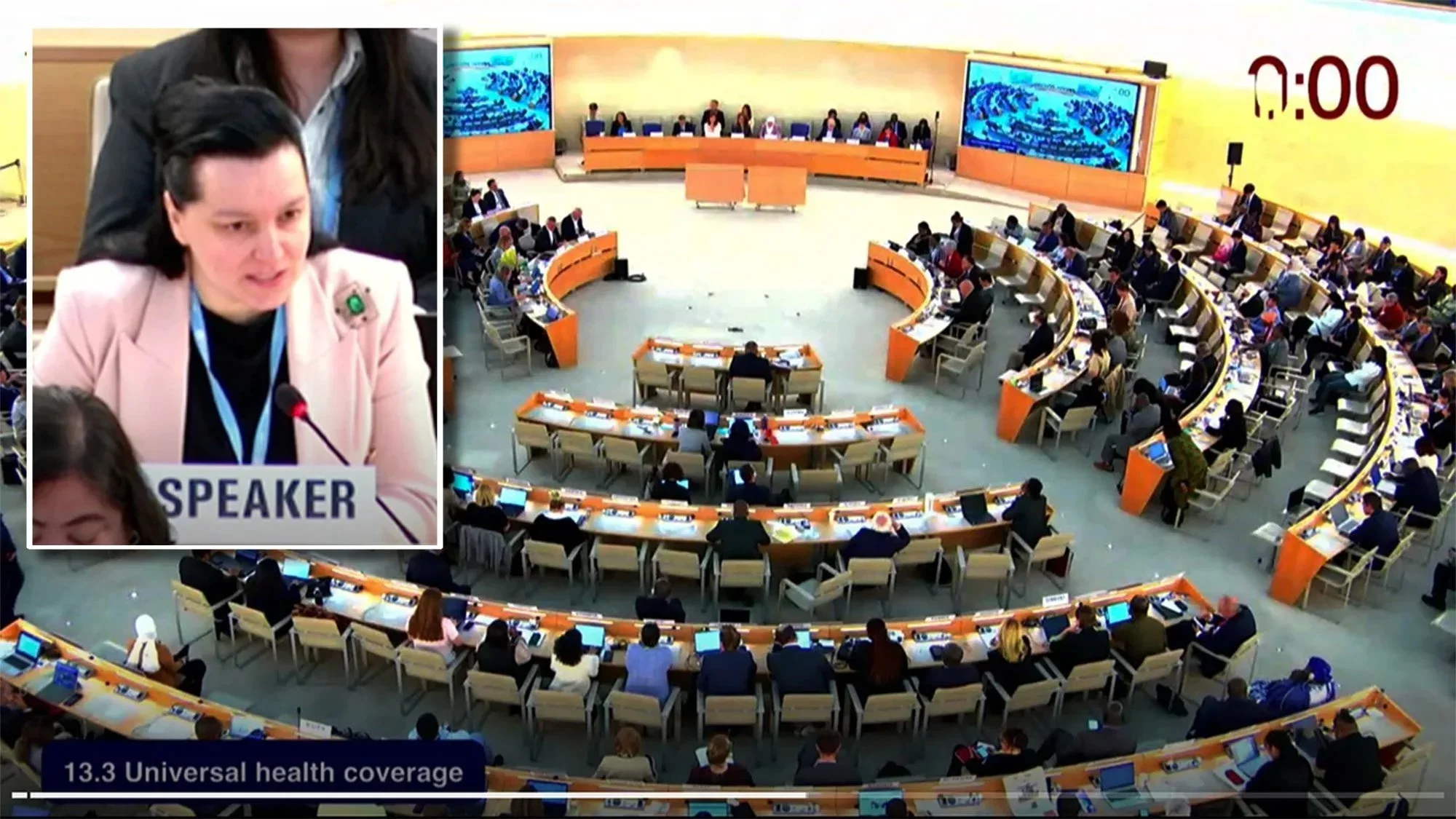
At the 78th World Health Assembly (WHA), Dr. Mariam Jashi delivered two official statements, calling on WHO Member States and key global health players to prioritize sepsis as the leading cause of death and disability worldwide.
We also started to release the sessions from the 5th WSC – as mentioned above, they are still available on YouTube and as a podcast on Apple Podcasts, if you aren’t caught up yet.
June / July / August
June started with Wilbert’s sepsis story, the reintroduction of the SEPSIS ACT in the US Senate, and the publication of the aforementioned 5th WSC Report.
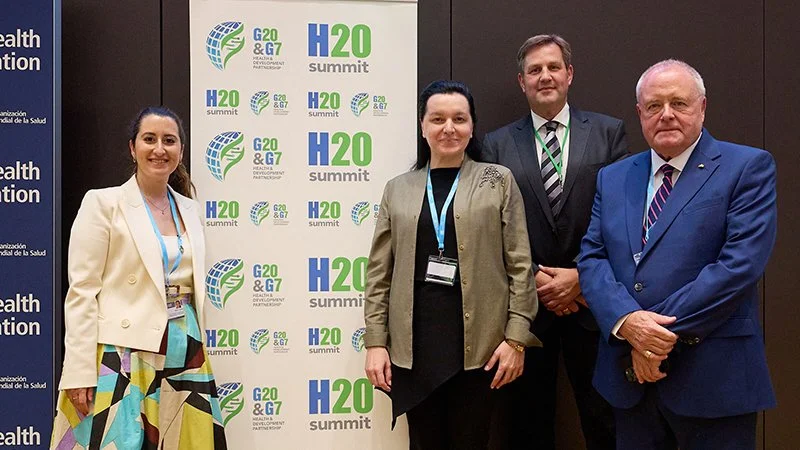
Later that month, GSA CEO, Dr. Mariam Jashi, and Partnership Lead, Simone Mancini, attended the H20 Summit, hosted by the G20 & G7 Health and Development Partnership at the World Health Organization headquarters in Geneva, under the guiding theme "Rebuilding Public Trust for Global Health – Coming Together for SDG30".
We also published our report from the 78th World Health Assembly Official Side Event on Sepsis and welcomed the newly elected Board for the 2025 to 2028 term.
Gearing up for World Sepsis Day, we published our annual collection of ideas, inspiration, and material for World Sepsis Day and invited journalists worldwide to a global webinar.
September

Finally, September – and with it, World Sepsis Day. Around the world, hundreds of events brought communities together to raise awareness of sepsis, and we are deeply grateful to everyone who took part and helped amplify this vital message.
This year, we hosted a total of 3 events ourselves – a central press conference in Berlin, our 5 Facts x 5 Actions on Sepsis event in Geneva, and the UNGA80 Side Event in New York – all 3 event recordings remain available to rewatch.
On World Sepsis Day, Dr. Tedros Adhanom Ghebreyesus, Director-General of the World Health Organization, shared his video address with the global sepsis community, among thousands of events globally raising awareness for better sepsis diagnosis, prevention, and visibility.

Later in the month, WHO Regional Director for Europe, Dr. Hans Kluge, voiced his support for a European Sepsis Plan, one of the central demands of the European Sepsis Alliance, and Marianne Haverkamp, Chair of the ESA Patient and Family Support Working Group, met with the Spanish Minister of Health.
Concluding a very busy September, we, in collaboration with the Asia Pacific Sepsis Alliance, hosted a global webinar for healthcare providers on the management of adult sepsis in resource-limited settings.
October
In October, Mariam joined the 2025 Virchow Prize Lecture, and we partnered with the Infectious Disease Alliance for two World Health Summit Side Events – Breaking the Silos: Primary Healthcare as the Bridge between NCDs and IDs, and Push, Pull, Partner: Building a Global AMR Incentive Ecosystem.
On October 7, 2025, Dr. Niranjan “Tex” Kissoon, President of the Global Sepsis Alliance, took part in the InFACT/ISARIC/CIIC-HIN Colloquium on Building Global Acute Care Research Capacity, held in Kigali, Rwanda.
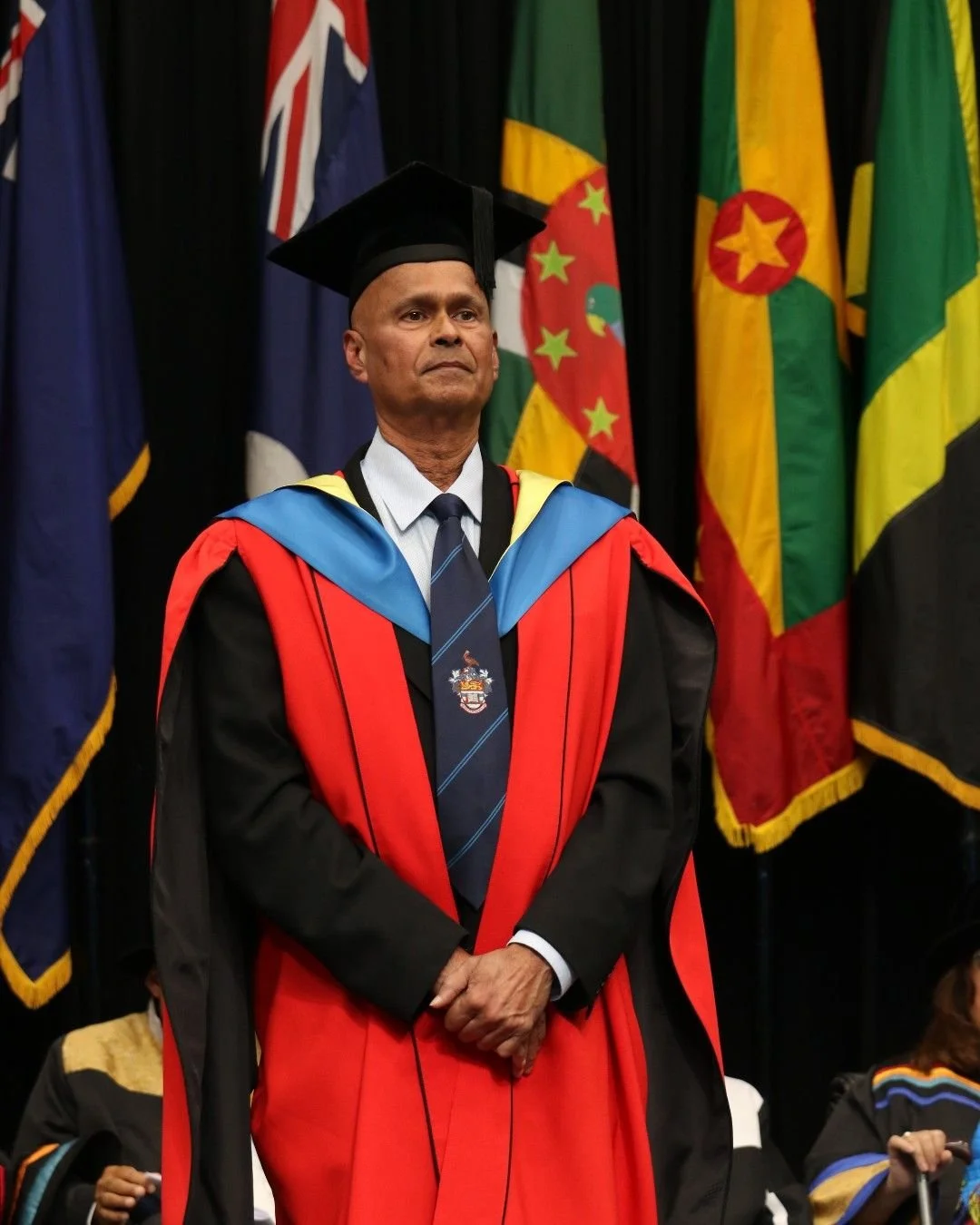
We also published the full report from our aforementioned WSD Event in Geneva and extend heartfelt congratulations to our President, Prof. Niranjan ‘Tex’ Kissoon, who received an Honorary Doctorate from the University of the West Indies (UWI).
November

In early November, we shared troubling new global estimates showing a dramatic rise in the burden of sepsis, as well as Beatrice’s sepsis story.
Honoring World AMR Awareness Week, the GSA partnered with Biotest, Menarini, and bioMérieux to bring you 3 distinct webinars exploring the relationship between sepsis and AMR:
However, the highlight of the month was the introduction of GSA’s new Individual Membership Program – a quick and easy way to support the GSA directly by becoming an official member. Whether you are a sepsis survivor, have a loved one affected by sepsis, work in healthcare, research, education, or believe in the power of global action, you now have a unique possibility to help drive the change and save millions of lives from sepsis.

December

December kicked off with the report from the MWIA 33rd International Congress and General Assembly, held in Cairo, Egypt, where Dr. Mariam Jasi was reelected as Secretary General of the MWIA.
Heartfelt congratulations to the new Members of the European Sepsis Alliance’s Steering Committee, freshly elected for the 2025 to 2028 term.
On December 5, we shared Michael’s sepsis story, followed by the extraordinary news that Ally Hossain, GSA Board Member and CEO of the Sepsis Trust New Zealand, met with the Minister of Health to advance national sepsis priorities.
On December 15, GSA collaborated with the International Federation of Medical Students' Associations (IFMSA) to present a global webinar for medical students on sepsis and AMR. (It’s okay to watch it even if you are no longer technically a student; no hard feelings.)
Just yesterday, we announced the date and title of the 6th World Sepsis Congress – April 22-23, 2025, titled Universal Sepsis Care for Newborns, Children, and Women – save the date!
Throughout the year, we held regular exchanges with our members, sponsors, partners – including the WHO – as well as our Board, to shape strategies that further accelerate the global fight against sepsis. These collaborative discussions have laid a strong foundation for exciting initiatives ahead – stay tuned for what’s to come.
Looking Ahead to 2026
As we move into 2026, our mission to eliminate preventable sepsis deaths remains stronger than ever. We will build on the momentum of 2025 by:
Sharing the learnings and outcomes from our 2025 initiatives to support implementation of the 2030 Global Agenda for Sepsis.
Hosting the 6th World Sepsis Congress — Universal Sepsis Care for Newborns, Children, and Women on April 22 and 23, 2026.
Deepening partnerships across health systems, research institutions, civil society, and survivor networks to drive evidence-based action.
Expanding advocacy and membership platforms to ensure every voice, especially those of survivors and families, shapes global sepsis priorities and solutions.
Thank you for your commitment, passion, and partnership. Together, we will continue to move the world closer to a future where no one loses a life needlessly to sepsis.