
Health New Zealand Launches National Sepsis Improvement Programme
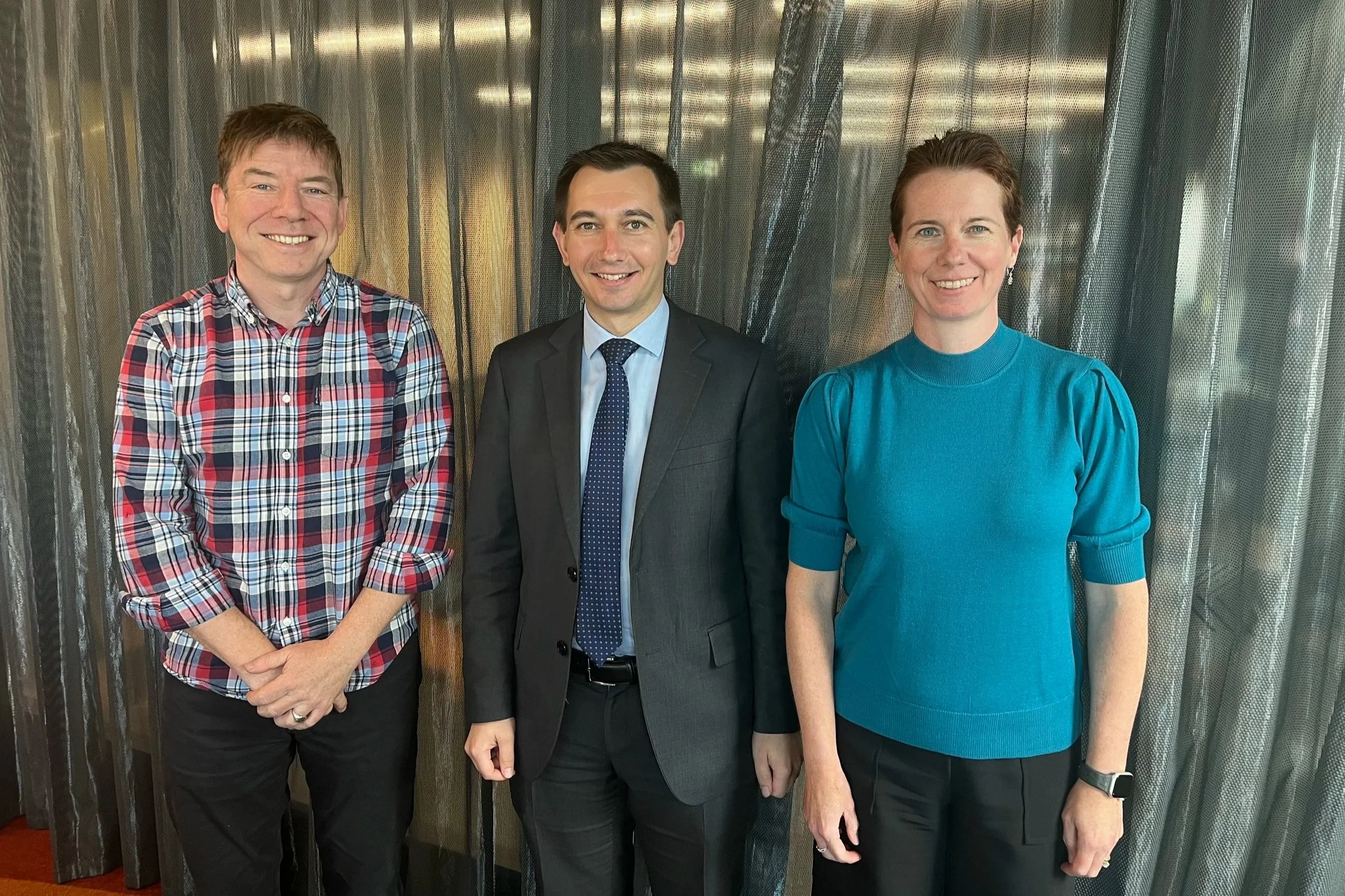
The New Zealand Sepsis Trust co-founders Dr Paul Huggan and Ally Hossain with Minister Simeon Brown
A major step forward in the fight against sepsis has been announced today, with Health NZ confirming the development of a nationwide sepsis improvement programme.
The announcement follows years of sustained advocacy from The New Zealand Sepsis Trust and other health sector champions, calling for sepsis to be recognised as a national health priority and for a coordinated approach to improving care.
The initiative aims to strengthen early recognition, standardise treatment pathways and improve outcomes for patients across Aotearoa New Zealand, where sepsis remains a significant cause of preventable death and harm.
The programme will support hospitals and frontline clinicians to implement evidence-based sepsis pathways, improve data collection and reporting, and embed consistent, high-quality care regardless of location.
Importantly, Sepsis Trust NZ will have a seat at the table as the programme moves into implementation, with its CEO (and GSA Board Member), Ally Hossain, and its Chair of its Clinical & Scientific Committee and Trust co-founder, Dr Paul Huggan, appointed to the National Sepsis Governance Committee to oversee the work.
Dr Huggan says the announcement represents a critical milestone following years of advocacy.
“This is a significant and long-awaited step forward.
“For years, we have worked alongside clinicians, families and decision-makers to highlight the devastating impact of sepsis and the urgent need for a coordinated national response.
“Today’s announcement reflects that collective effort. Although it represents a moment of satisfaction for me and the co-founders of our Trust, Dr Robert Martynoga and Dr Dan Dobbins, there is still much to be done,” he says.
CEO Ally Hossain says advocacy has always been about turning the experiences of patients and whānau into meaningful change.
“This is the moment we have been working towards. We have consistently called for sepsis to be treated as a national health priority, and to see a nationwide quality improvement programme now moving forward is a significant milestone for Aotearoa.
“For the Sepsis Trust, we continually hear first-hand what happens when sepsis is missed, treatment is delayed or care varies depending on where you live.
“There is still a lot of work ahead, but this gives us an opportunity to make lasting, system-wide improvements to the way sepsis is recognised and managed. We are proud to have advocated for this change and, through our representation on the governance group, to now be part of helping shape what happens next,” she says.
Sepsis affects thousands of New Zealanders every year and can progress rapidly, leading to organ failure and death if not treated quickly. Survivors can also face significant long-term physical and psychological impacts.
The new programme is expected to:
Support consistent implementation of sepsis clinical pathways across hospitals
Improve early detection and timely treatment
Strengthen workforce capability through training and education
Improve data collection, measurement and reporting
Support quality improvement across the health system
Help reduce variation in sepsis care and improve outcomes for patients and whānau
The rollout of the programme is expected to begin next year, with implementation across all districts.