Dr. Mariam Jashi Urges Parliamentarians to Invest in Global Health and Sepsis Agenda
Istanbul, Türkiye / Belgrade, Serbia – 2026
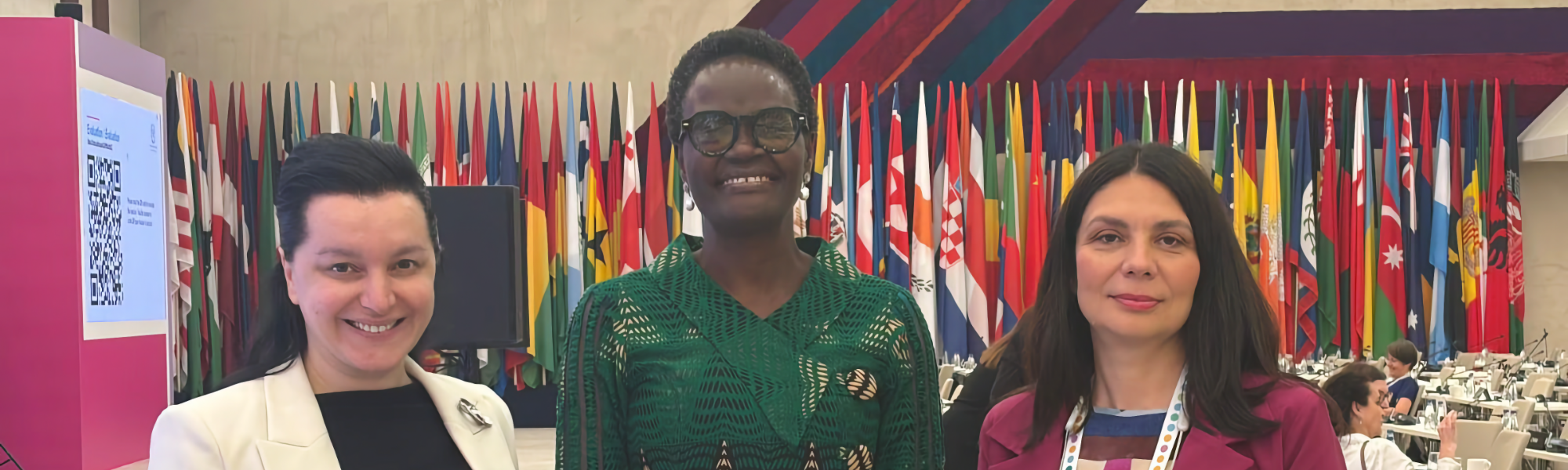
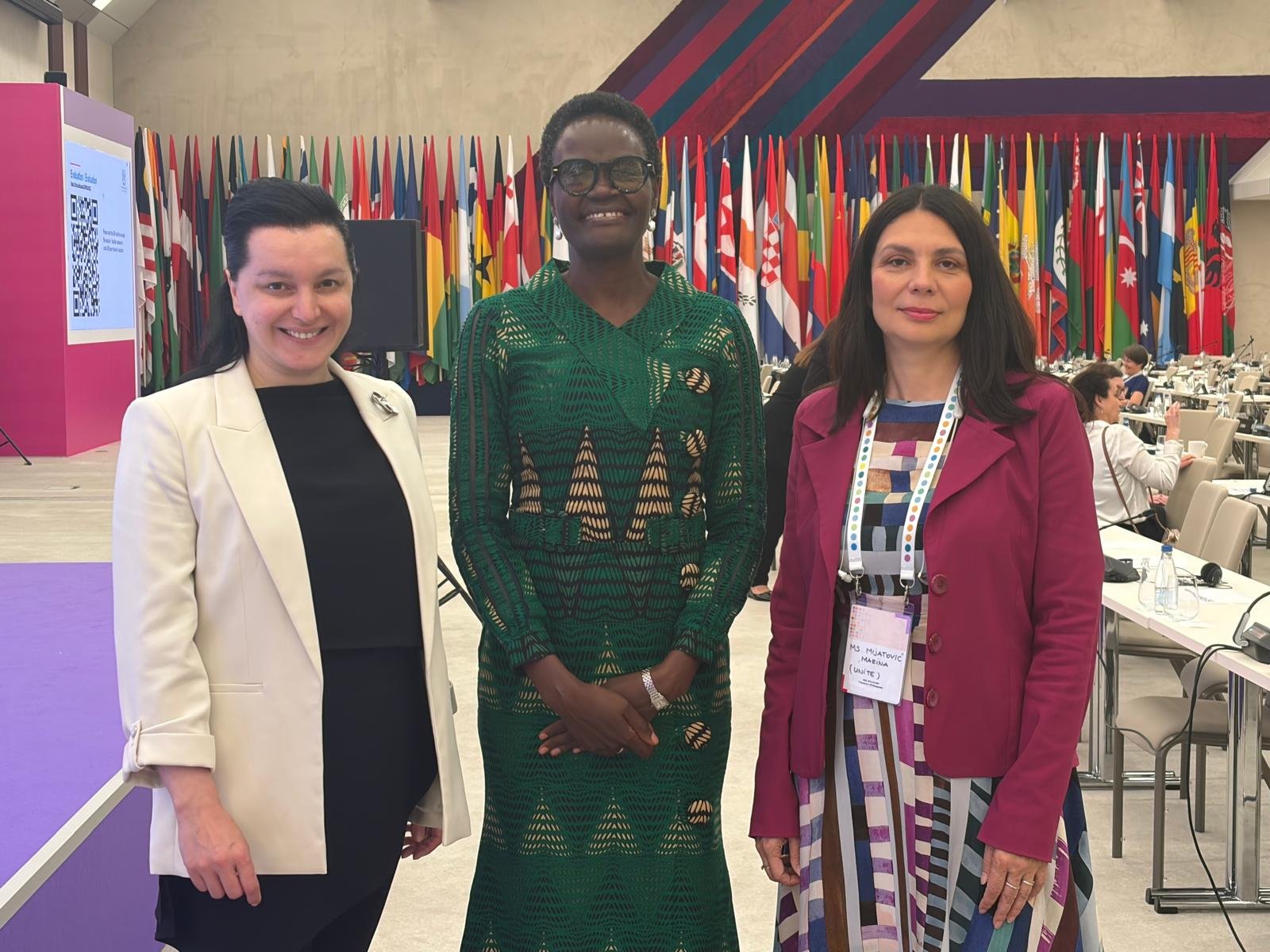
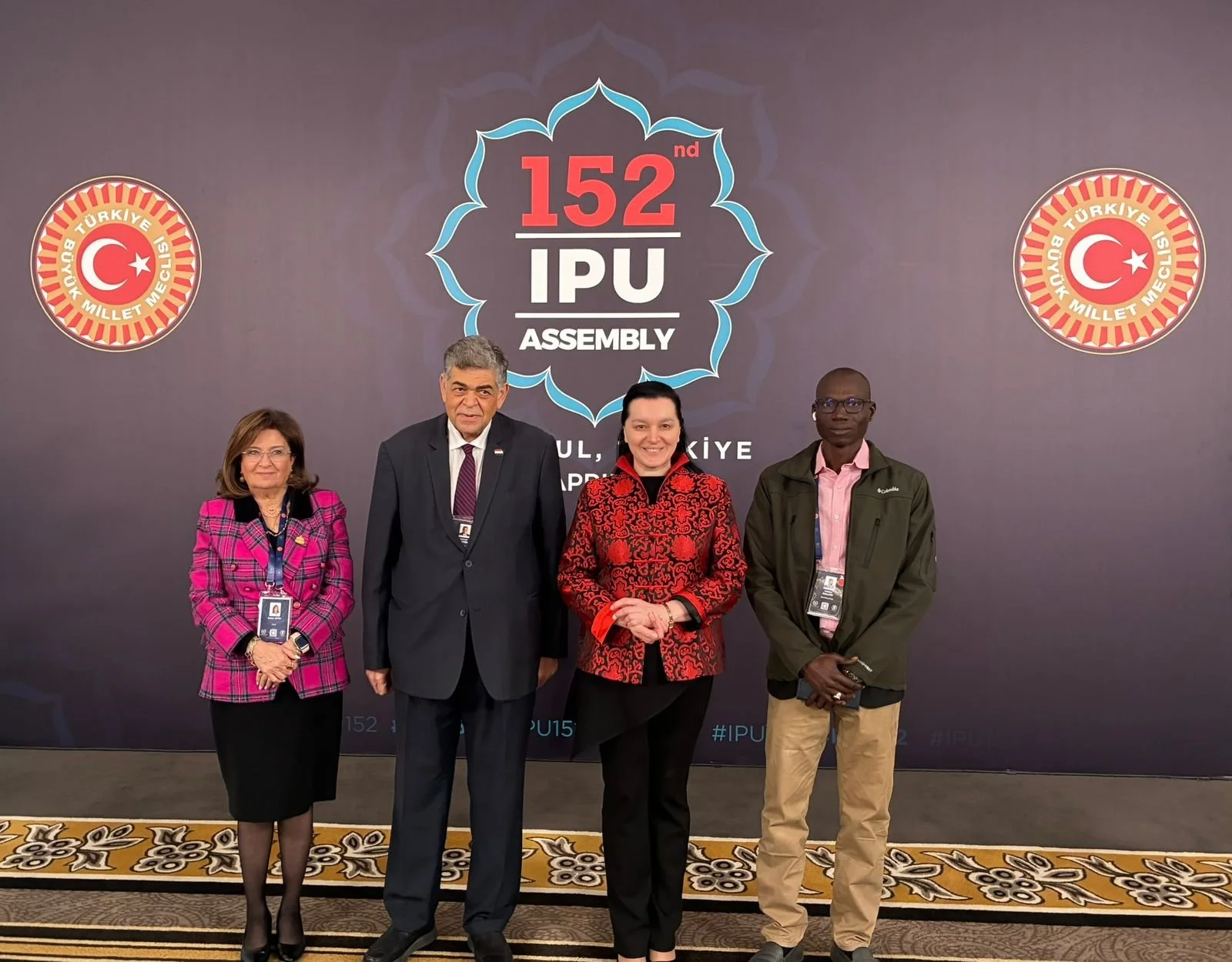
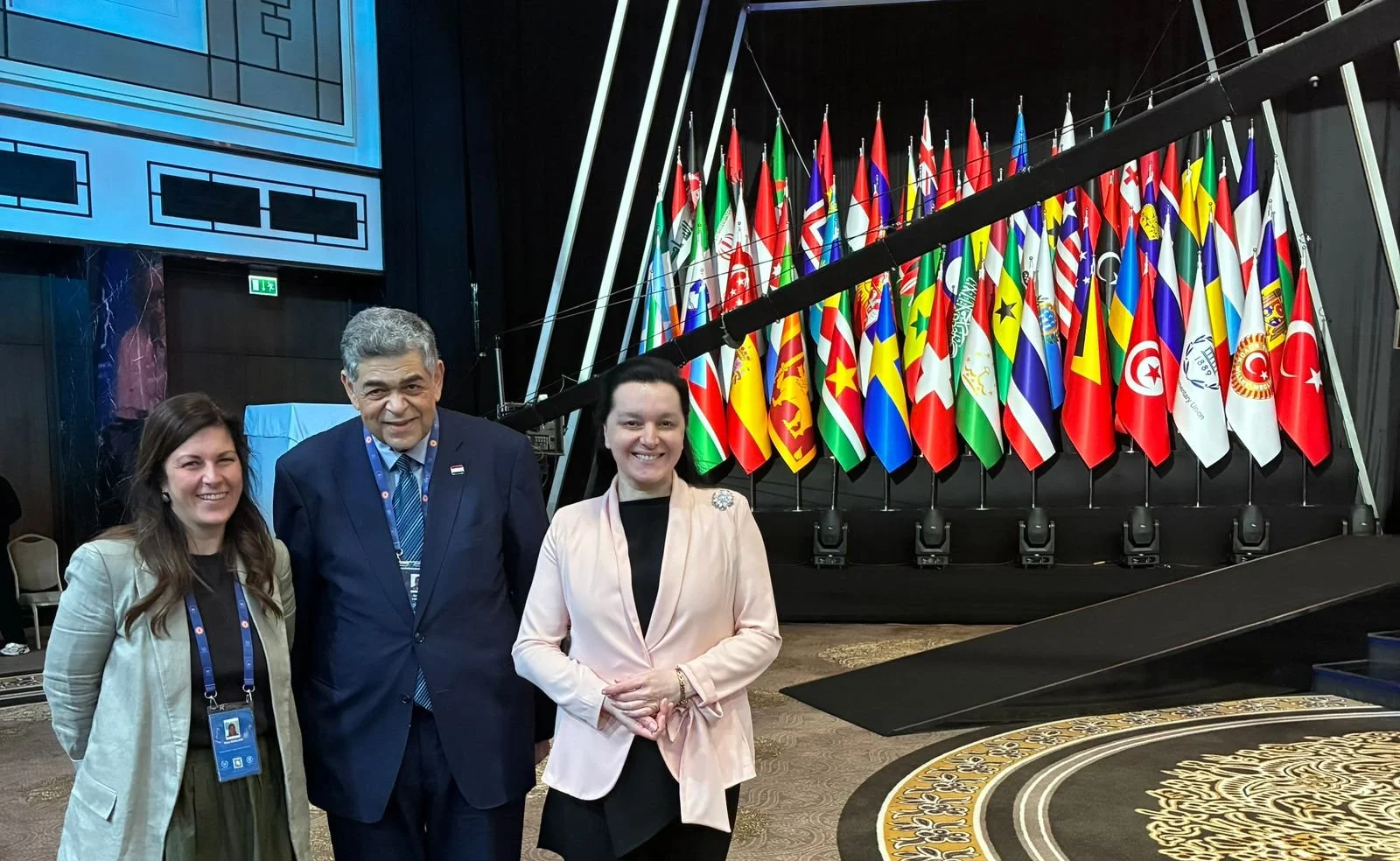
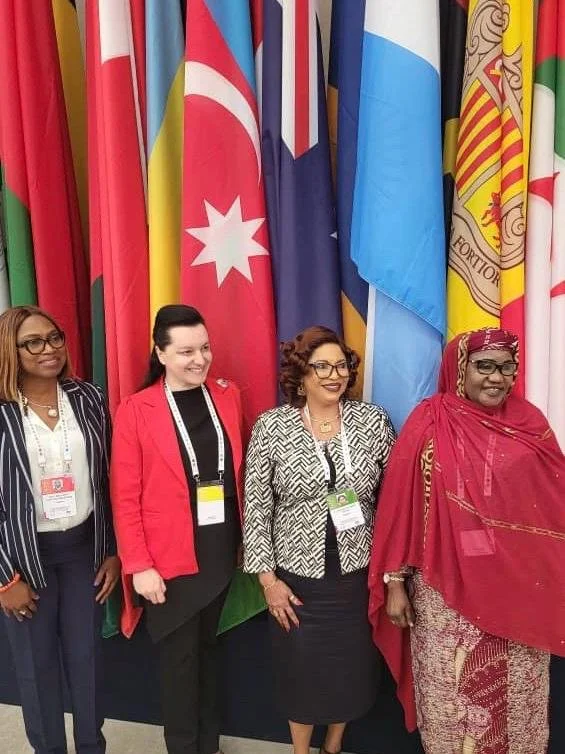
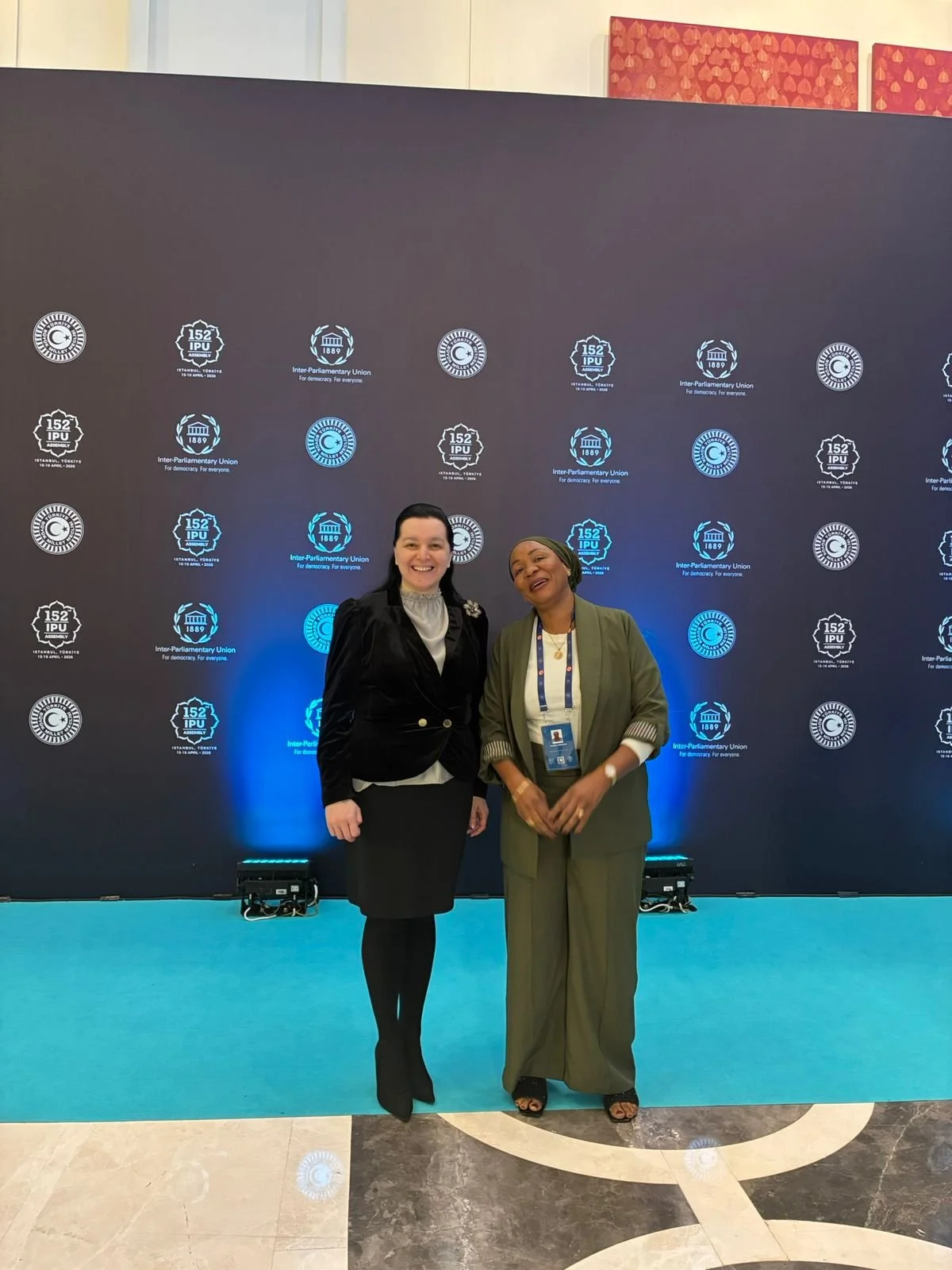
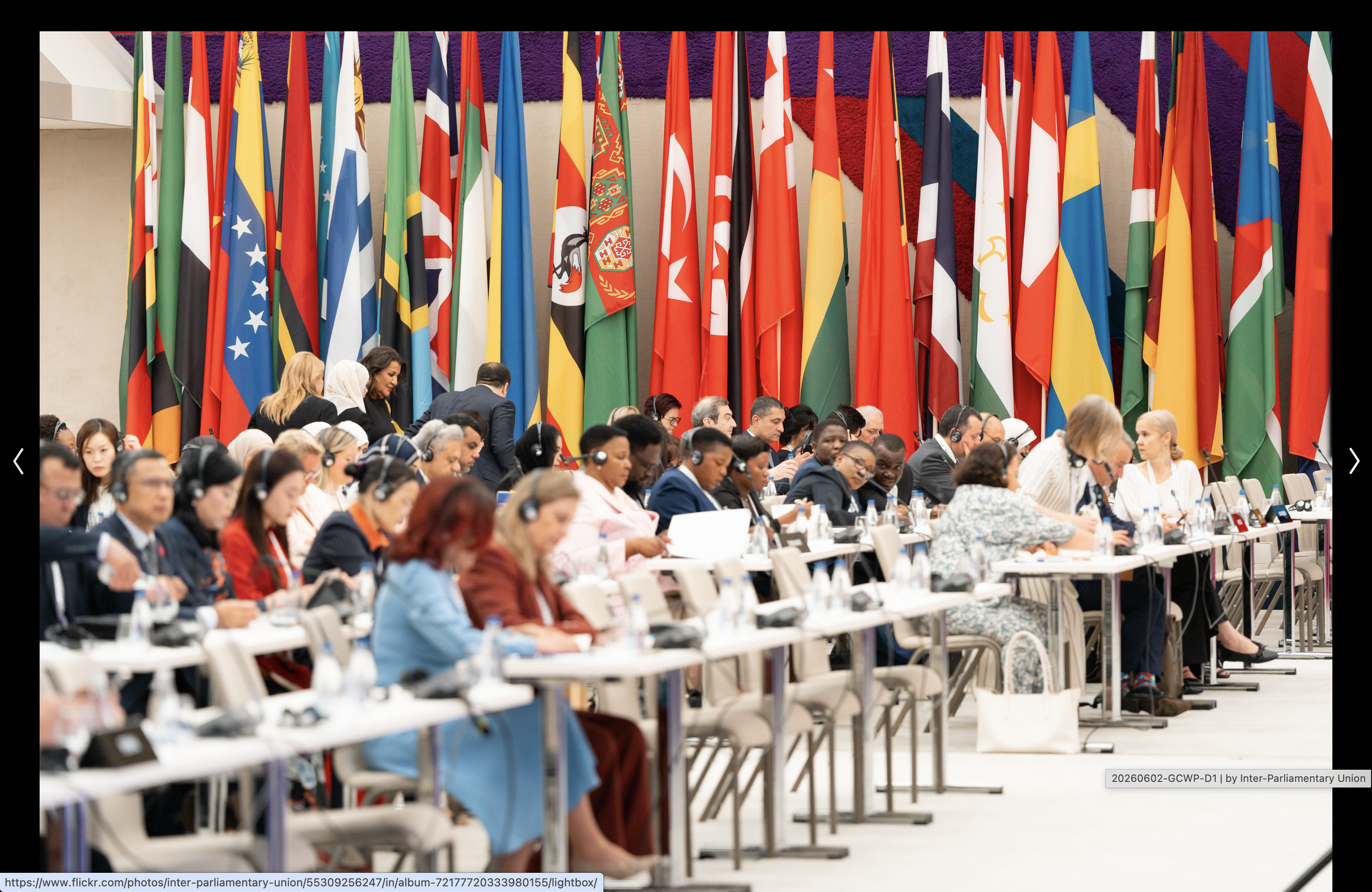
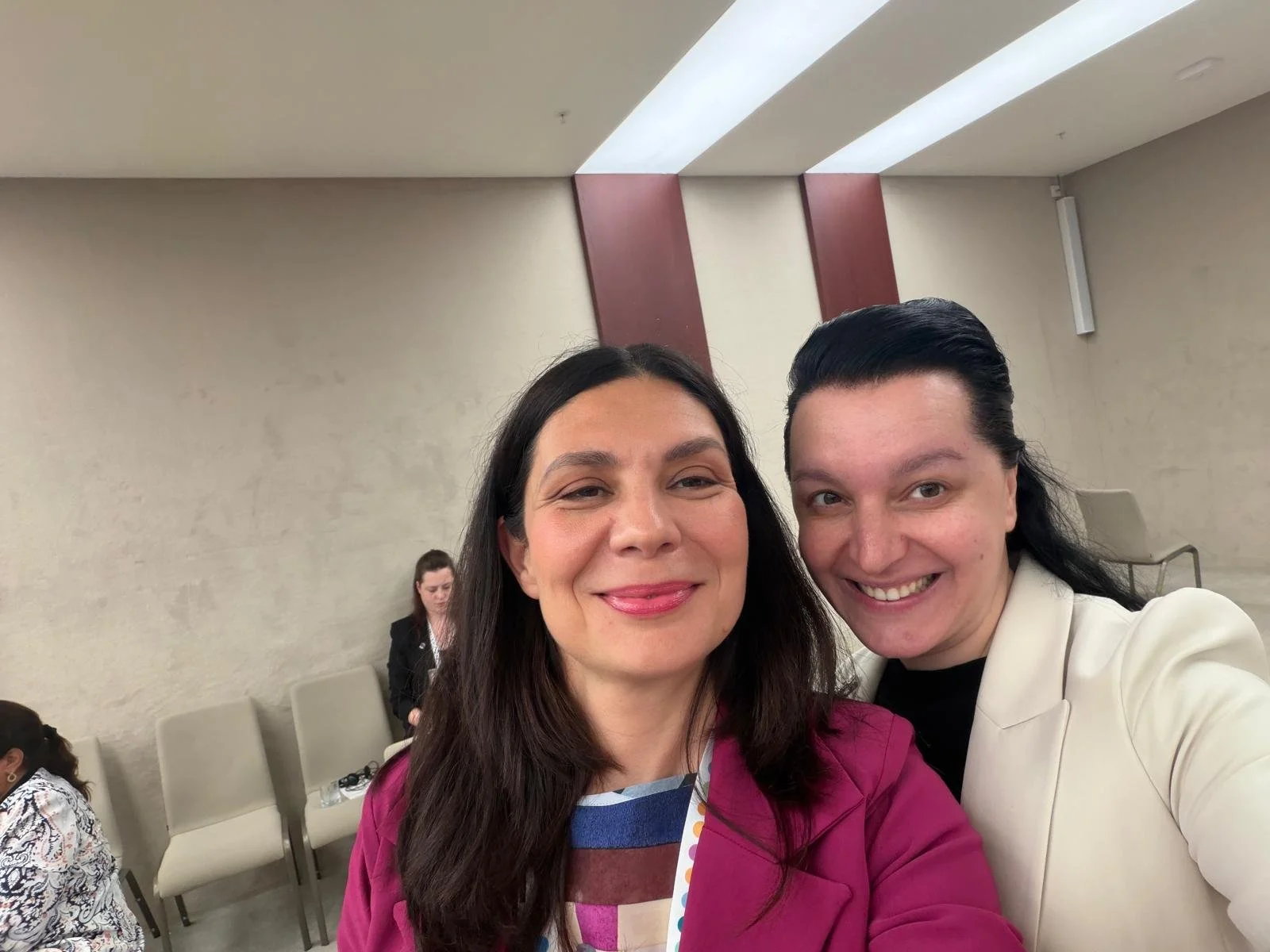
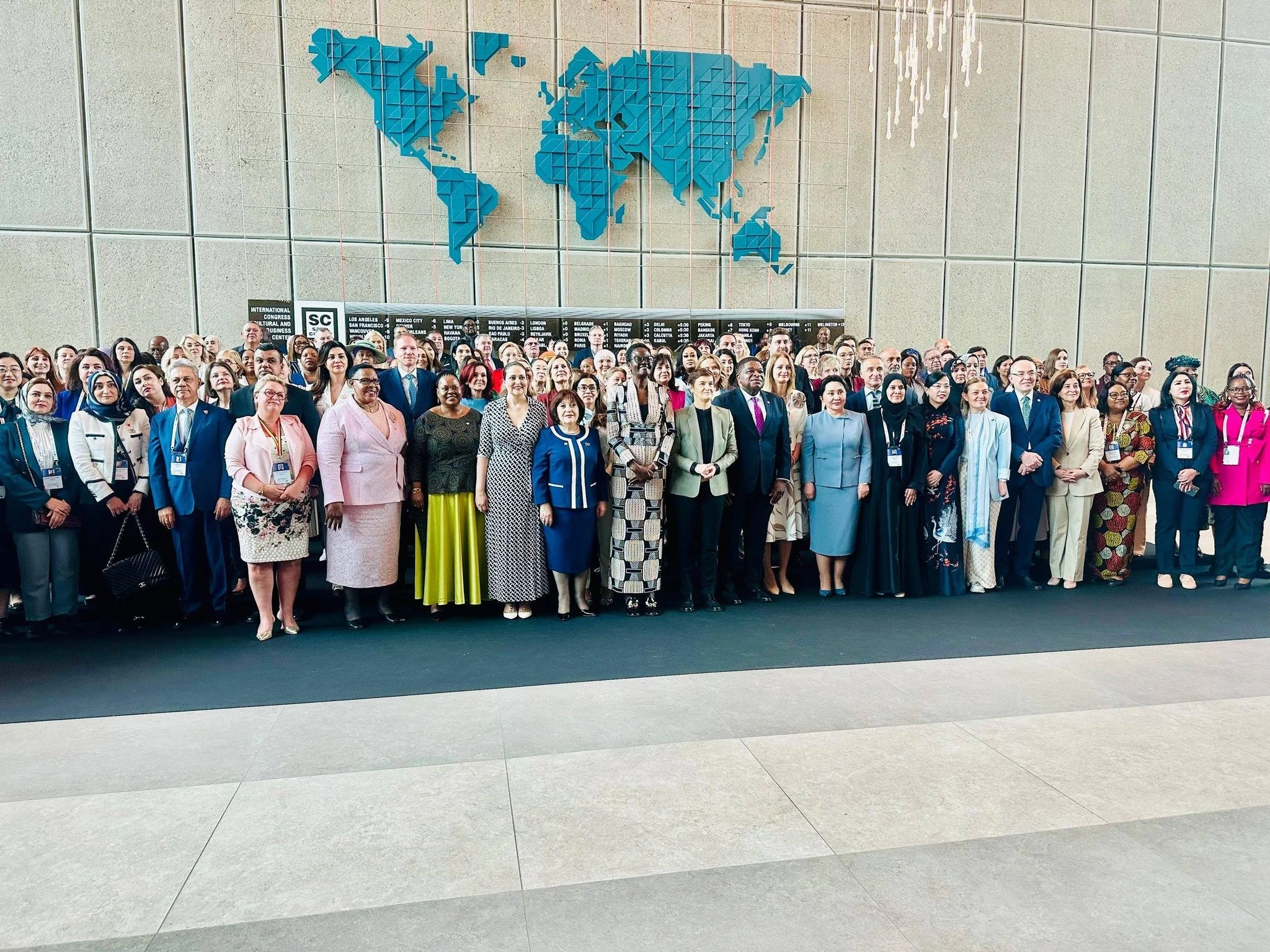
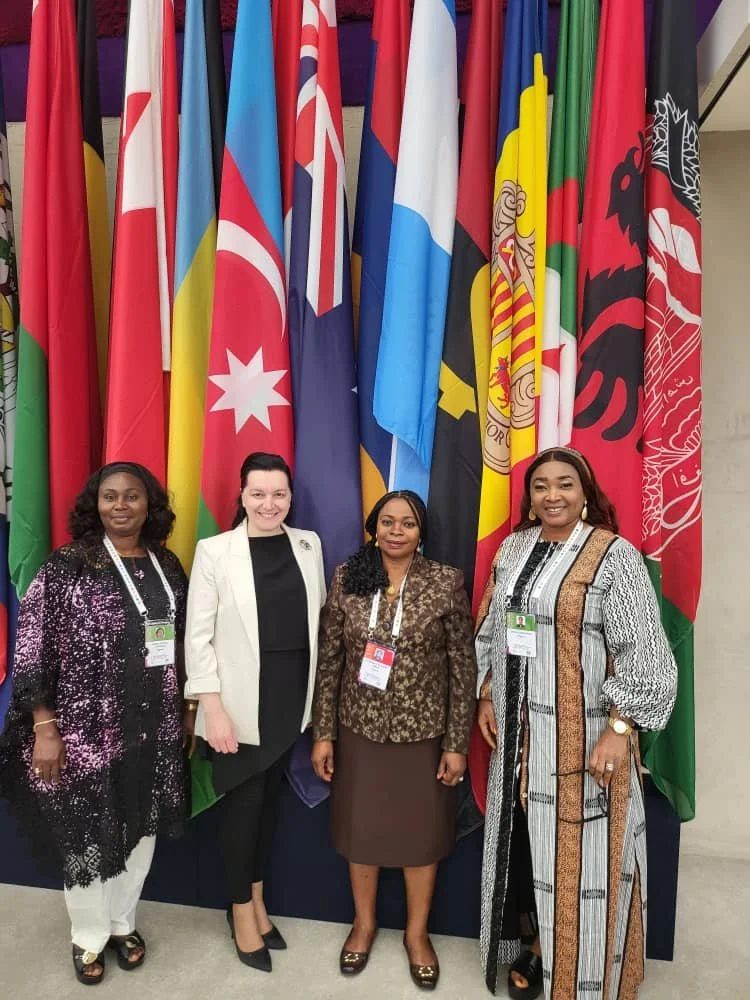
Dr. Mariam Jashi, CEO of the Global Sepsis Alliance and Board Member of the UNITE Parliamentarians Network for Global Health, delivered a strong call to action to legislators from around the world during two major parliamentary gatherings this year: the 152nd Assembly of the Inter-Parliamentary Union (IPU) in Istanbul and the IPU Global Women Parliamentarians Forum in Belgrade.
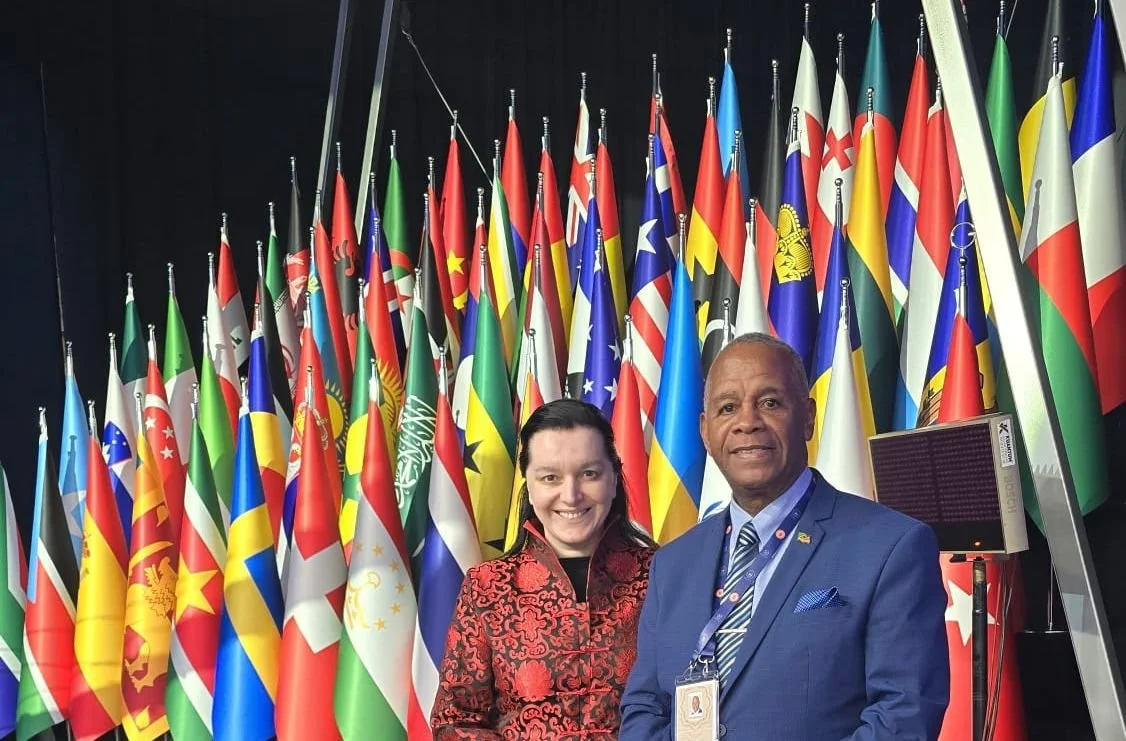
Representing UNITE Parliamentarians Network for Global Health, Dr. Jashi addressed delegates from more than 150 countries, emphasizing the urgent need for stronger political leadership to address global health challenges, protect sustainable health financing, advance women-centered policies, and elevate Sepsis on the global political agenda.
As Chair of the UNITE Delegation to both events, Dr. Jashi highlighted the critical role parliamentarians play in shaping laws, budgets, and policies that directly impact the health and wellbeing of populations worldwide.
Protecting Global Health Through Sustainable Financing
During the General Debate at the IPU Assembly in Istanbul, Dr. Jashi stressed that recent geopolitical tensions, growing fragmentation, and declining multilateral cooperation threaten decades of progress in global health.
“The COVID-19 pandemic reminded us that health challenges know no borders,” she told delegates. “Yet we are witnessing diminishing investments in global health at a time when international cooperation is more important than ever.”
She urged parliamentarians to prioritize health in national budgets and called on lawmakers in high-income countries to advocate for increased Official Development Assistance (ODA) for health, noting that global health financing has fallen to historically low levels despite rising needs.
Dr. Jashi emphasized that sustainable financing is essential not only for strengthening healthcare systems but also for improving preparedness against future health emergencies and pandemics.
Advancing a Women-Centered Agenda in Politics and Health
A central theme of Dr. Jashi’s interventions at both forums was the need to place women at the center of political and health decision-making.
Addressing the Global Women Parliamentarians Forum in Belgrade, she presented compelling evidence demonstrating the positive impact of women’s political participation on democratic governance, social development, and economic growth.
“More women in parliament means stronger democracies and more sustainable development,” she stated. “Yet women continue to hold only 27 percent of parliamentary seats globally.”
Dr. Jashi also highlighted persistent inequalities affecting women’s access to healthcare and opportunities:
Sixty-six percent of the world’s poorest women continue to face financial barriers to accessing healthcare.
One in five women with no formal education still requires permission to seek medical care.
More than 700 million women worldwide have experienced violence during their lifetime.
Declining global health investments risk further widening existing inequalities.
She called on legislators to use their political influence to dismantle these barriers and ensure that women’s health and wellbeing become a priority in national and international policymaking.
Bringing Sepsis to the Political Agenda
A key focus of Dr. Jashi’s addresses was the urgent need to recognize Sepsis as a major global health challenge.
Despite causing one in every five deaths worldwide, Sepsis remains largely absent from political discussions and public policy debates.
Dr. Jashi noted that every year, approximately 26 million women are affected by Sepsis, while globally the condition claims the lives of 11 million people annually, including women, men, and children.
“Sepsis is a global health emergency that continues to be overlooked,” she said. “We must bring this issue into our political forums and adopt policies that improve prevention, early diagnosis, and treatment.”
She highlighted examples of countries that have successfully advanced Sepsis policies and awareness, including Australia, the United Kingdom, Ireland, and Qatar, encouraging parliamentarians to learn from these experiences and adapt best practices within their own healthcare systems.
Learning from Global Success Stories
Dr. Jashi underscored the importance of international collaboration and knowledge sharing among legislators.
She pointed to successful health reforms in countries such as Egypt, particularly in scaling up Universal Health Coverage and advancing Hepatitis C elimination efforts. She also recognized the contributions of Professor Ashraf Hatem, former Minister of Health of Egypt, for his leadership in driving these transformative changes.
Through UNITE, parliamentarians can exchange experiences and gain access to evidence-based policy solutions on issues ranging from infectious diseases and Sepsis to health financing, pandemic preparedness, and emerging challenges such as artificial intelligence regulation in healthcare.
Dr. Jashi also highlighted UNITE’s ongoing support for the ratification and implementation of the Pandemic Agreement and other initiatives designed to strengthen global health security.
A Call for Political Courage
Throughout both engagements, Dr. Jashi emphasized that parliamentarians have a unique responsibility to improve public health through legislation, oversight, and budgetary decisions.
“We may not be doctors or public health experts,” she noted, “but as parliamentarians, we hold a unique power. We can save lives in times of peace – and especially in times of crisis – by adopting the right laws and budgets.”
She concluded by calling for greater political courage to invest in women’s health, strengthen healthcare systems, and ensure that global health remains a priority despite economic and geopolitical challenges.
Invitation to Join the Global Movement for Better Health
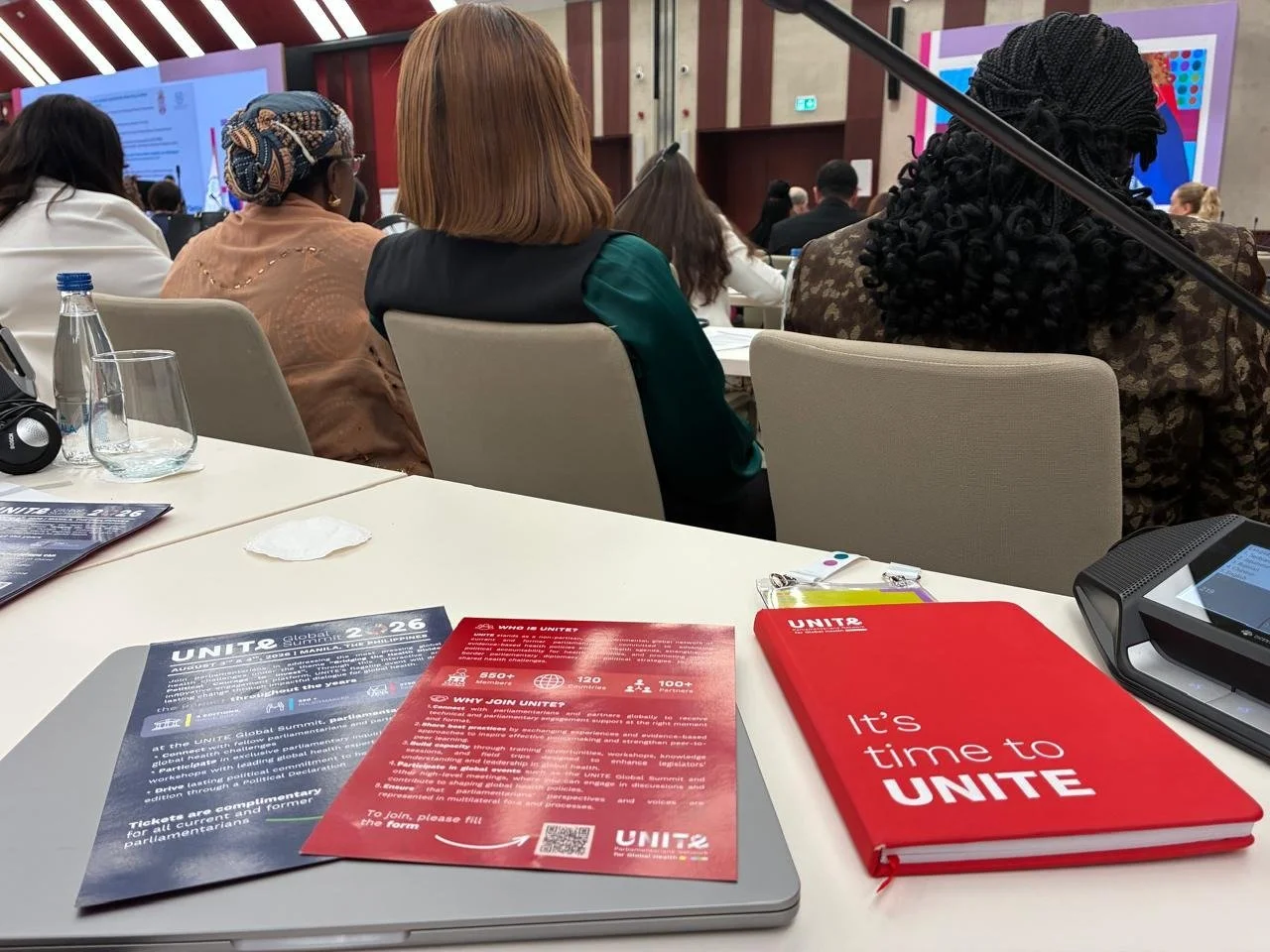
Dr. Jashi invited parliamentarians interested in advancing evidence-based health policies to join the UNITE Parliamentarians Network for Global Health, which currently brings together more than 550 legislators from 120 countries.
She also encouraged lawmakers from health and non-health committees alike to participate in the upcoming UNITE Global Summit, taking place in Manila, Philippines, on August 3–4, 2026, where parliamentarians will collaborate on solutions to some of the world's most pressing health challenges.
As global health systems face mounting pressures, Dr. Jashi’s message was clear: stronger political leadership, greater investment, and a firm commitment to women-centered health policies are essential to building healthier, more resilient societies for future generations.