Mariam Jashi Addresses United Nations to Prioritize Sepsis in Pandemic Preparedness
New York, September 2026 — Dr. Mariam Jashi addressed the 81st Session of the United Nations General Assembly (UNGA81) High-Level Meeting on Pandemic Prevention, Preparedness and Response, calling on governments and global health leaders to make Sepsis an integral part of pandemic preparedness and response frameworks.
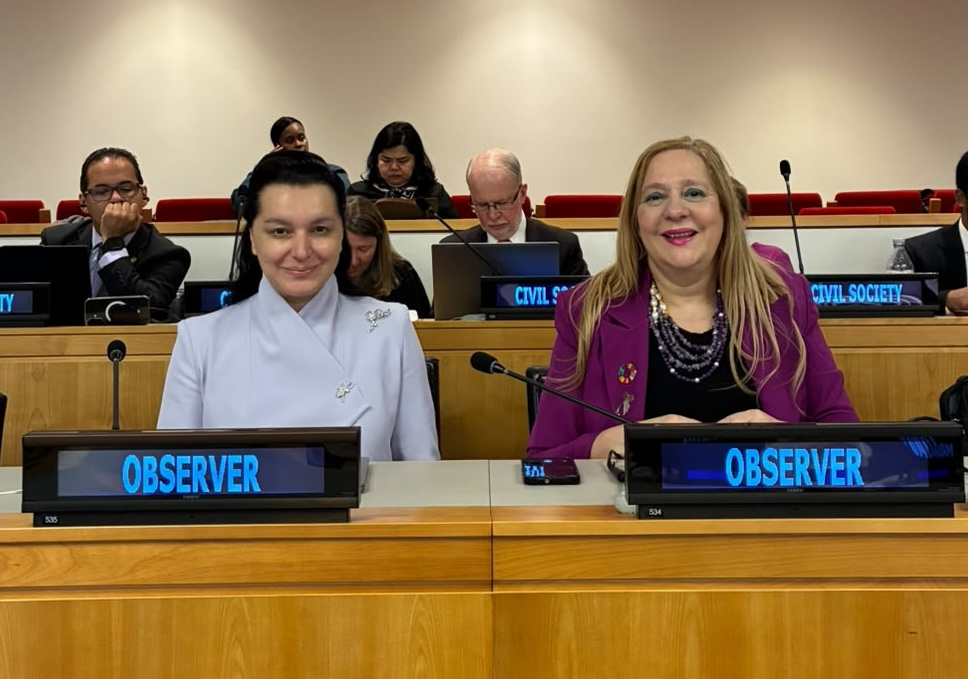
Speaking on behalf of the Medical Women’s International Association (MWIA) and the Global Sepsis Alliance (GSA), Dr. Jashi welcomed the adoption of the WHO Pandemic Agreement and the establishment of the Pandemic Fund as important steps toward strengthening global capacity to prevent and respond to future health emergencies.
Drawing on the lessons of the COVID-19 pandemic, she emphasized a central message:
“Sepsis should be an integral part of pandemic prevention, preparedness, and response.”
Why Sepsis Must Be Prioritized
Sepsis is one of the most serious consequences of infectious disease and represents a critical link between outbreaks, health emergencies, and preventable deaths and disabilities.
Dr. Jashi highlighted the scale and urgency of
In 2021 alone, more than 21 million children, women, and men died from Sepsis globally
An estimated 78% of COVID-19 patients admitted to intensive care experienced viral sepsis
Irrespective of the pathogen responsible for the next pandemic, major infectious disease outbreaks can increase the risk of Sepsis as a final common pathway to death and disability
Despite this enormous human, medical, and societal burden, Sepsis remains insufficiently visible within the global health architecture for pandemic prevention, preparedness, and response.
A Call for Action
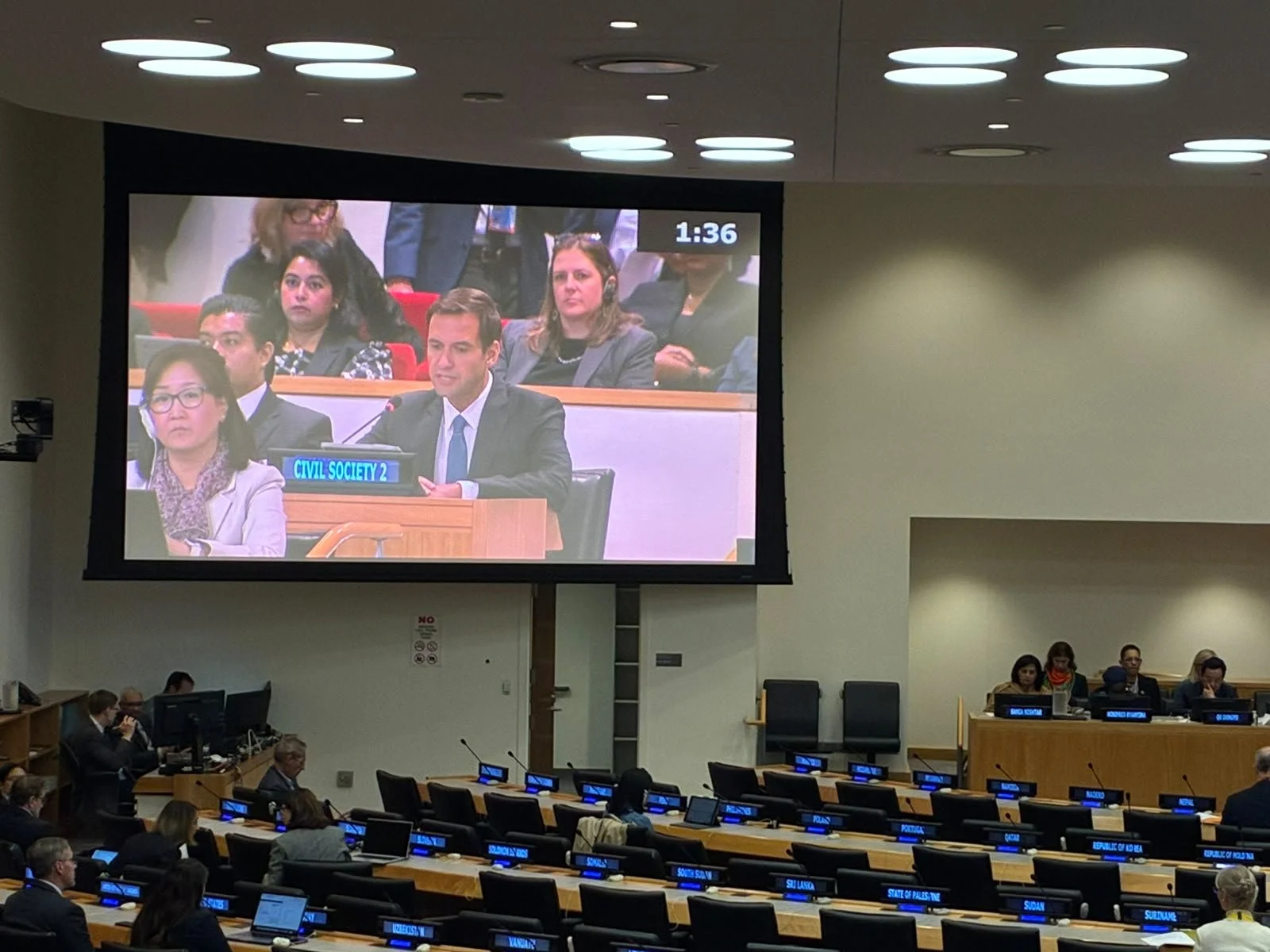
Dr. Jashi called on the United Nations, Member States, and global health stakeholders to explicitly prioritize Sepsis within pandemic prevention, preparedness, and response strategies and related political declarations.
This requires strengthening risk communication, surveillance, health workforce capacity, and health systems for the prevention, early detection, and effective treatment of sepsis.
It also requires greater investment in research and innovation, including the development and equitable availability of new vaccines, antimicrobial therapies, rapid and effective diagnostics, and pathogen-agnostic immunomodulatory approaches.
There can be no effective global framework for pandemic prevention, preparedness, and response without addressing sepsis.