Sepsis Forum 2025 – Bench, Bedside, Beyond – Join Virtually on October 23, 2025

We are thrilled to announce that our President, Prof. Niranjan ‘Tex’ Kissoon, is moderating a session on engaging communities in sepsis prevention and policy at this year’s Sepsis Forum 2025.

Sepsis Forum is a unique and innovative meeting bringing together academics, industry, patients, and families with lived experience and funders to share information and insights to advance sepsis awareness and understanding and improve outcomes.
— Prof. Niranjan 'Tex' Kissoon, President, Global Sepsis Alliance

The Sepsis Forum is a collaborative event that brings together researchers, healthcare providers, and survivors to drive innovation and equity in sepsis care.

Co-hosted by the Pacific Northwest Sepsis Conference, the University of British Columbia’s Action on Sepsis Research Cluster, and partners, the Forum fosters cross-disciplinary conversations and shared learning across science, clinical care, and lived experience. This year’s forum will take place virtually on October 23, 2025, from 8:00 to 14:15 Pacific Time.

This year’s event explores timely topics, including artificial intelligence in early detection, personalized approaches to sepsis guidelines, improved coding and classification systems, multidisciplinary post-sepsis care, and community-driven advocacy. By creating an inclusive space for discussion and collaboration, Sepsis Forum aims to advance education, policy, and outcomes for all those impacted by sepsis.

Program & Registration
See the Time in Your Time Zone
Marvin Zick
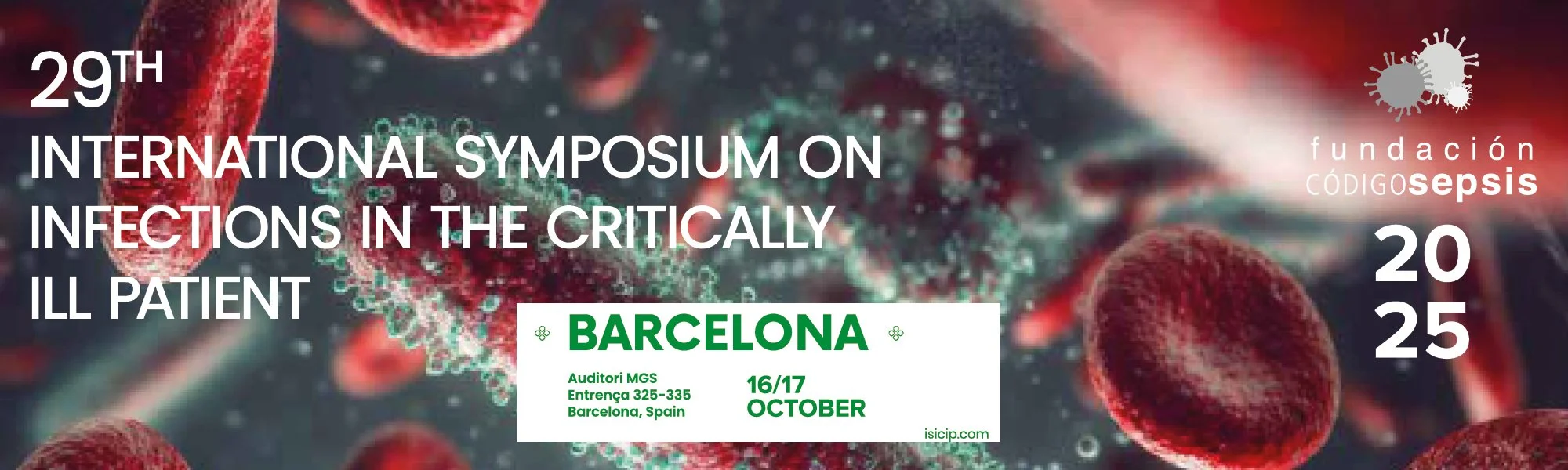
29th International Symposium on Infections in the Critically-Ill Patient – Barcelona – October 16-17, 2025

On October 16–17, 2025, our colleagues from the Código Sepsis Foundation will host the 29th International Symposium on Infections in the Critically Ill Patients (ISICIP 2025) in Barcelona and virtually.

The Global Sepsis Alliance is delighted to endorse this congress and encourages you to participate.

Registration is now open (both online and in person), and the preliminary program is available on the event website.

More Info & Registration
Download Program (PDF)
Marvin Zick
Upcoming Webinar: Management of Adult Sepsis in Resource-Limited Settings

The Asia Pacific Sepsis Alliance (APSA), in collaboration with the Global Sepsis Alliance, invites you to a 90-minute global webinar on the Delphi Study on Clinical Guidance for Sepsis Management in Resource-Limited Settings, taking place on 30 September 2025 at 18:00 AEST (Sydney time).

This webinar is part of the educational series on the Delphi study and builds on the recently published Global Expert Consensus on Sepsis Management in Resource-Limited Settings.

The session will feature presentations by Sheila Myatra, Prashant Nasa, Brett Abbenbroek, and Louise Thwaites, followed by a panel discussion and Q&A moderated by Louise Thwaites. Participants will gain insights into the study background, findings, and new practice statements on managing sepsis in resource-limited settings.

This webinar is kindly supported by a medical education grant from bioMérieux.

Join the Livestream on YouTube
Download Full Program (PDF)
See the Time in Your Time Zone
Katja Couball
Now Live from New York: UNGA80 Side Event on Sepsis and NCDs

We are now live from New York with “Sepsis and NCDs  – A Hidden Link in Global Health”, our parallel Side Event to the 80th Session of the United Nations General Assembly (UNGA80). Join high-level policymakers, global health leaders, sepsis advocates, and scholars live on YouTube.

Join the Free Livestream on YouTube Now
Download Program (PDF)

Please use the chat function on YouTube to ask questions and interact with us. The event recording will be available immediately after the livestream has concluded.


Why Sepsis and NCDs?

Sepsis is among the leading causes of mortality, disability, and healthcare expenditures worldwide, responsible for approximately 20% of all annual deaths. According to the latest estimates from the Institute of Health Metrics and Evaluation (IHME) and the University of Oxford, in 2021, Sepsis, as an immediate or intermediate cause, was related to 21 million deaths, including 4 million deaths associated with or attributable to AMR. A reinvigorated Sepsis response is essential to accelerate progress towards health-related SDG 3 and 8, other Sustainable Development Goals.

15.8 million Sepsis cases, and 5.1 million Sepsis-related deaths annually arise from infections as complications/exacerbation of NCDs or injuries. Though the intersection of Sepsis with non-communicable diseases is often overlooked in global health dialogues. People living with NCDs – such as diabetes, cancer, cardiovascular disease, and chronic respiratory illnesses – are significantly more vulnerable to infections and, consequently, to Sepsis. At the same time, Sepsis Survivors often experience long-term sequelae, including the development or exacerbation of NCDs.

This bi-directional relationship underscores the need to integrate Sepsis prevention, early detection, and management into NCD strategies and broader UHC and health system strengthening efforts.


Objectives of the Side Event

This side event will spotlight the overlooked Sepsis–NCD link and mobilize coordinated, cross-sectoral action by: 

  1. Reaffirming the urgency of political leadership for scaling up the 2030 Global Agenda for Sepsis to prevent 12 million new cases of Sepsis and avert 2 million avoidable deaths.

  2. Emphasizing the critical need for reinvigorated Sepsis responses at global, regional, and national levels to achieve health-related SDGs – including aspirations for UHC and NCDs.

  3. Raising awareness of the clinical and policy links between Sepsis and NCDs within the context of Universal Health Coverage and SDG 3.

  4. Promoting the recognition of the NCD-Sepsis nexus and the need for integration of Sepsis prevention and management in national NCD strategies and UHC packages.

  5. Discussing strategies to catalyze political leadership, funding, and partnerships for the 2030 Global Agenda for Sepsis, including scalable models that link Sepsis and NCD care,  especially in LMICs.


Target Audiences

  • UN Member States and permanent missions

  • WHO and other UN agencies

  • Civil society organizations, patient groups, and health advocates

  • Researchers and academics

  • Development partners and philanthropic organizations

Marvin Zick
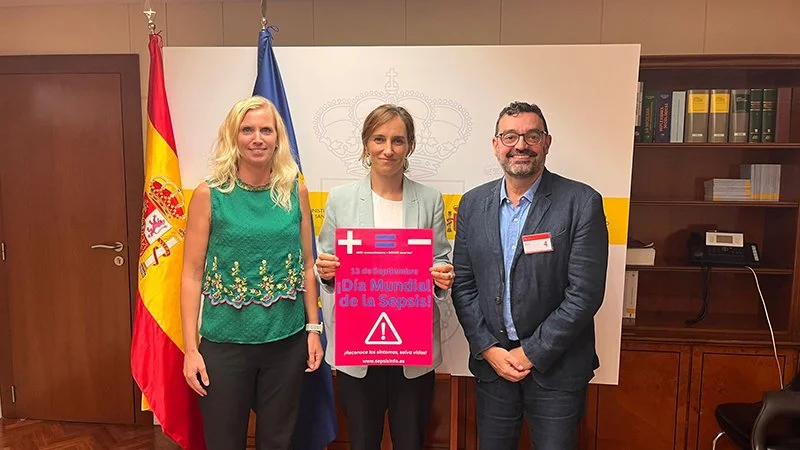
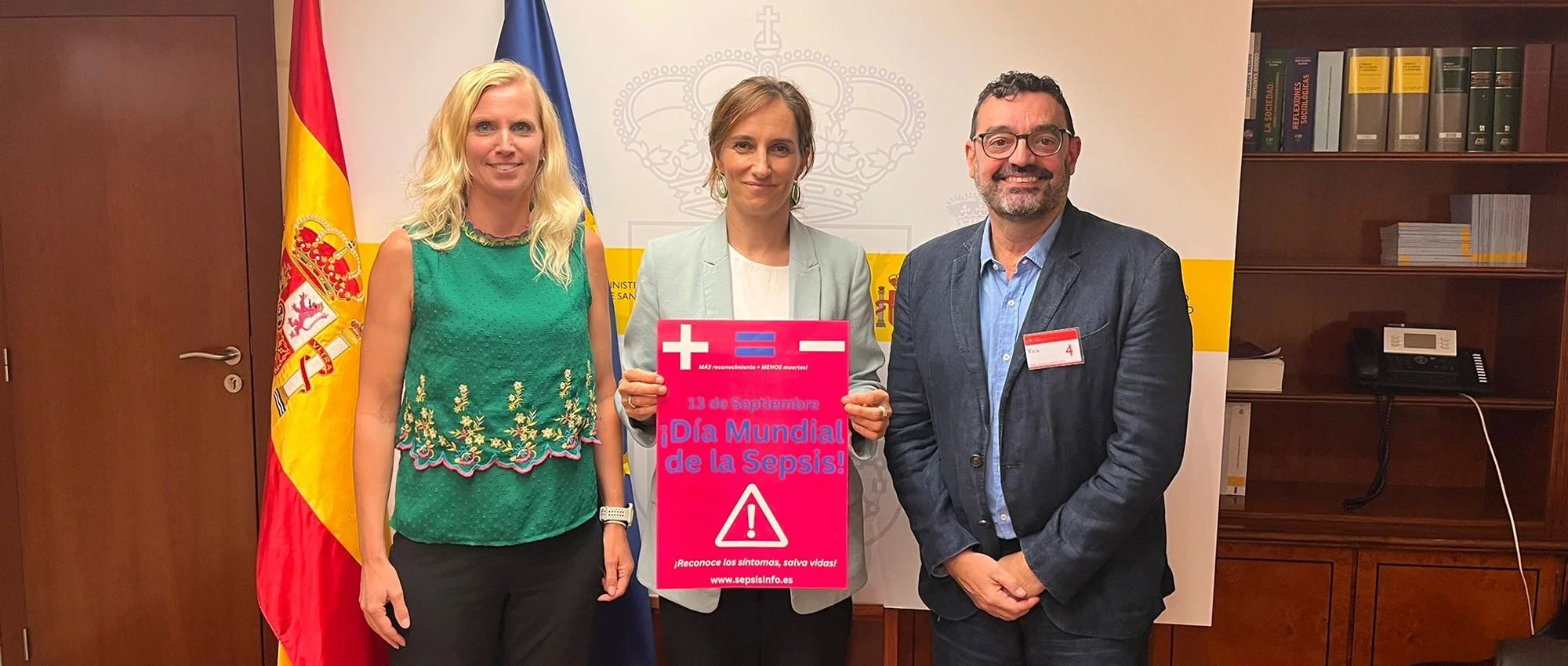
Spanish Minister Mónica García Favourable to the Development of a National Plan

On 10 September, Prof. Marcio Borges, Head of the Multidisciplinary Sepsis Unit at Son Llatzer University Hospital in Palma de Mallorca and President of the Código Sepsis Foundation, and Marianne Haverkamp, Chair of the ESA Patient and Family Support WG and of the GSA Global Sepsis Survivor and Families Committee, met with Mónica García, Minister of Health of Spain, to discuss the set-up and development of a National Plan for Sepsis. Also present from the Ministry were María Rosario Fernández, Deputy Director General for Healthcare Quality, and José Manuel López Rodrigo, Chief of Staff of the Ministry of Health.

The aim of the meeting was to strengthen the collaboration with the Ministry on educational and healthcare initiatives while raising awareness about sepsis, a severe clinical syndrome that, despite its impact, remains largely unknown to the public.

Sepsis in Spain

Sepsis affects between 75,000 and 138,000 people in Spain annually and causes around 17,000 deaths —more than breast, colon, and prostate cancer combined. However, awareness of sepsis in Spain remains low.

A recent survey by Sepsisinfo.es and the Código Sepsis Foundation revealed that 52% of Spaniards do not know what sepsis is, 65% underestimate the number of deaths it causes annually, and one in four respondents do not recognize its symptoms, such as fever, confusion, or rapid breathing.

Strategic Proposal for a National Plan

During the meeting, the Código Sepsis Foundation and SepsisInfo.es proposed the creation of a National Plan for Sepsis to the Ministry of Health. The Foundation already has a strategy drafted and approved in 2016, which covers diagnosis, monitoring, and treatments, and will serve as the foundation for the new national plan. This initiative seeks to address the problem in a multidisciplinary and comprehensive way.

The proposal, structured into six strategic areas, includes prevention and awareness, healthcare provision, educational measures, as well as rehabilitation and follow-up for survivors. Marianne Haverkamp emphasized the need of the active participation of patients and families in such plan.

Since 2012, several scientific societies and experts have developed different actions and documents for comprehensive and multidisciplinary sepsis care, making Spain one of the first countries in the world to do so. Since 2015, Sepsis Code Programs have been implemented in over 65% of Spanish hospitals across all regions, some with their own specific strategic approaches.

These programs rely on multidisciplinary teams, including more complex multidisciplinary sepsis units—currently more than 25 nationwide. Evidence from literature and practice shows that these programs reduce sepsis-related mortality, shorten hospital stays, and lower associated costs, estimated at €17,000–€25,000 per episode.

Post-sepsis syndrome (PSS), affecting 40% of survivors with long-term consequences, was a key element of the proposal, as most patients currently receive no structured follow-up or support. The proposal also highlighted the high economic burden of sepsis for the healthcare system, estimated at €10,000–€18,000 per hospital episode.

Conclusion and Next Steps

The Minister and her senior team welcomed the proposal very positively, stressing its importance and the need for a national plan to address sepsis. They agreed on further follow-up meetings to continue working on the implementation of the proposed measures and to better understand the current situation, including actions already underway and the activity of sepsis groups and units.

Collaboration between the Ministry, regional governments, scientific societies, patient associations, and civil society will be essential to strengthen and generate new actions to improve sepsis care, thereby continuing to reduce mortality and healthcare resource use in tackling this complex clinical syndrome.

About the Código Sepsis Foundation

The Código Sepsis Foundation promotes a collaborative framework for healthcare professionals engaged in social and healthcare interventions for sepsis. Its objectives include creating a continuous educational system to enhance knowledge among professionals, raising social and economic awareness of the problem, and facilitating a shared multidisciplinary analysis of the significance and impact of sepsis. The Sepsis Code, which covers everything from diagnosis to supportive treatment, is based on a healthcare, educational, and research approach.

About SepsisInfo.es

SepsisInfo.es is an outreach platform offering accurate and accessible information on sepsis, its symptoms, prevention, treatment, and recovery, aimed at the general public, patients and families, as well as healthcare professionals.
 
Código Sepsis Foundation
SepsisInfo.es
Katja Couball
WHO Regional Director for Europe, Dr Hans Kluge supports ESA's calls for a European Sepsis Plan

At the occasion of the event United Against Sepsis, organised in Brussels on 9 September by the European sepsis patient organisation consortium Sepsis Stronger Together, the Belgian patient organisation Sepsibel, and the European Society for Intensive Care Medicine (ESICM), Dr. Hans Kluge, Regional Director of WHO Europe delivered a strong message calling European member states to act against sepsis and welcoming the efforts of the European Sepsis Alliance. Referring to the ESA Call to Action delivered at the European Parliament last March, Dr. Kluge calls for:

A European Sepsis Plan

The inclusion of sepsis in the European preparedness and medical countermeasure strategies

Dr. Kluge also exhorts European governments to put in place national sepsis strategies and close the gap between planning and action.

The Global Sepsis Alliance is grateful for the continued support of Dr Kluge and of WHO Europe, and we look forward to joining effort and working together towards national and European sepsis plans.

We invite our member organisations and partners to share this powerful message widely.

Simone Mancini
Now Live From Geneva: Our 2025 World Sepsis Day Event

We are now live from Geneva with '5 Facts x 5 Actions on Sepsis', featuring leaders from global health institutions discussing strategies to integrate sepsis into international health policy, researchers disclosing the latest updates, and sepsis survivors and those who lost loved ones sharing their stories.

Join the Free Livestream on YouTube Now

Please use the chat function on YouTube to ask questions and interact with us. The event recording will be available immediately after the livestream has concluded.


Download Program (PDF)

Co-organizers:

  • Global Sepsis Alliance

  • Virchow Foundation

  • Health Diplomacy Alliance

  • UNITE Parliamentarians Network for Global Health

  • European Sepsis Alliance

  • Sepsis Stiftung

  • Swiss Sepsis Program


About the 2025 World Sepsis Day

Sepsis remains one of the leading causes of death, disability, and healthcare costs worldwide. Affecting 48.9 million people annually and responsible for nearly 1 in 5 global deaths, Sepsis is a largely invisible global health emergency. It disproportionately affects vulnerable populations, including 20 million children, 26 million women, older adults, and immunocompromised individuals.

According to the latest estimates from the Institute of Health Metrics and Evaluation (IHME) and the University of Oxford, in 2021 alone, Sepsis was linked to 21 million deaths (as an immediate and intermediate cause), including 4 million deaths associated with or attributable to antimicrobial resistance (AMR).

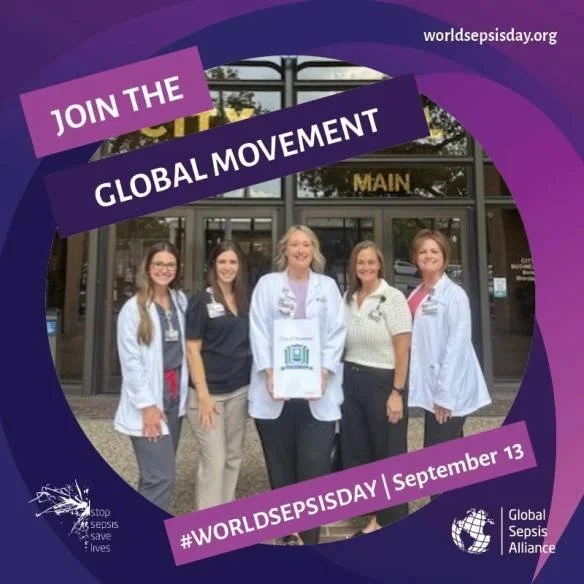
Since 2012, over 54,000 stakeholders from 170 countries -  including policy makers, national health authorities, healthcare providers, researchers, innovators, advocates, Sepsis survivors, families affected by this devastating medical emergency, and medical students – mark the World Sepsis Day (WSD) on September 13.

World Sepsis Day was initiated by the Global Sepsis Alliance (GSA) – the largest professional and advocacy network in the fight against Sepsis. WSD campaign events are held by GSA members and partners across Africa, Asia-Pacific, Europe, Eastern Mediterranean, Latin America and the Caribbean, and North America. These campaigns include scientific conferences, training sessions, media outreach, and the launch of national, regional, or global initiatives on Sepsis literacy or advocacy.

World Sepsis Day campaigns were convened under the Patronage of Dr. Tedros Adhanom Ghebreyesus, WHO Director-General, and the Federal Health Minister of Germany in 2023 and 2024.

2024 World Sepsis Day was marked by the historic launch of the 2030 Global Agenda for Sepsis at the German Parliament, the first multi-year strategy to prevent 12 million new Sepsis cases and save 2 million lives over the next 5 years.

The 2025 World Sepsis Day aims to further this momentum by emphasizing public awareness, political leadership, and strategic investments under the theme “5 Facts x 5 Actions” — to catalyze multisectoral engagement and prioritize Sepsis in global health planning.


Objectives of the Event

The meeting aims to bring together multiple stakeholders engaged in the fight against Sepsis – pubic, private, civil society, and academic actors - to:

  • Reaffirm the urgency of political commitment to the 2030 Global Agenda for Sepsis to prevent 12 million new cases from Sepsis and avert 2 million avoidable deaths.

  • Emphasize the critical need for reinvigorated Sepsis responses at global, regional, and national levels to achieve health-related Sustainable Development Goals, including Universal Health Coverage aspirations.

  • Raise awareness of the 2025 World Sepsis Day Theme “5 Facts x 5 Actions” highlighting key data and actionable steps for stronger positioning Sepsis on the Global Health Agenda.  

  • Discuss strategies for catalyzing partnerships and funding streams (both traditional and innovative) to accelerate Sepsis science, research, and innovations.


Target Audience

  • Permanent Missions of the Member States to the United Nations in Geneva

  • UN Agencies: WHO, UNICEF, UNFPA, UNDP, UNHCR, IOM

  • Bi- and multilateral development agencies

  • Sepsis survivors and patient organizations

  • Civil society organizations and global health advocates

  • Researchers, academic institutions, and Think Tanks

  • Philanthropic organizations and foundations

  • Private sector leaders and health innovators

  • Media representatives

Marvin Zick
Today Is World Sepsis Day: Video Message from Dr. Tedros, WHO Director-General, Photo Booth, WSD Resources, and Much More

The wait is over – World Sepsis Day is here! Across the globe, people are coming together today and in the days ahead to shine a spotlight on sepsis through inspiring events and activities.

Want to make a difference? Beyond joining local WSD events, there are plenty of easy ways to get involved right now – online, at your workplace, or within your community.


WSD PHOTO BOOTH

The WSD Photo Booth is updated for 2025 – fun, simple, and the perfect way to show your support for World Sepsis Day! Just click the link, snap a selfie, and make it your own with custom frames, backgrounds, logos, and more.

WSD Photo Booth

Infographics, Sepsis Awareness Clips, Posters, Fact Sheet, and More Free Resources

Our WSD Toolkit Section has tons of new material in many languages – including fact sheets, Sepsis Awareness Clips (covering symptoms, sources, risk groups, and more in about 30 seconds), posters, wallpapers, and of course our WSD Infographics in nine languages, among many other things – all for free and just two clicks away. You can use the material on social media, the internet, or print it.

WSD Toolkit Section

Our Events

We are hosting three events this year – in Berlin, Geneva, and New York – all of them livestreamd:


Sign the World Sepsis Declaration

The new 2030 World Sepsis Declaration sets our goals and key targets for the next decade and serves as the north star of our global efforts, jointly with the WHO Resolution on Sepsis. You can virtually sign it to show your support – think of it as a petition against sepsis.

Sign World Sepsis Declaration

WSD Photo Boards

The WSD Photo Boards are a quick and easy way to raise awareness for sepsis and show your support for World Sepsis Day – print the photo board you like best, write your name on it, take a picture, and upload it to X (formerly Twitter), Instagram, Facebook, LinkedIn, Snapchat, or wherever you like.

WSD Photo Boards (PDF)

Take/Share the World Sepsis Day Quiz

Test your knowledge about sepsis or challenge a colleague, friend, or family member. Available in a version for the general public as well as for medical professionals – in a printable PDF version…(the online version is currently offline)

WSD Toolkit Section

Follow Us on Social Media

We are ‘World Sepsis Day’ on Instagram, X (formerly Twitter), TikTok, and Facebook – make sure to follow us if you aren’t yet.


Post to Your Social Media

Posting to your personal or company social media account raises awareness and helps to save lives. Templates for posts are below – it’s as simple as copying and pasting. All posts are 280 characters or less, meaning they work effortlessly on X (formerly Twitter) (but also everywhere else, of course). Most work best with a WSD Infographic or one of our Sepsis Awareness Clips…

  • 1 in 5 deaths globally is associated with #sepsis. Do you know the symptoms, sources, and risk groups of sepsis? This #WorldSepsisDay, share this video with a loved one - it could save their lives! https://youtu.be/NsPDjOX8QHA

  • September 13 is #WorldSepsisDay! Sepsis is the final common pathway to death from most infectious diseases worldwide, including #COVID19. These are the most common #sources of #sepsis.

  • Sepsis is not only a medical #emergency but also a global health crisis, affecting between 47 and 50 million people a year - September 13 is #WorldSepsisDay. Join us in raising awareness for #sepsis - awareness saves lives! #stopsepsis #savelives

  • September 13 is #WorldSepsisDay - I am/We are participating to raise #awareness for #sepsis and #WorldSepsisDay - what are you doing? Start at worldsepsisday.org and help #stopsepsis and #savelives

  • September 13 is #WorldSepsisDay! While everybody can get sepsis, certain people are at an even higher risk. Join us in raising #awareness for #sepsis - awareness saves lives! #stopsepsis #savelives

  • September 13 is #WorldSepsisDay! #Sepsis is a medical emergency and must be treated immediately - if you see 2 or more #symptoms act immediately. #stopsepsis #savelives

  • September 13 is #WorldSepsisDay! #Sepsis is the most preventable cause of death worldwide. It can be prevented by #vaccination, #sanitation, and #awareness. Everything depends on #you! Join us and #stopsepsis #savelives

  • September 13 is #WorldSepsisDay! #Sepsis does not end at hospital discharge - many #sepsissurvivors face lifelong consequences. Join us to raise awareness! #stopsepsis #savelives

  • September 13 is #WorldSepsisDay! Join our global movement now - it is as easy as downloading our free #infographics or #sepsis #awareness clips from worldsepsisday.org/toolkits and posting them from your account. Raising awareness starts with #you. #stopsepsis #savelives

  • I am participating in the #WorldSepsisDay #Photochallenge to raise awareness for #sepsis, a disease affecting 47 to 50 million people annually, but often neglected by #policymakers, the general public, and even #healthcare #professionals - join the global movement now!

  • September 13 is #WorldSepsisDay - I am participating in the #photochallenge to raise #awareness for #sepsis and #WorldSepsisDay - what are you doing? Start at worldsepsisday.org and help #stopsepsis #savelives


Hashtags

The official hashtags for World Sepsis Day are:

  • #WorldSepsisDay

  • #SepsisAwareness

  • #2030GlobalSepsisAgenda

  • #Sepsis

  • #StopSepsis

  • #SaveLives

We discourage using #WorldSepsisDay2025 or #WSD25 – if we want to “trend”, it is important we all use the same hashtags :)


Sepsis in 3 Minutes

One of the easiest ways to let your loved ones know about sepsis remains to send them our video ‘What Is Sepsis? - Sepsis Explained in 3 Minutes’ – and it’s now available in 9 languages. The video explains many facets of the complex topic that is sepsis in just 3 minutes.

Please send the video to your loved ones – it could save their life:

English
Spanish
Portuguese
French
Italian
Turkish
German
Russian
Arabic

Donate to World Sepsis Day

We are a small non-profit charity trying to make the world a better place – every cent helps and will be put to good use.

Donate Now

Thank you

Thank you so much for supporting World Sepsis Day – it really means the world to us.

For any questions, please contact us. Due to sheer volume, please allow us a couple of days to respond.

Contact Us
Marvin Zick