U.S. Congress Allocates $5 Million to CDC to Expand Sepsis Programs

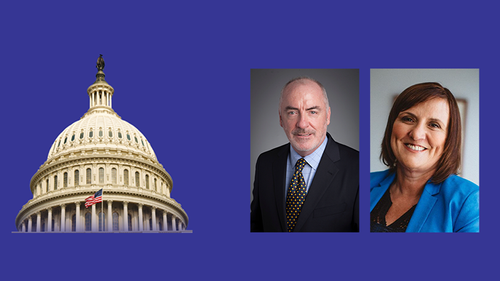
We are excited to share a significant advance in the fight against sepsis in the United States: the newly signed Congressional budget includes $5 million for the Centers for Disease Control and Prevention (CDC) to expand its sepsis programs, a $2 million increase over last year’s funding.

World Sepsis Day congratulates Ciaran Staunton, Orlaith Staunton, and the END SEPSIS team on this important milestone, which builds on sustained progress over recent years to secure dedicated federal support for sepsis.

END SEPSIS also reports growing momentum on the policy front, with bipartisan sepsis legislation introduced in both the U.S. House and U.S. Senate.

Staunton highlighted Senator Schumer’s role in helping to secure the additional funding.

Katja Couball
Rt. Hon. Helen Clark Joins Sepsis Trust New Zealand as Patron

The Global Sepsis Alliance is excited to share the announcement that former Prime Minister of New Zealand, the Rt. Hon. Helen Clark, is the new Patron of Sepsis Trust New Zealand.

Her appointment brings an unparalleled depth of global leadership and public health experience to the role, signalling to government, clinicians, funders and the public that sepsis is a serious, system-level health priority worthy of national and international attention.

As former Prime Minister of New Zealand, Administrator of the United Nations Development Programme (UNDP), and Co-Chair of the Independent Panel for Pandemic Preparedness and Response, Helen Clark has spent decades advancing health equity, strengthening health systems, and championing prevention and early intervention worldwide.

As Patron, Helen Clark will bring her voice, credibility and global perspective to Sepsis Trust New Zealand’s mission to reduce the impact and burden of sepsis across Aotearoa, supporting earlier recognition, better treatment, and improved outcomes for patients and whānau.

Sepsis remains a leading cause of preventable harm and death, yet it is still too often misunderstood or misdiagnosed. This patronage will strengthens our ability to raise awareness, influence policy, and work alongside clinicians, communities and decision-makers as we strive to have sepsis recognised as a global health priority.

Simone Mancini
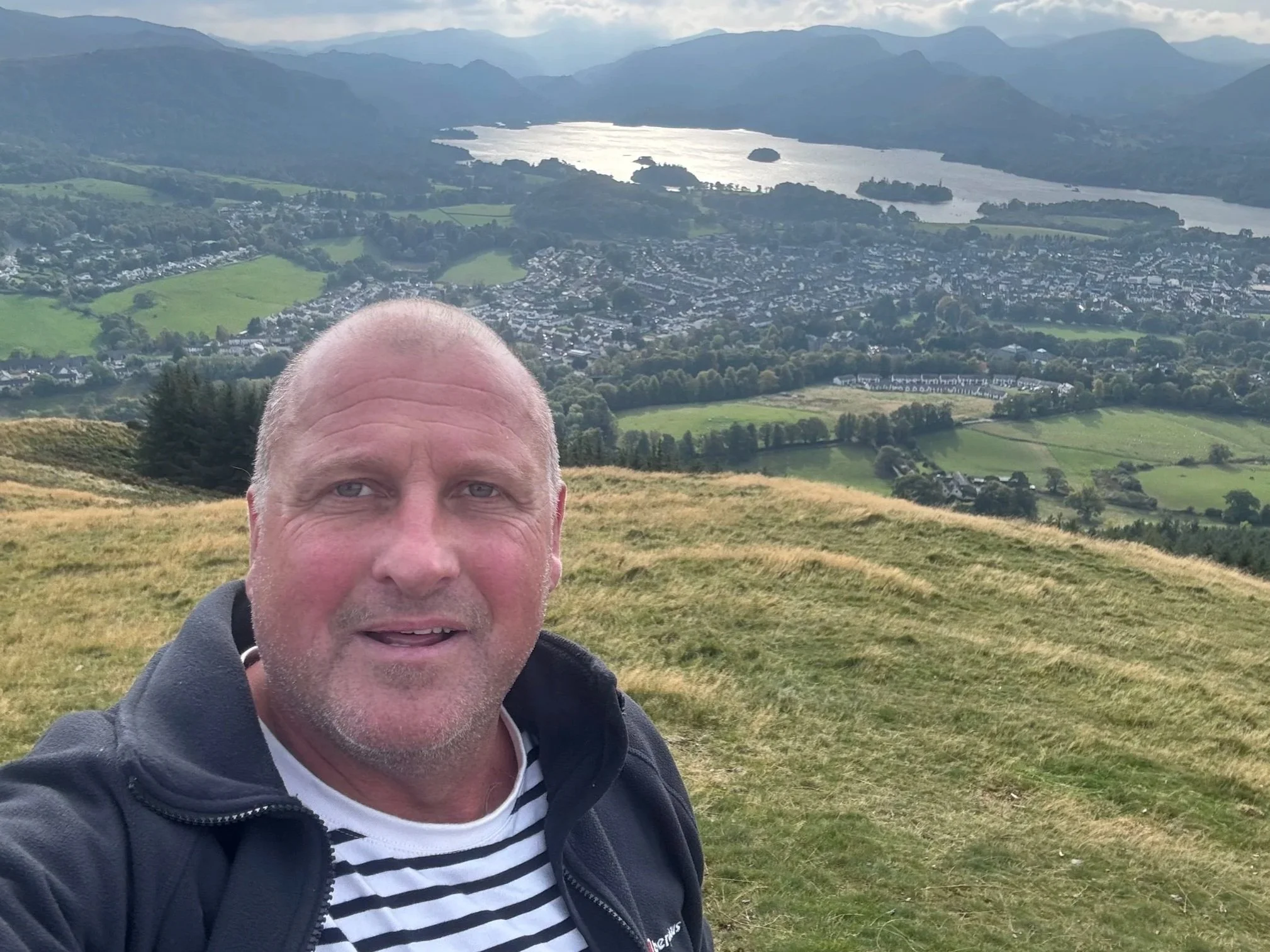
Against All Odds: My Sepsis Survival

In early November 2024, I had been feeling unwell for a few days. I had a fever, I was being sick, and I had diarrhoea. I honestly thought I had picked up a bug. On Tuesday morning, I rang in sick at work and went to see my doctor. He told me there was a viral infection going around and that I just needed to rest.

That evening, everything changed.

I woke up around 11 pm and could see people at my car. I thought they were trying to steal it, so I rang the police. When they arrived, nobody was there. About ten minutes later, I rang again because I could see them back at my car. This happened a few times. On the third call, the officers were going to arrest me for wasting police time, but one of them noticed I looked seriously unwell. I was hallucinating. Sepsis delirium had already set in. Those officers didn’t realise it at the time, but they saved my life. All I remember after that is walking towards the ambulance.

Hospital

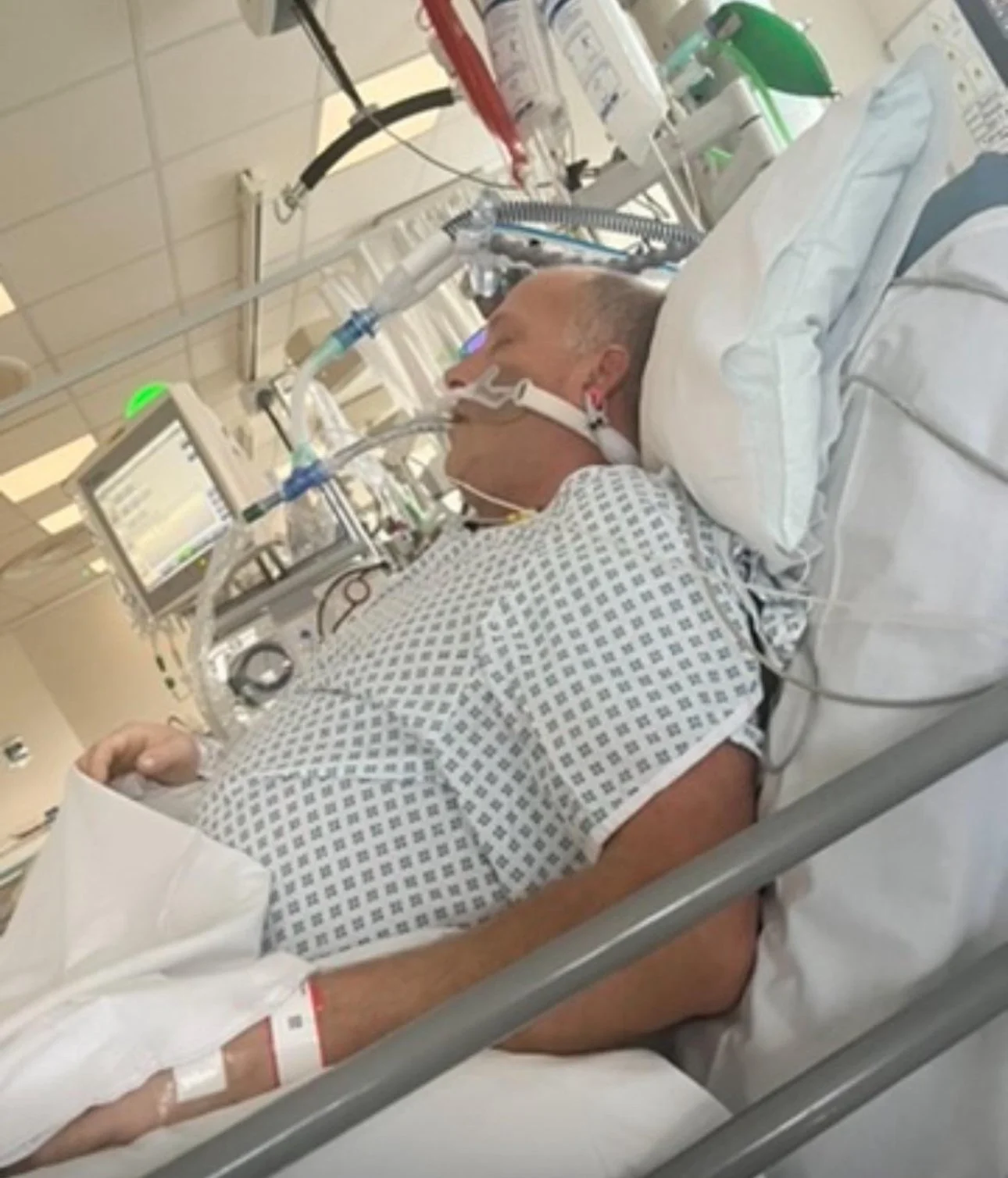
I arrived at the hospital in the early hours of Wednesday, 13th November. I was in triage and had blood tests taken. I was told my sodium was dangerously low, my potassium was high, and my blood pressure was very low. I became unresponsive, and they put a tube down my throat to help me breathe.

I then suffered my first cardiac arrest. I was transferred to the ICU, where I suffered another cardiac arrest that lasted around eight to ten minutes. CPR was performed, and adrenaline was given to restart my heart.

My kidneys had stopped working, so I was put on dialysis. I was ventilated and heavily sedated. Very quickly, I went into multi-organ failure – neurological, renal, hepatic, and cardiovascular. The doctors and consultants didn’t know what had caused it. They inserted multiple arterial lines and started treating me for sepsis with strong antibiotics, but the source of infection was never found. Within about 12 hours of being admitted, my whole family was called in and told how critical my condition was.

The Worst Days

For the next day or so, my family stayed by my bedside waiting for me to die. On Friday, 15th November, the consultants spoke to my family about a Do Not Resuscitate (DNR) order. They explained I was too poorly to survive another cardiac arrest and that it would be inhumane to attempt CPR again. That same day, I had to be taken for a CT scan so doctors could try to find the source of the infection. My family was warned there was a real chance I might not survive the journey, because I was so unstable and would need to be disconnected from some of my life support to go. About an hour later, doctors and nurses wheeled me back into the ICU. I had made it through. After that, my blood results slowly started to show small signs of improvement.

ICU and Recovery

I was kept sedated for most of the next 23 days. I was only woken twice because I was still too unstable.

During my time in the ICU:

  • I was treated for sepsis with antibiotics

  • I remained on dialysis

  • I needed medications to keep my blood pressure up

  • I experienced ICU delirium

  • I had a tracheostomy

  • I lost around 3½ stone

Doctors later told me I was an enigma and nothing short of a miracle. I spent six weeks in total in the hospital. On the 18th of December, my dad wheeled me out because I was too weak to walk.

Life After

When I woke up, I had no memory of what had happened. I suffered memory loss, confusion, anxiety, and recurring nightmares. I needed physiotherapy and cognitive therapy because my brain wasn’t working properly at first. I have now finished both. All my organs are back to normal.

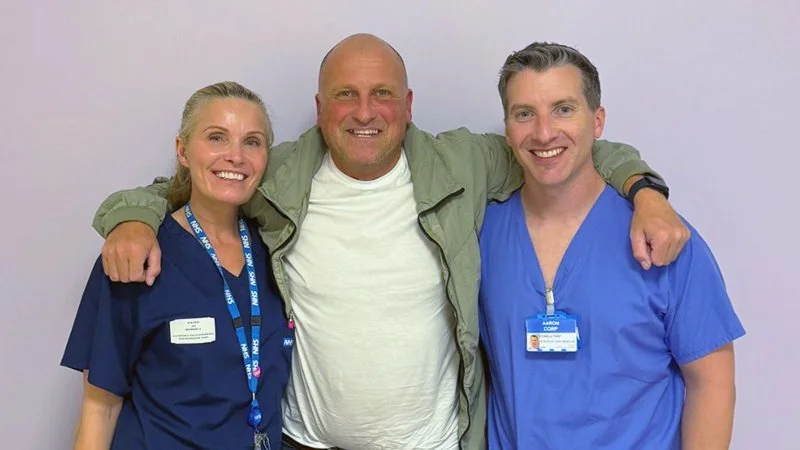
I’ve been back to the ICU at Royal Calderdale several times to thank the incredible doctors and nurses who saved my life. I’ve become good friends with a couple of the ICU nurses, and I will never forget the care I received there.

I’ve also been to the police station to personally thank the officers who noticed I was unwell that night. If it wasn’t for them, I would have died at home on my own. Doctors say I’m nothing short of a miracle.

I’d also like to thank the team at World Sepsis Day and the Global Sepsis Alliance for allowing me to share my journey. I hope my story raises awareness of the symptoms people need to look out for, confusion, being sick, diarrhoea, and feeling generally unwell. These signs can easily be missed, and people can deteriorate frighteningly fast.

I’m a dad to three girls, and I am a very grateful man today.

Justin Chancellor


The article above was written by Justin Chancellor and is shared here with his explicit consent. The views in the article do not necessarily represent those of the Global Sepsis Alliance. They are not intended or implied to be a substitute for professional medical advice. The whole team here at the Global Sepsis Alliance and World Sepsis Day wishes to thank him for sharing her story and for fighting to raise awareness for sepsis.

Katja Couball
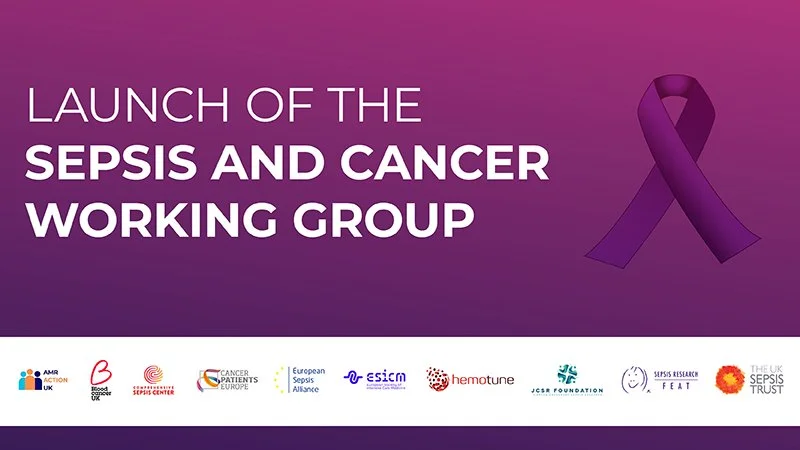
On World Cancer Day, ESA Launches Working Group on Sepsis and Cancer: An Integrated Response to Two Major Global Killers

On the occasion of World Cancer Day, the European Sepsis Alliance, together with leading professional societies, research institutions, and industry partners, is pleased to announce the launch of a new Working Group on Sepsis and Cancer.

This initiative has been convened following the leadership and impetus of The Jibraan Chaudhary Sepsis Research Foundation, whose mission highlights the urgent and often overlooked intersection between cancer, immunosuppression, and sepsis.

Why sepsis and cancer?

Sepsis remains one of the most serious and underestimated complications affecting people living with cancer. Patients undergoing chemotherapy—particularly those experiencing neutropenia—are at increased risk of infection, rapid deterioration, and recurrent sepsis episodes.

  • Neutropenic patients are several times more likely to develop sepsis than the general population, with infections often progressing rapidly and atypically.

  • Sepsis is a leading cause of unplanned hospitalisation and ICU admission among patients with haematological malignancies.

  • Cancer survivors who experience one episode of sepsis face a significantly higher risk of recurrence, long-term morbidity, treatment interruptions, and mortality.

  • Despite advances in oncology, infection prevention and sepsis management have not kept pace, often falling between medical specialties and health system responsibilities.

As cancer survival improves, addressing sepsis prevention, early recognition, and optimal management must become a core pillar of cancer care, rather than a reactive response to complications.

Purpose of the Working Group

The Working Group on Sepsis and Cancer aims to bring together expertise across disciplines to:

  • Elevate awareness of sepsis as a major, preventable threat to cancer patients

  • Identify gaps in clinical pathways, research, and policy related to infection and sepsis in oncology and haematology

  • Promote better integration of sepsis prevention, early detection, and response within cancer care pathways

  • Support research, data generation, and advocacy efforts that improve outcomes for immunocompromised patients

The Working Group will serve as a collaborative platform, connecting clinicians, researchers, patient advocates, policymakers, and industry to identify shared solutions at national and European levels.

Founding organisations

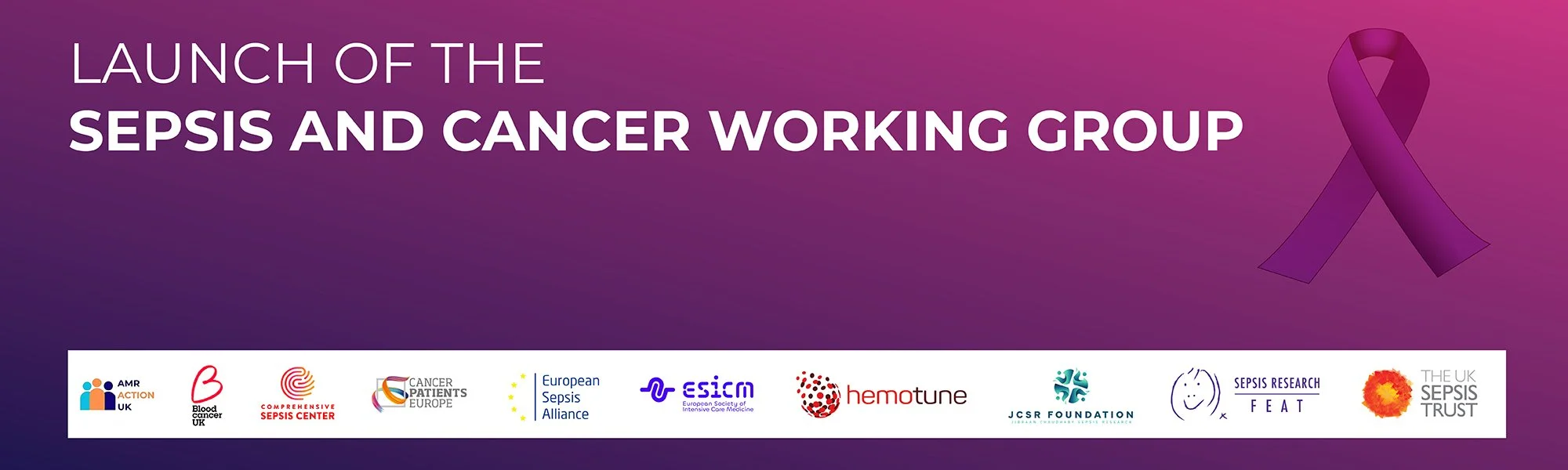
The Working Group is founded by the following organisations:

An open and growing initiative

The Working Group is open to additional organisations—including patient groups, professional societies, academic institutions, and business partners—who share an interest in addressing this critical and under-recognised aspect of cancer care. Should you be interested in joining the working group, please contact Simone Mancini at Simone.Mancini@global-sepsis-alliance.org or Nveed Chaudhary at Nveed@jcsr.org.uk.

As the Working Group develops its priorities, workplan, and activities, we will share updates on progress, outputs, and opportunities for engagement.

Katja Couball
Dr. Jashi Addresses the Parliamentary Assembly of the Mediterranean (PAM) Forum

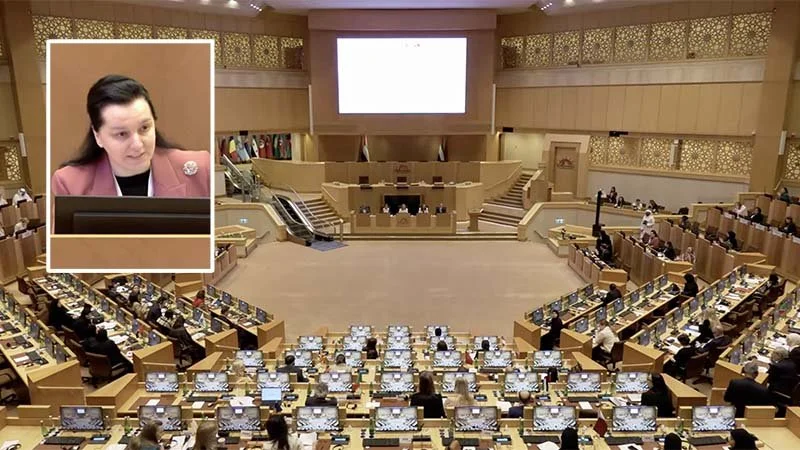
Hon. Dr. Mariam Jashi Champions Women’s Leadership at the 2nd Women Parliamentary Forum of the Parliamentary Assembly of the Mediterranean (PAM) in Abu Dhabi 

From January 26–28, 2026, Hon. Dr. Mariam Jashi, UNITE Chapter Chair for Eastern Europe & Central Asia, represented UNITE at the 2nd Session of the Parliamentary Assembly of the Mediterranean (PAM) Women Parliamentary Forum (WPF), held under the high patronage of Her Highness Sheikha Fatima bint Mubarak, Supreme Chairwoman of the Family Development Foundation and President of the General Women’s Union. The Forum, themed “Empowering Women for Cohesive and Inclusive Societies: From the Gulf to the Mediterranean”, convened women parliamentarians, policymakers, and civil society leaders from across the region to explore strategies for advancing women’s empowerment in politics, economics, education, health, and peacebuilding. 

Driving Women’s Political and Economic Leadership 

Hon. Dr. Jashi delivered a speech in the session “Advancing Women in Economic and Political Life”, where she shared her insights on how regional and international parliamentary networks can effectively amplify women’s participation in governance. Dr. Jashi highlighted the essential role parliamentarians play in representing their constituencies, passing laws and budgets, and holding governments accountable. Drawing on evidence linking political participation to greater freedom and equity, Dr. Jashi underscored persistent gender inequalities, including barriers to healthcare access for women living in poverty and the underrepresentation of women in leadership despite their dominance in the health workforce. She called for stronger political engagement and partnerships to advance women’s political participation and invited delegates to join UNITE and its upcoming Global Summit in Manila on March 7–8. 

The Forum highlighted the importance of integrating economic empowerment with political engagement. Discussions emphasized that women cannot fully participate in public life without access to financial independence, social protection, and equal opportunities in the workforce. Policies that address gendered barriers to employment, access to finance, and entrepreneurship were recognized as having a multiplier effect, enabling women to contribute more meaningfully to policy-making, leadership, and community resilience. 

The sessions also underscored the intersectionality of women’s challenges, noting that cultural, economic, and social factors affect women differently depending on age, region, or social status. Participants stressed the need for tailored policy solutions and cross-national collaboration, encouraging parliamentarians to develop legislation informed by local realities while drawing on international best practices 

Promoting Holistic Women’s Empowerment 

Beyond the political and economic focus, Hon. Dr. Jashi engaged with discussions on health, education, and environmental sustainability, highlighting how empowering women in these sectors strengthens entire societies. She stressed the need for integrated approaches: improving women’s access to healthcare and education directly influences their economic participation and capacity for civic leadership, creating a virtuous cycle of empowerment. 

Advancing UNITE’s Mission Through Regional Collaboration 

Hon. Dr. Jashi’s participation reinforced UNITE’s commitment to strengthening the role of women in decision-making and sustainable development. By engaging with regional partners and sharing best practices, she helped highlight actionable solutions for increasing women’s political representation, promoting gender-responsive policymaking, and leveraging parliamentary networks to achieve tangible impact. 

The Forum concluded with a forward-looking dialogue on how women’s parliamentary networks can inspire change in times of fragmentation, aligning closely with UNITE’s mission to cultivate leadership, collaboration, and innovation among women lawmakers worldwide. 

Katja Couball
Dr. Mariam Jashi Joins KAS-UNITE Parliamentary Dialogue in Geneva

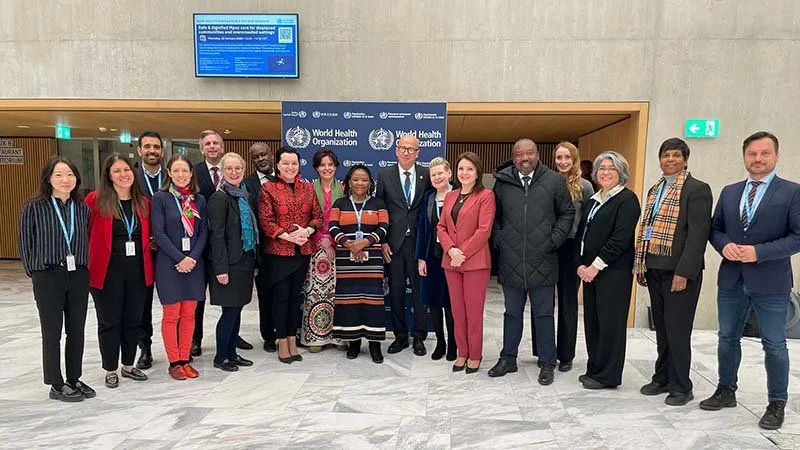
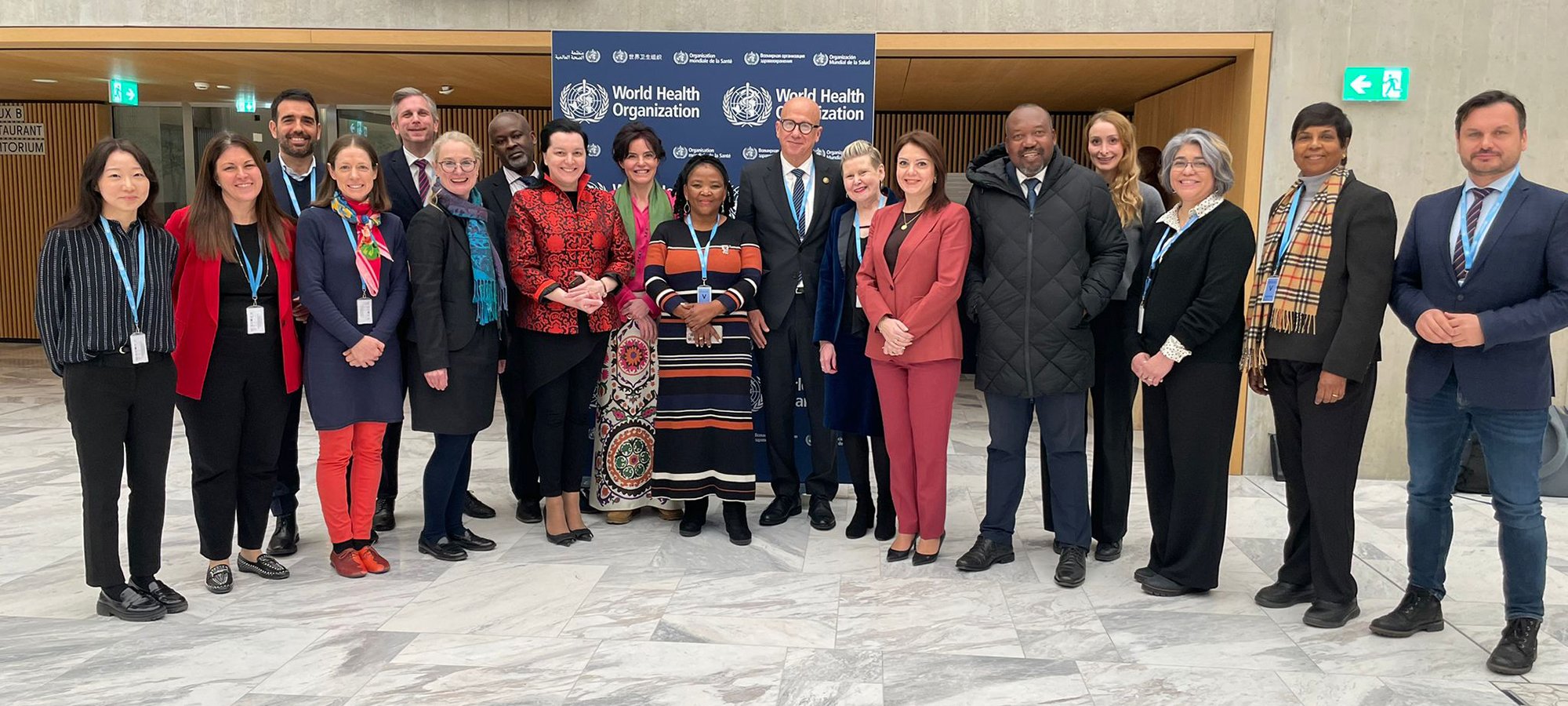
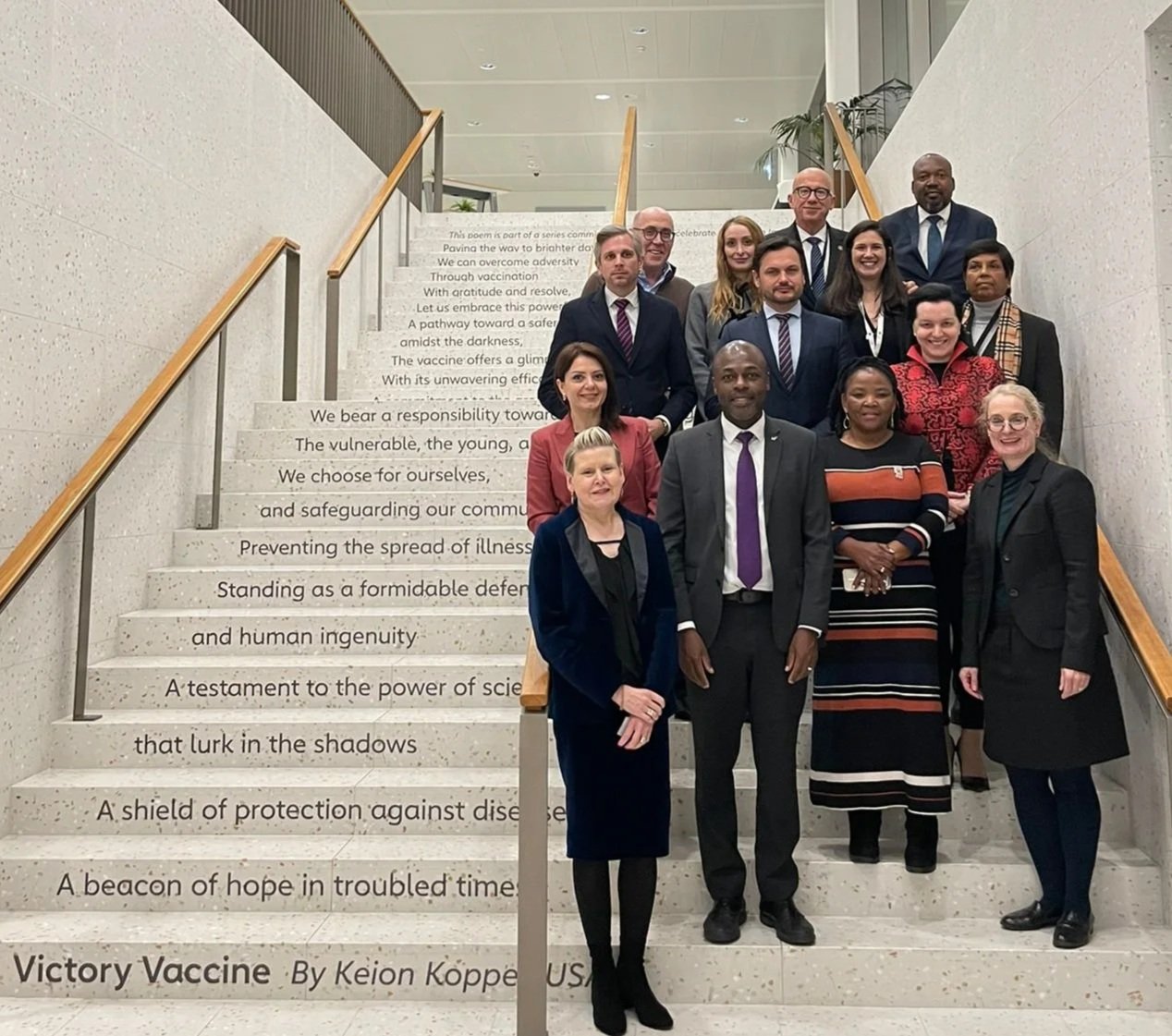
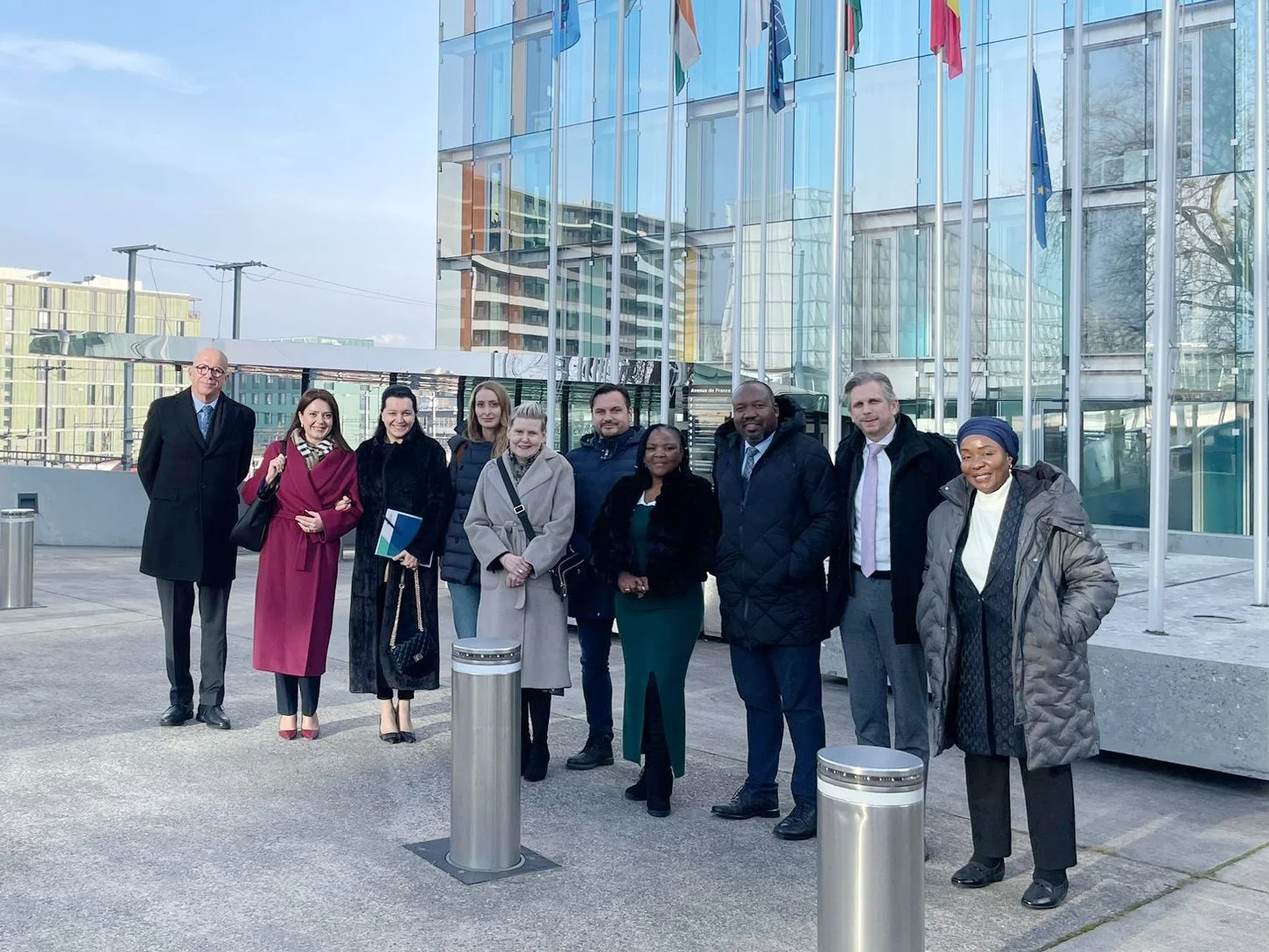
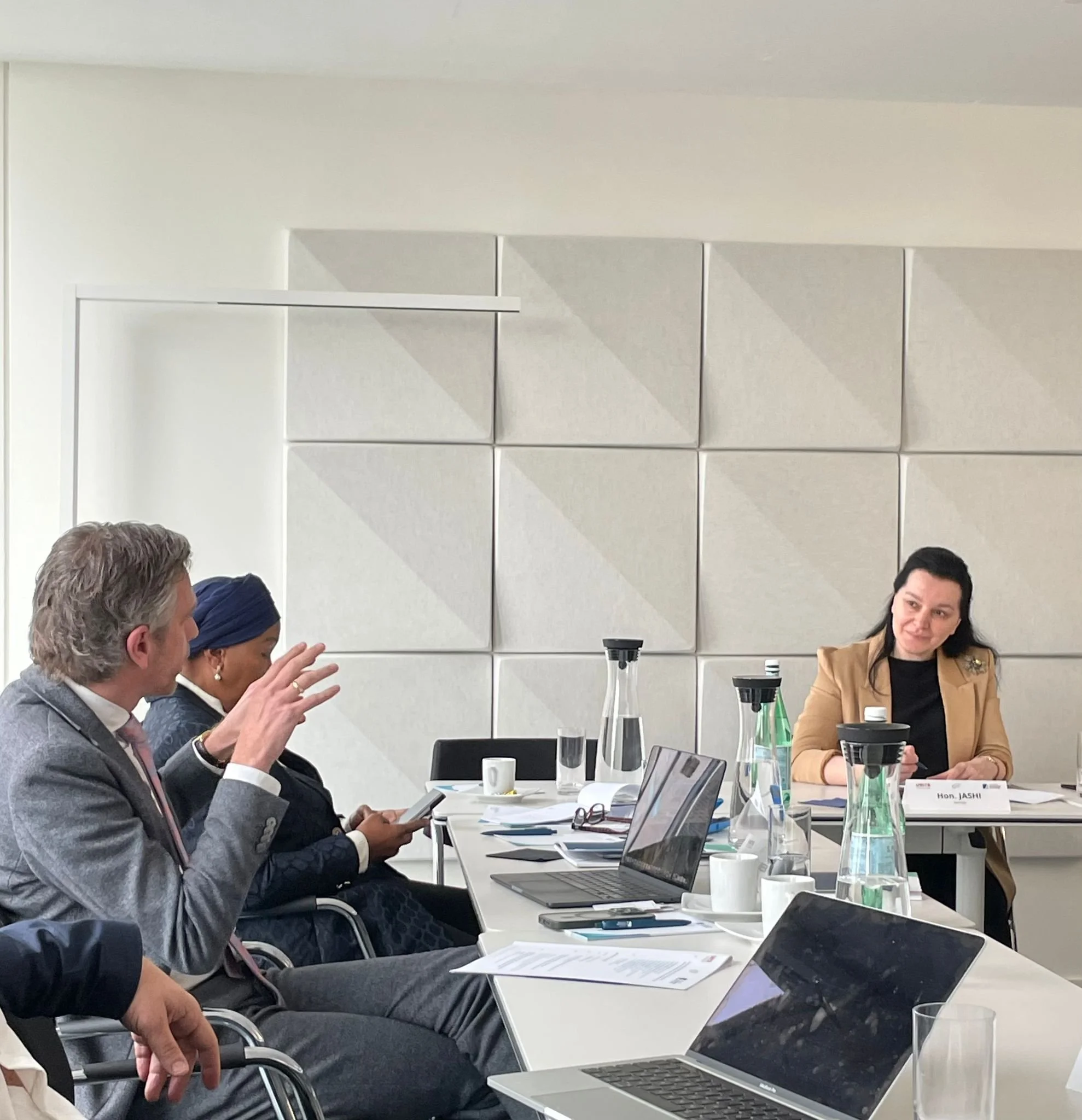
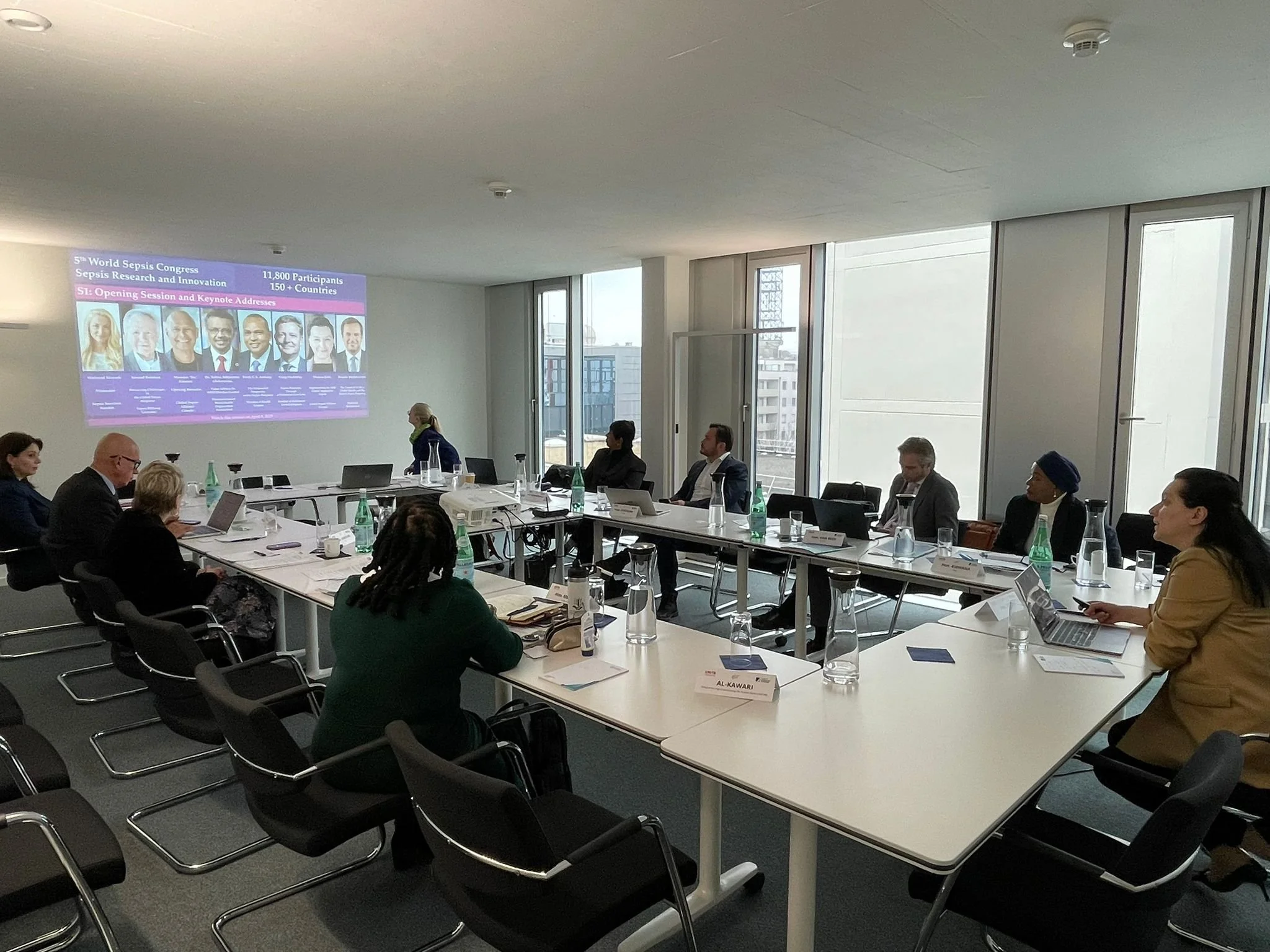
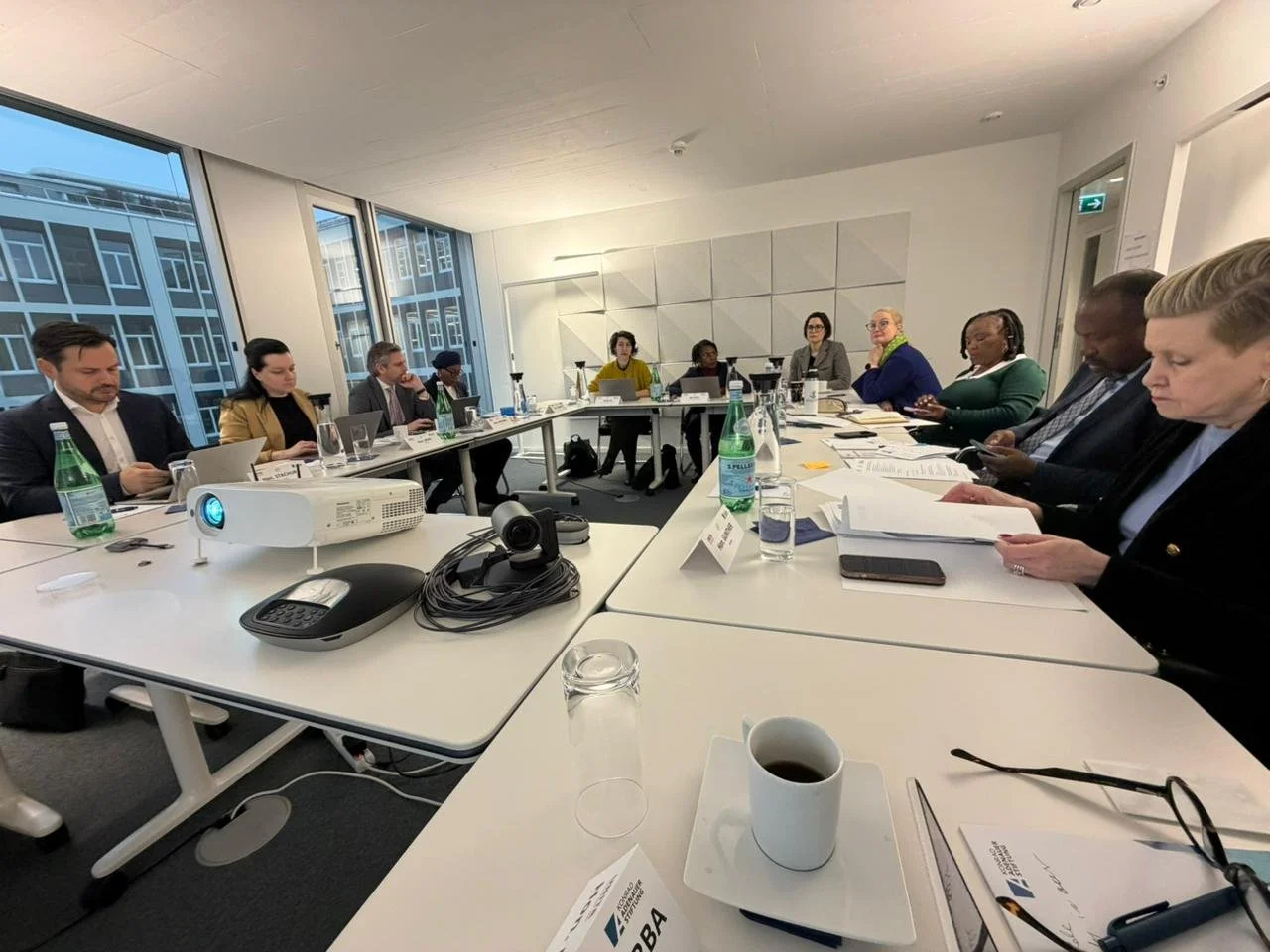
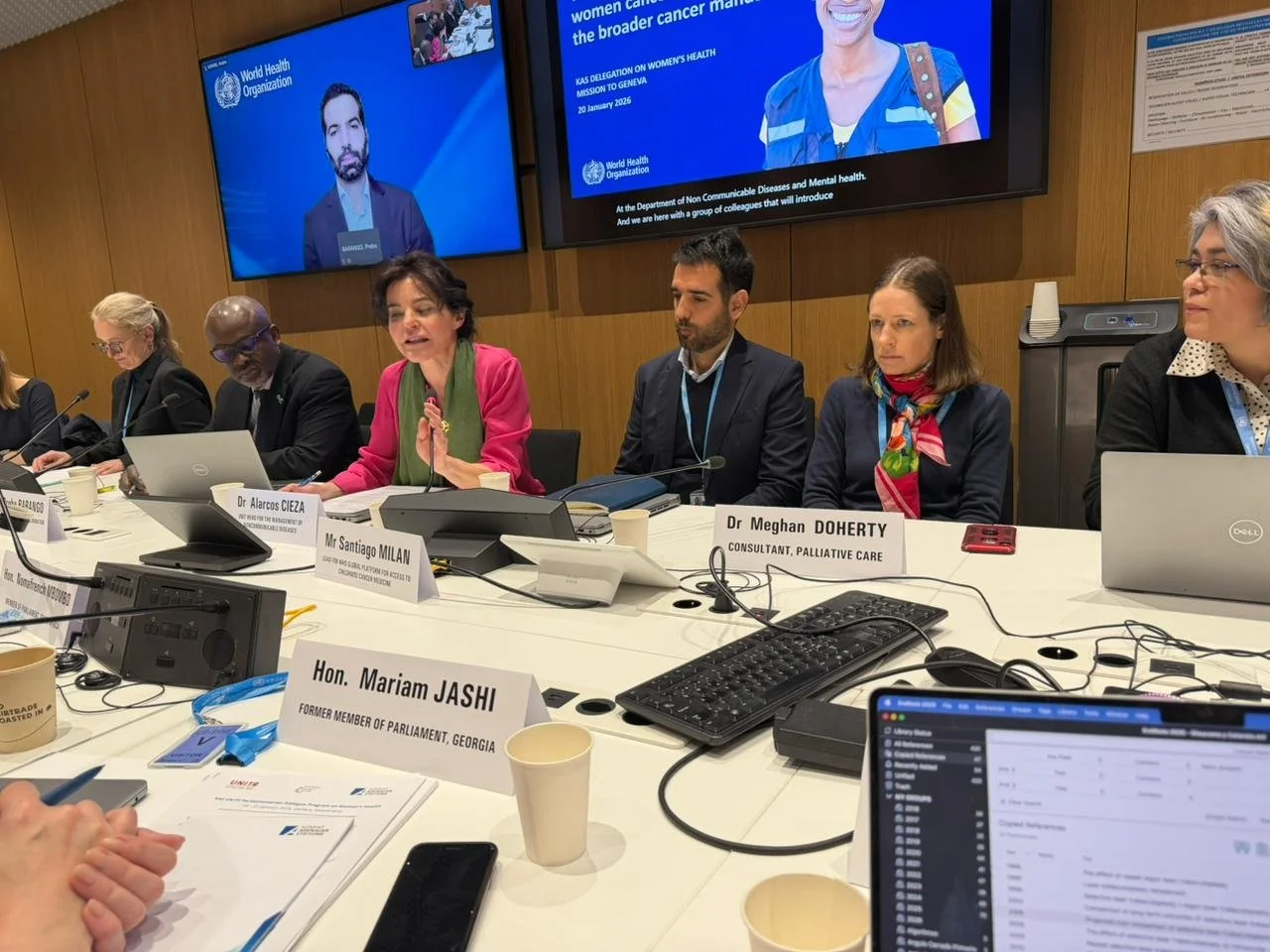
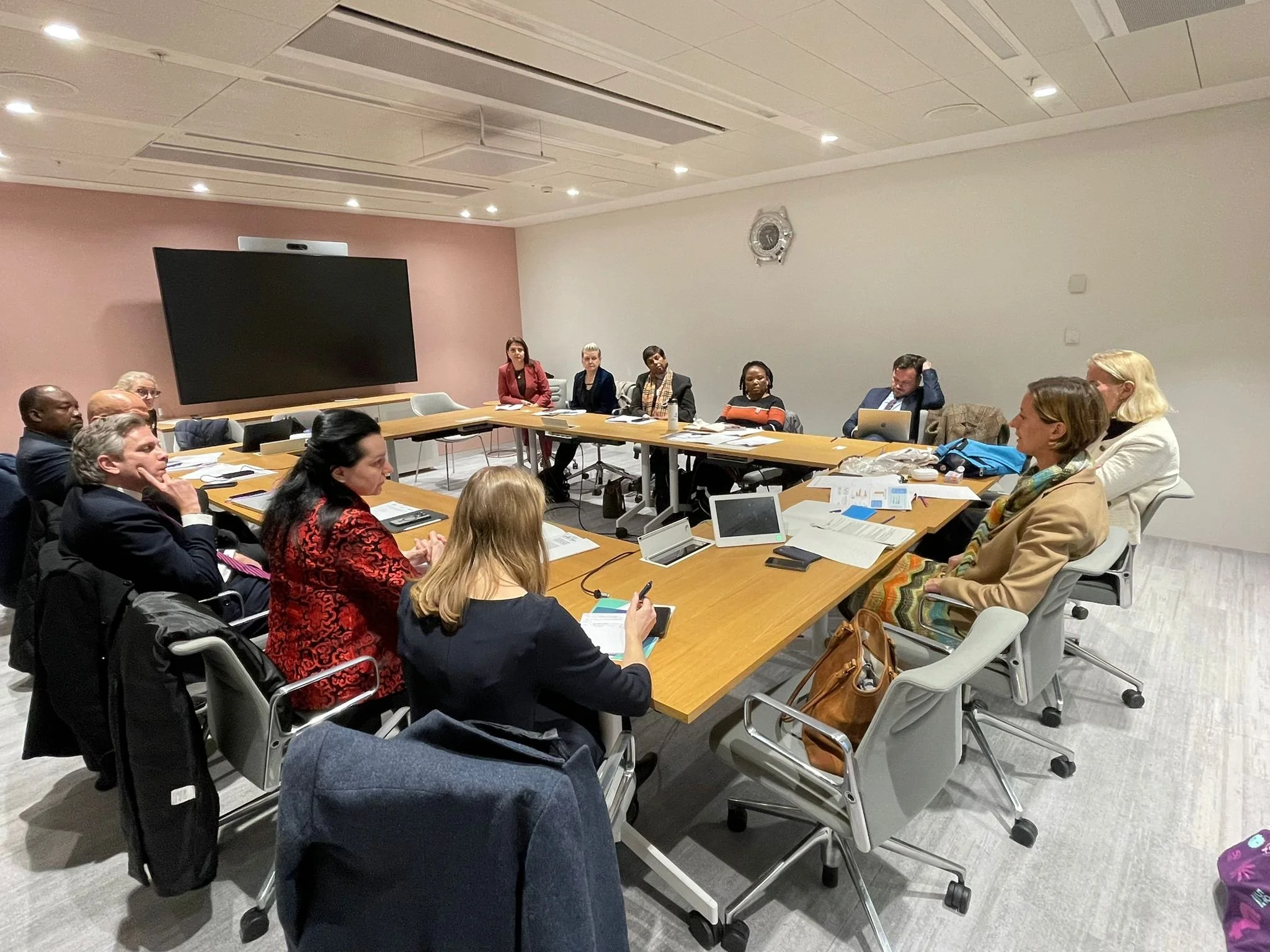
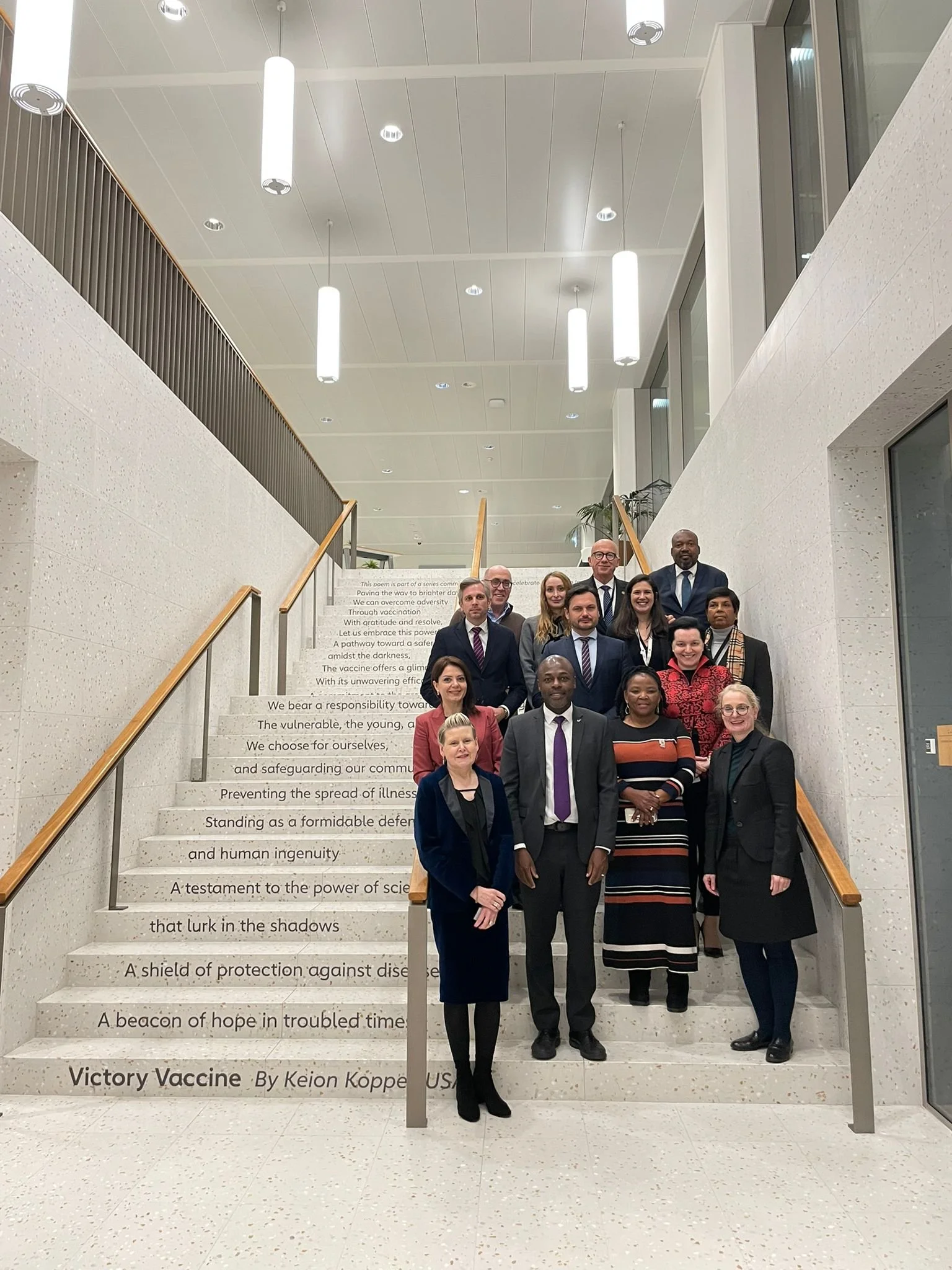
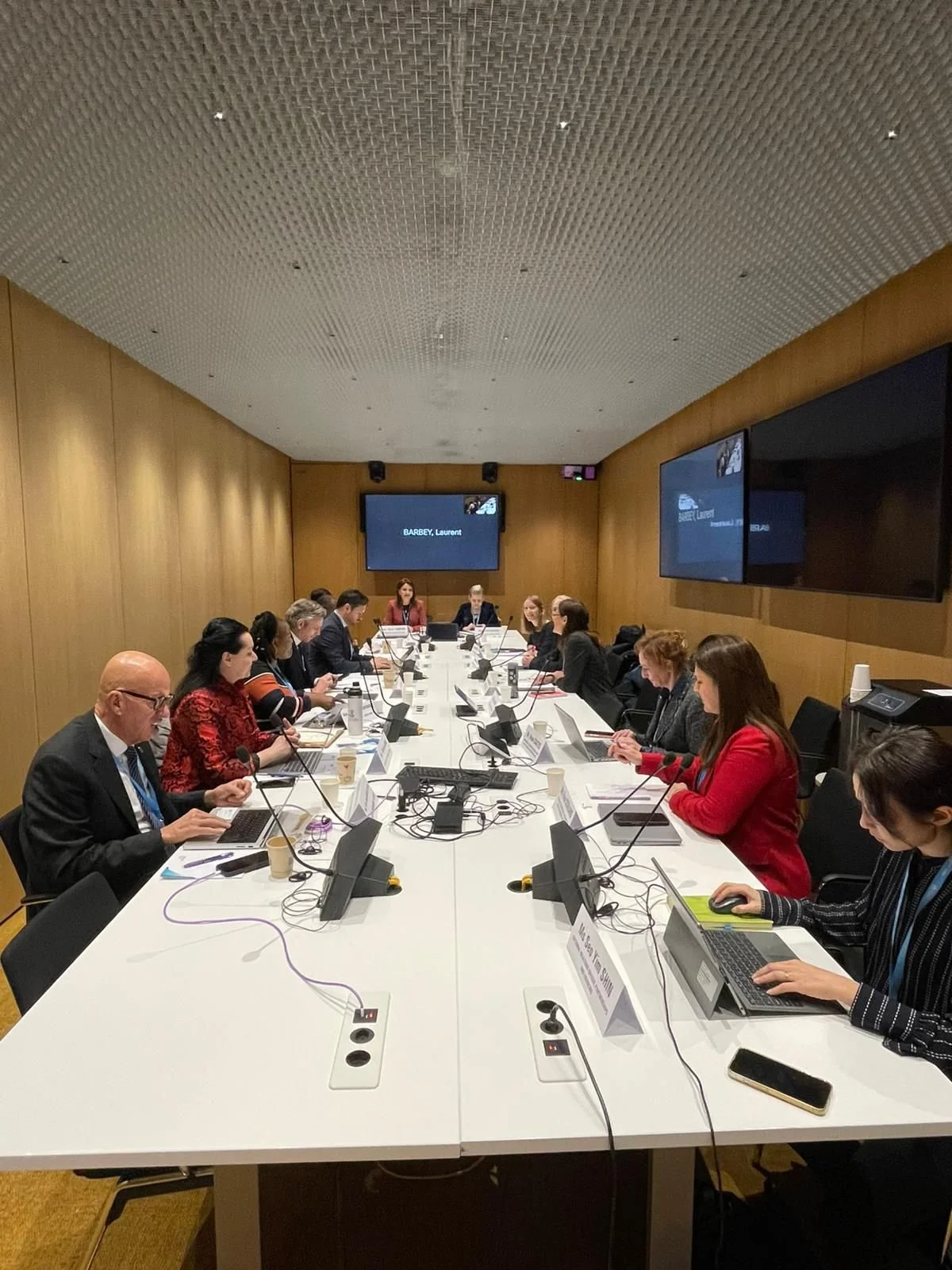
Dr. Mariam Jashi, CEO of the Global Sepsis Alliance, Board Member of the UNITE Parliamentarians Network, and Secretary General of the Medical Women’s International Association, participated in the KAS–UNITE Parliamentarian Dialogue Program on Women’s Health held in Geneva on January 20–21. The high-level dialogue brought together parliamentarians and senior representatives of the UN and global health institutions to address pressing challenges in women’s health and strengthen political leadership for gender-responsive health systems. 

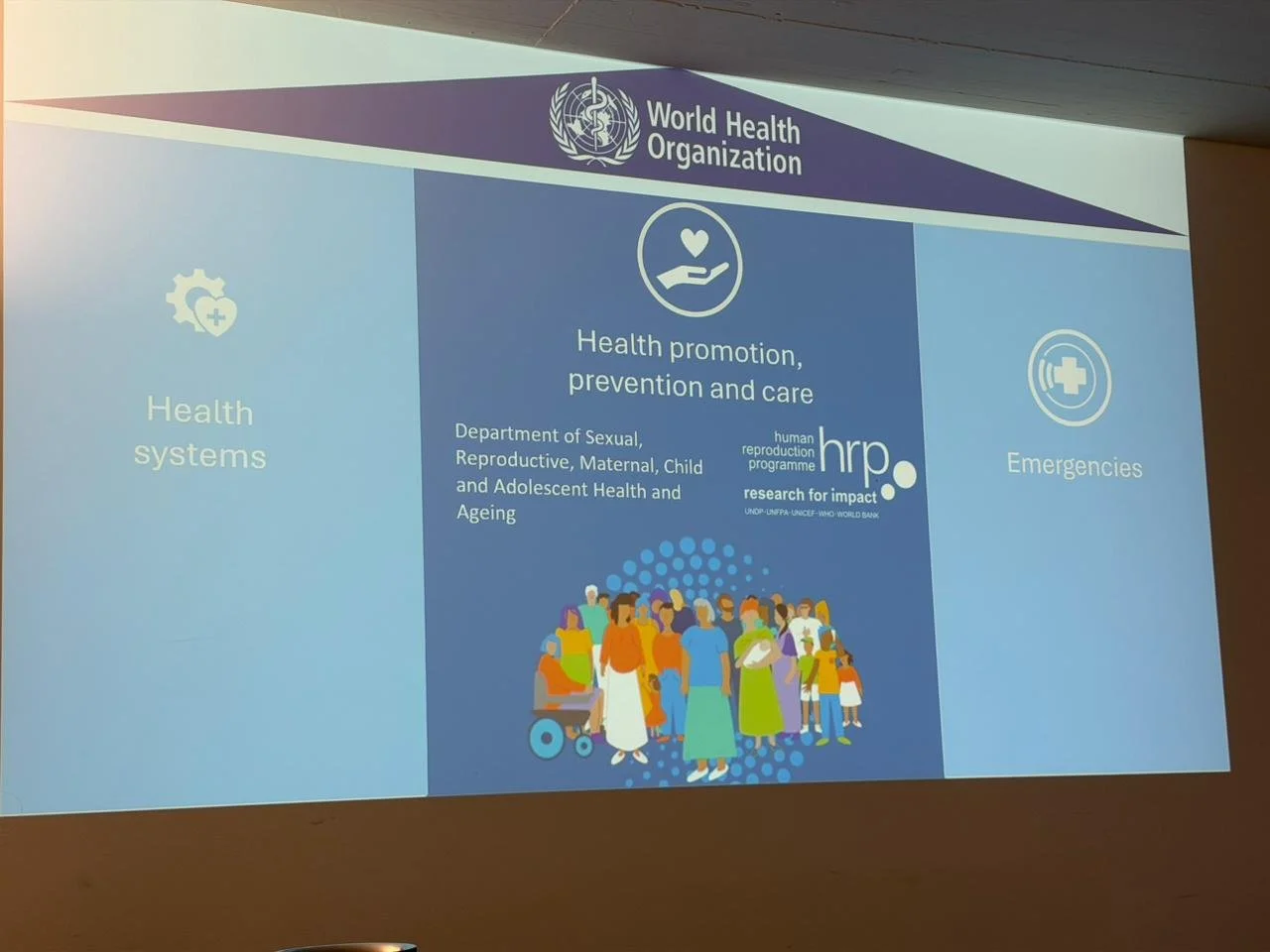
During meetings at the World Health Organization (WHO), UN Women, the United Nations Population Fund (UNFPA), and UNITAID, discussions focused on gender equity, sexual and reproductive health and rights, non-communicable diseases, and innovation in global health financing. Parliamentarians also engaged with the Office of the United Nations High Commissioner for Human Rights on women’s rights within the UN human rights system, as well as with Médecins Sans Frontières on health challenges in conflict and humanitarian settings. 

The dialogue included a special presentation delivered by Dr. Mariam Jashi on “Sepsis and Women,” addressing gender-specific dimensions of Sepsis, disparities in early recognition and treatment, and the urgent need for stronger political and health system responses. Drawing on her experience as a former parliamentarian and global health leader, Dr. Jashi emphasized the critical role of policymakers in prioritizing Sepsis within national health agendas and ensuring equitable access to timely diagnosis and care for women and girls. Her contribution reinforced the importance of integrating Sepsis into broader discussions on women’s health, antimicrobial resistance, and resilient health systems. The presentation resulted in expressions of interest from parliamentarians to be more actively engaged in Sepsis-related advocacy to save lives, including through the World Sepsis Congress and World Sepsis Day movements. 

In addition to multilateral engagements, the dialogue also featured public–private discussions on global health priorities, fostering exchange between parliamentarians and key global health agencies and partnerships. These discussions engaged the International Federation of Pharmaceutical Manufacturers and Associations (IFPMA), Medicines for Malaria Venture, GSK, United Robotics Group Health & Food GmbH, Siemens Healthineers, Global Antibiotic Research and Development Partnership (GARD-P) and Drugs for Neglected Diseases initiative (DNDi), highlighting the importance of collaboration across sectors to strengthen resilient and equitable health systems. 

UNITE Parliamentary Delegation included:

·      Hon. Dr. Éctor Jaime Ramírez Barba – Member of Parliament, Mexico

·      Hon. Sascha van Beek – Member of the German Bundestag

·      Hon. Dr. Sudarshini Fernandopulle – Former Member of Parliament, Sri Lanka

·      Hon. Hamida Ali Kibwana – Member of Parliament, Kenya

·      Hon. Daniel Molokele – Member of Parliament, Zimbabwe

·      Hon. Prof. Nomafrench Mbombo – Member of Parliament, South Africa

·      Hon. Dr. Orjola Pampuri – Former Member of Parliament, Albania

·      Hon. Penilla Gunther – Former Member of Parliament, Sweden,

·      Hon. Dr. Peter Stachura – Member of Parliament, Slovakia 

This visit was kindly supported by the Konrad-Adenauer-Stiftung. The UNITE Parliamentarians Network and the Global Sepsis Alliance express their sincere appreciation to Andrea E. Ostheimer, KAS Representative to the United Nations Geneva, and Sarah Ultes, Research Associate at KAS Multilateral Dialogue Geneva, for their excellent coordination, substantive support, and strong partnership in making this Parliamentary Dialogue possible.

Katja Couball
Sepsis Can Happen to Anyone

My sepsis story began earlier this year, more precisely on May 13, 2025.

Normally, very little can truly throw me off balance anymore. But what happened then was unlike anything I had ever known or experienced before.

Because I was born with spina bifida, I have been familiar with hospitals and their routines since childhood. That is why I initially didn’t think something could seriously surprise me so quickly.

On May 13, I had an appointment with my gynecologist for my annual check-up. For several days beforehand, I had been suffering from severe menstrual pain, and as a result, I was prescribed the pill.

However, since the pain in my abdomen and lower pelvic area did not subside, I visited my general practitioner. There, a bladder infection was diagnosed and treated.

By May 19, I still wasn’t feeling any better. During another visit to my GP, blood was drawn, and a comprehensive blood test was ordered. I was also given an infusion because I was dehydrated.

That same evening, my GP called me. She explained that my inflammatory markers were extremely high and that I needed to go to the hospital immediately. I was told to pack a few things and go straight to the emergency department.

My father took me to Freiburg University Hospital at around 5 p.m. There, I received immediate medical care. By that time, I was already in such severe pain that I could barely process what was happening around me.

In the resuscitation room, I was examined by a team of doctors and nurses. The diagnosis: urosepsis, which had already triggered organ failure. In addition, a kidney stone was discovered in my left kidney. Since my right kidney had already been damaged due to a severe kidney infection in childhood, my left kidney was now also affected.

My condition was critical: blood pressure of 75/55, severe chills, and recurring fever spikes. Immediate removal of the kidney stones was not possible. The doctors, therefore, decided to insert a ureteral stent as an initial measure. This procedure was performed during the night at around 3 a.m., after my circulation had been stabilized to some extent.

In total, I stayed in the hospital for one week: two to three days in the intensive care unit, followed by time on a general ward.

Today I know this: only because of the quick actions of my GP, the medical team, and my family am I still alive. The doctors later told me that without being admitted to the hospital, I probably would not have survived the next day.

From this experience, I take away one thing above all: gratitude. Gratitude for my family, especially my parents, who reacted immediately, and my father, who took me to the hospital. Gratitude for my partner, who stood by my side. And gratitude for life, which gave me a second chance.

The article above was written by Hanna and is shared here with his explicit consent. The views in the article do not necessarily represent those of the Global Sepsis Alliance. They are not intended or implied to be a substitute for professional medical advice. The whole team here at the Global Sepsis Alliance and World Sepsis Day wishes to thank her for sharing her story and for fighting to raise awareness for sepsis.

Katja Couball
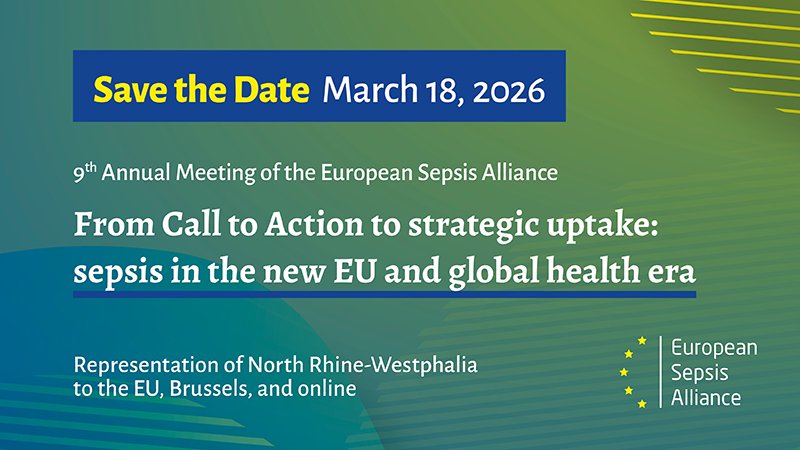
Save the Date and Register for the 9th ESA Annual Meeting, Brussels, 18 March 2026

We are delighted to begin the new year with the announcement that the 9th ESA Annual Meeting will take place on 18 March in Brussels, at the Representation of North Rhine-Westphalia to the EU.

At the last Annual Meeting in March, we launched the Call to Action for Sepsis in Europe, which set out concrete recommendations for EU institutions, Member States, and stakeholders.

One year on, the 2026 meeting aims to take stock of progress, identify gaps, and reinvigorate the commitments outlined in the Call to Action. We will involve European policymakers and authorities, sepsis survivors and experts, with the objective to demonstrate the urgency to integrate sepsis into the EU policy agenda and engage participants in advocating for sepsis awareness and prioritisation.

As speakers are still confirming their participation, the programme will be published soon. Meanwhile, please save the date and register to attend the event online or in person.

Sponsors


NB: Sponsors do not influence in any way the content of the event.

Katja Couball