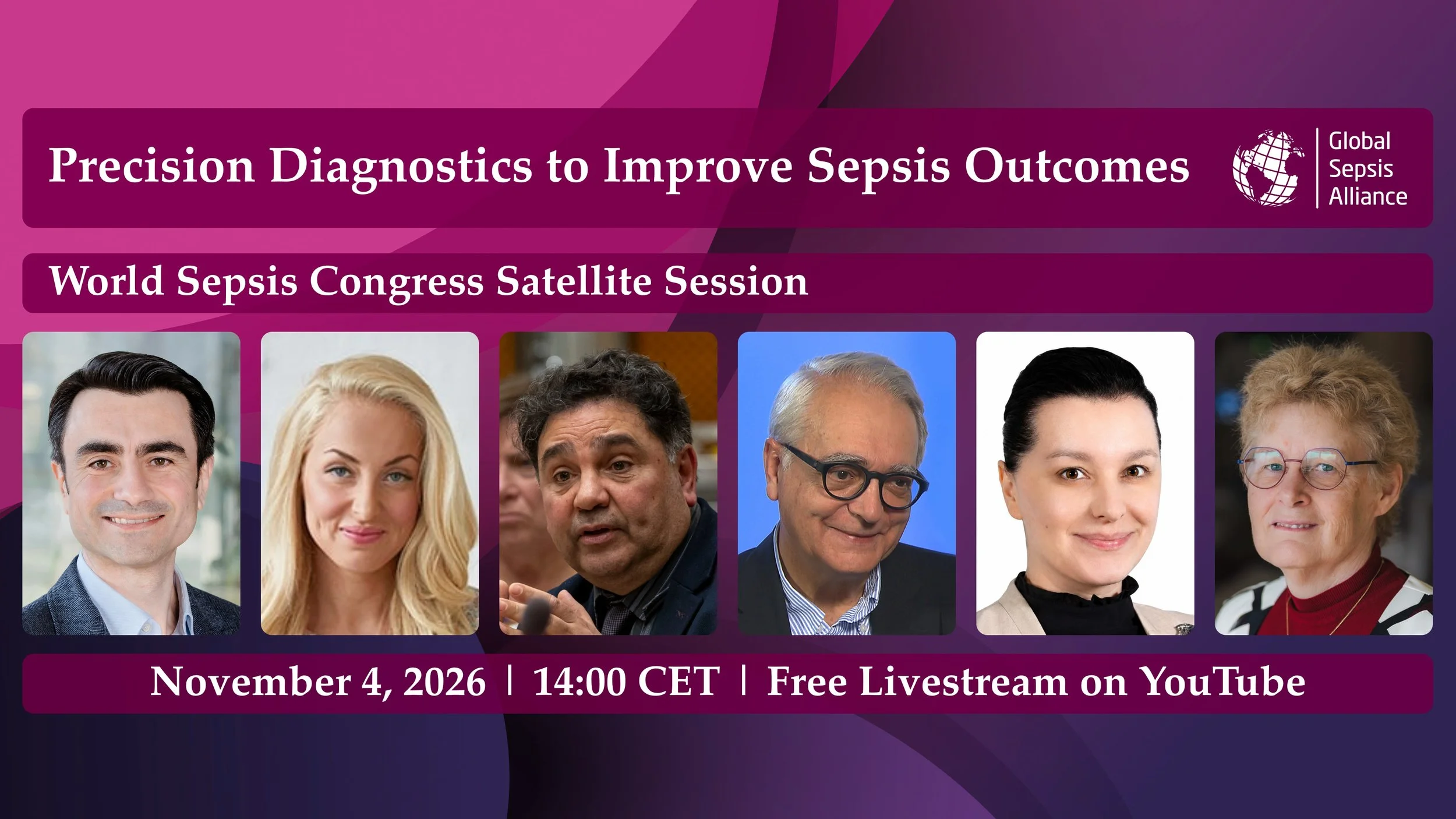
Precision Diagnostics to Improve Sepsis Outcomes – November 4 – WSC Satellite Session

November 4, 2026 | 14:00 CET | Free Livestream on YouTube

How can precision diagnostics improve sepsis outcomes? On November 4, 2026, the Global Sepsis Alliance will host a World Sepsis Congress Satellite Session, sponsored by Danaher, bringing together international experts and a sepsis survivor to explore advances in sepsis diagnosis and their potential to save lives.

Sepsis is a life-threatening condition in which early and accurate diagnosis is critical. Yet, despite advances in medical technology, diagnosing sepsis remains challenging. Its diverse clinical presentations, the limitations of current diagnostic approaches, and the need to identify infections and understand individual host responses underscore the need for better diagnostic strategies.

Precision diagnostics offer opportunities to improve how sepsis is recognized, characterized, and treated. This free online session will examine emerging technologies and approaches, from host-response biomarkers and immune signatures to rapid molecular diagnostics and the integration of diagnostic data into clinical decision-making.

Participants will hear from leading experts in sepsis research and clinical care, as well as a sepsis survivor, and explore how diagnostic innovations could support earlier intervention, more targeted antimicrobial treatment, and better patient outcomes.

Register now using the form below to join the discussion.


Register Now


Program and Speakers

The 90-minute session will be moderated by our very own Simone Mancini of the Global Sepsis Alliance, and will feature the following presentations:

The Patient Perspective: Earlier and More Accurate Diagnosis Save Lives
Shahrzad Kiavash, Sepsis Survivor and Paralympic Triathlete, Sweden

The session opens with a personal perspective on sepsis and the importance of timely, accurate diagnosis.

Rethinking Sepsis Diagnosis: From Clinical Syndrome to Precision Diagnostics
Prof. Djillali Annane, IHU Sepsis, France

Why do we need better diagnostics in sepsis, and what should a precision diagnostic actually achieve? This presentation will examine sepsis as a heterogeneous clinical syndrome, the limitations of current diagnostic approaches, and the need to move beyond individual biomarkers or tests toward integrated diagnostic strategies.

Early Diagnosis of Sepsis in the Emergency Room
Prof. Antonio Artigas, Autonomous University of Barcelona, Spain

This presentation will explore the challenges of recognizing sepsis in the emergency room, the importance of early diagnosis, and how improved diagnostic approaches can support timely clinical decisions and better patient outcomes.

Investing in Sepsis Science for Future Pandemic Preparedness
Dr. Mariam Jashi, Global Sepsis Alliance, Georgia

This presentation will highlight the importance of sustained investment in sepsis research and innovation to strengthen health systems, advance scientific knowledge, and improve preparedness for future pandemics.

Integrating Diagnostic Data: From Precision Testing to Clinical Decision-Making
Prof. Alison Fox-Robichaud, McMaster University, Canada

With multiple diagnostic signals available, how can clinicians translate complex data into meaningful clinical decisions? This presentation will explore advances in diagnostic integration and their demonstrated clinical benefits.

The session will conclude with a question-and-answer segment and closing remarks from Simone Mancini.


Sponsored by

We thank Danaher for sponsoring this webinar.

Sponsors do not influence the choice of speakers or the content of our events in any way.

Marvin Zick
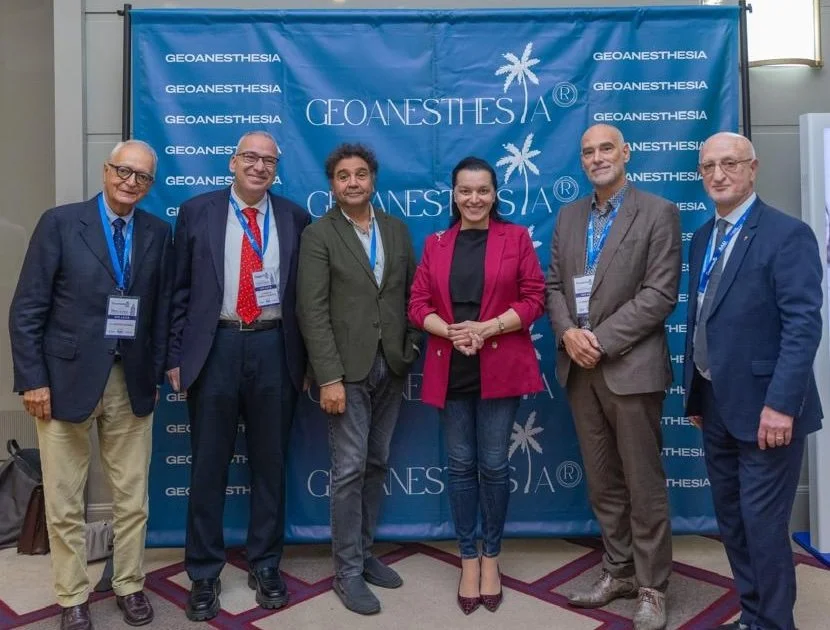
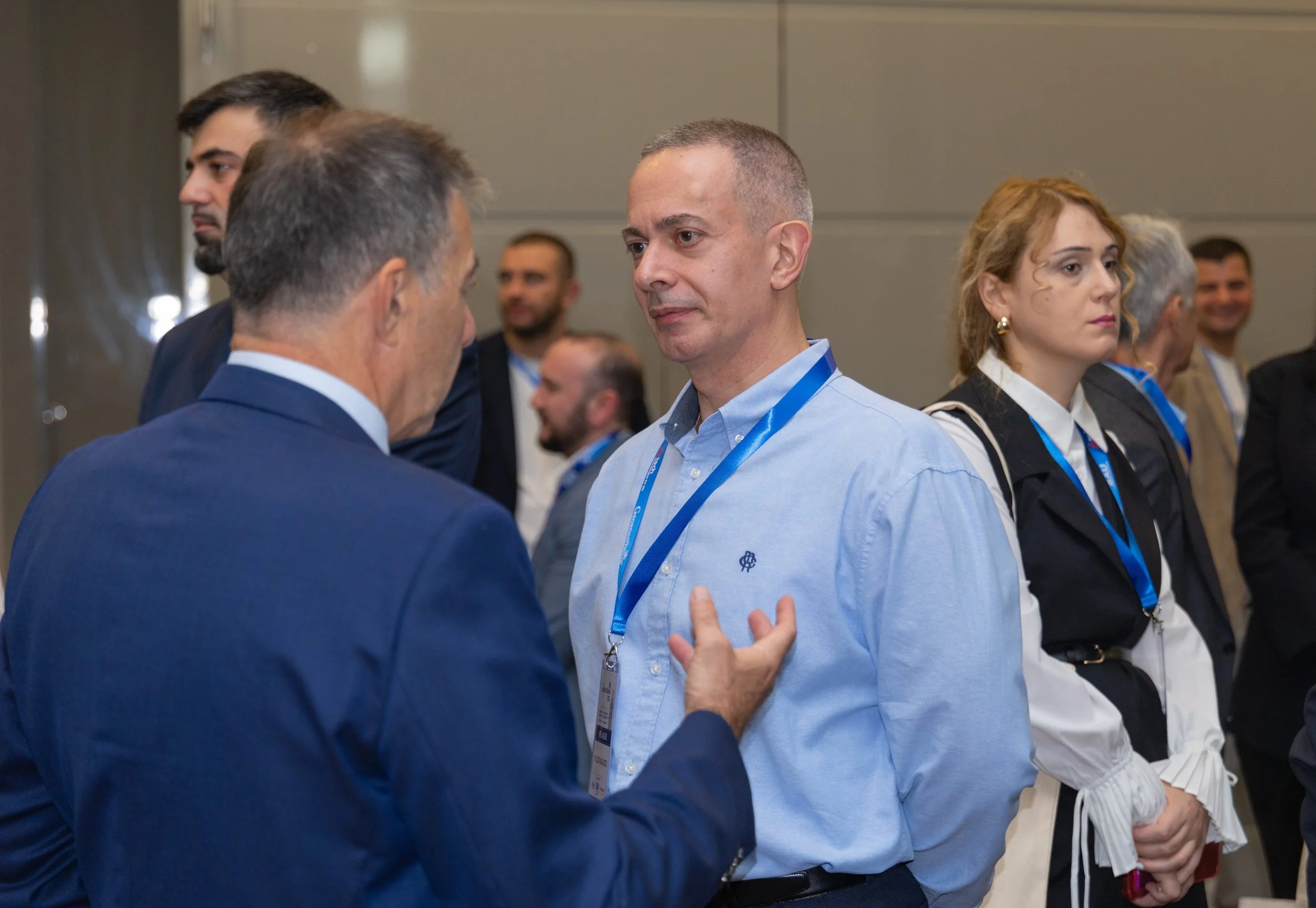
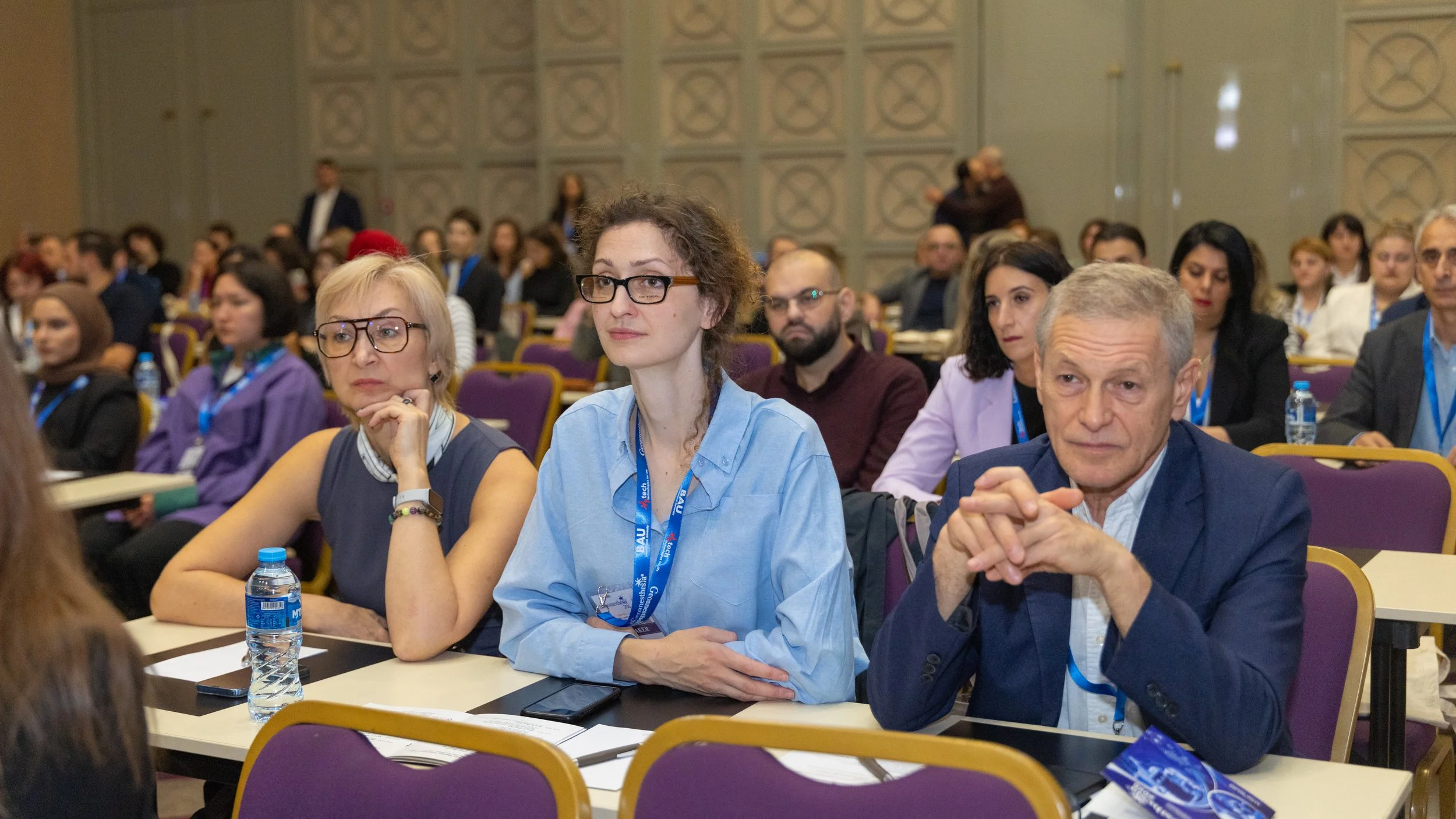
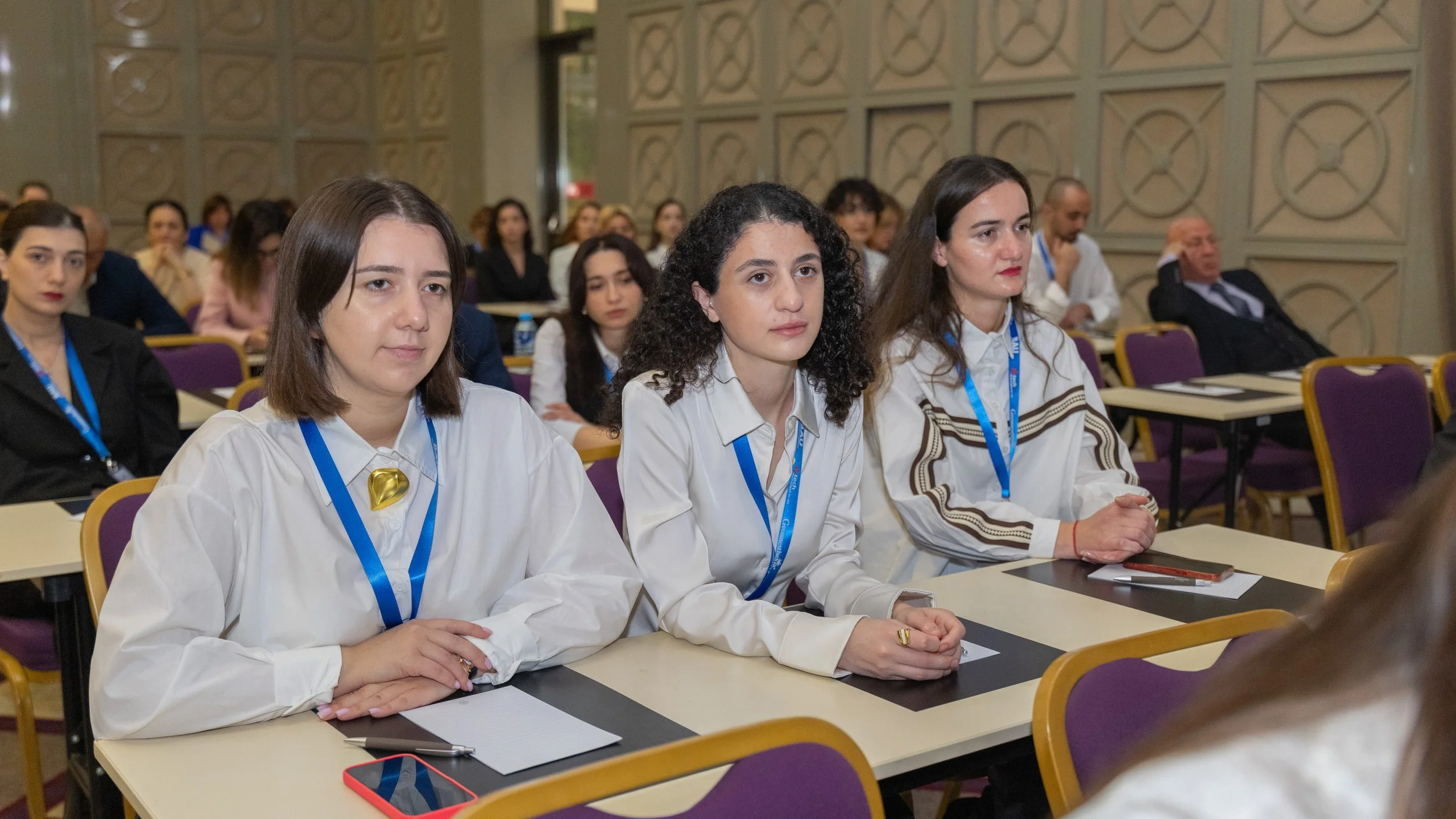
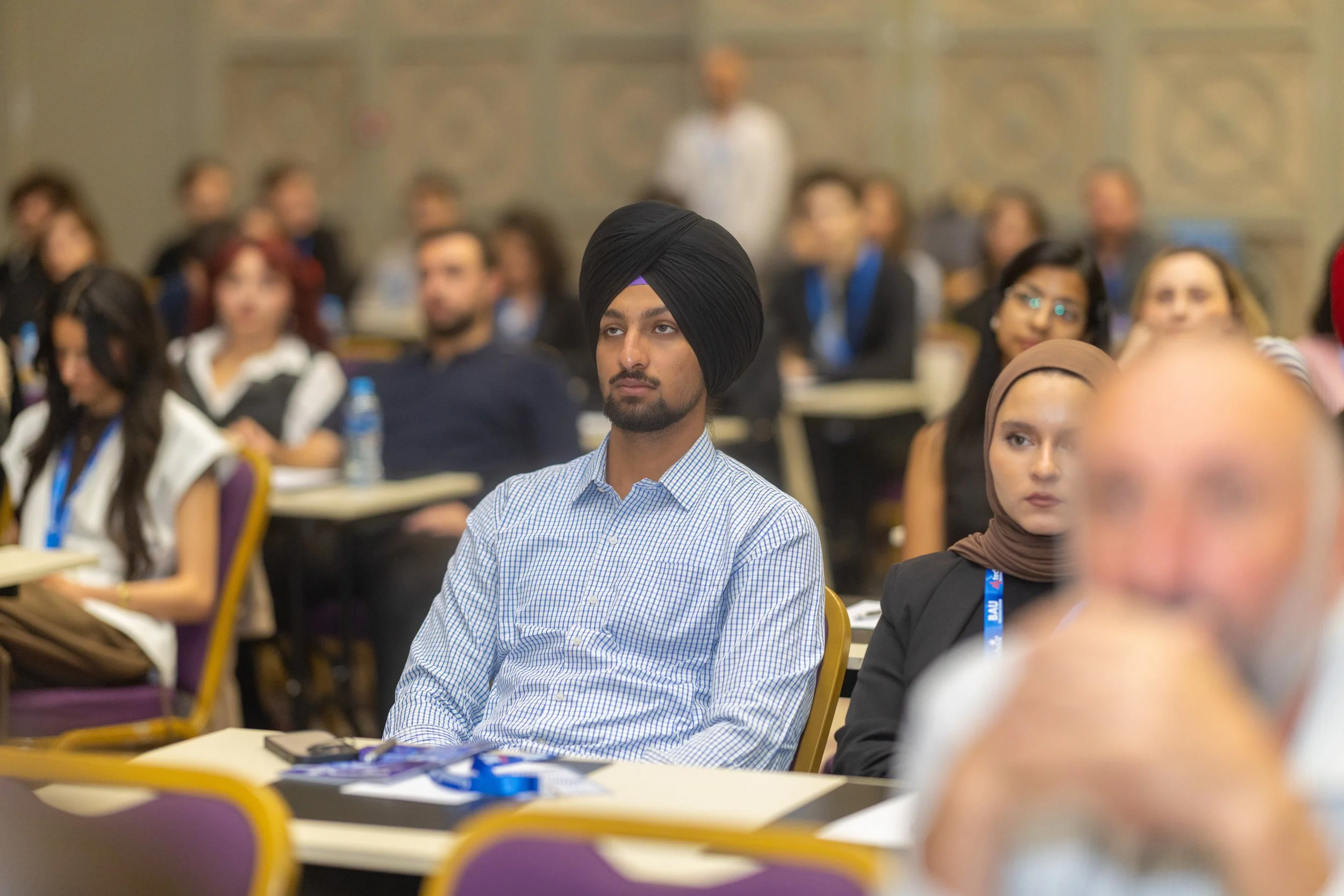
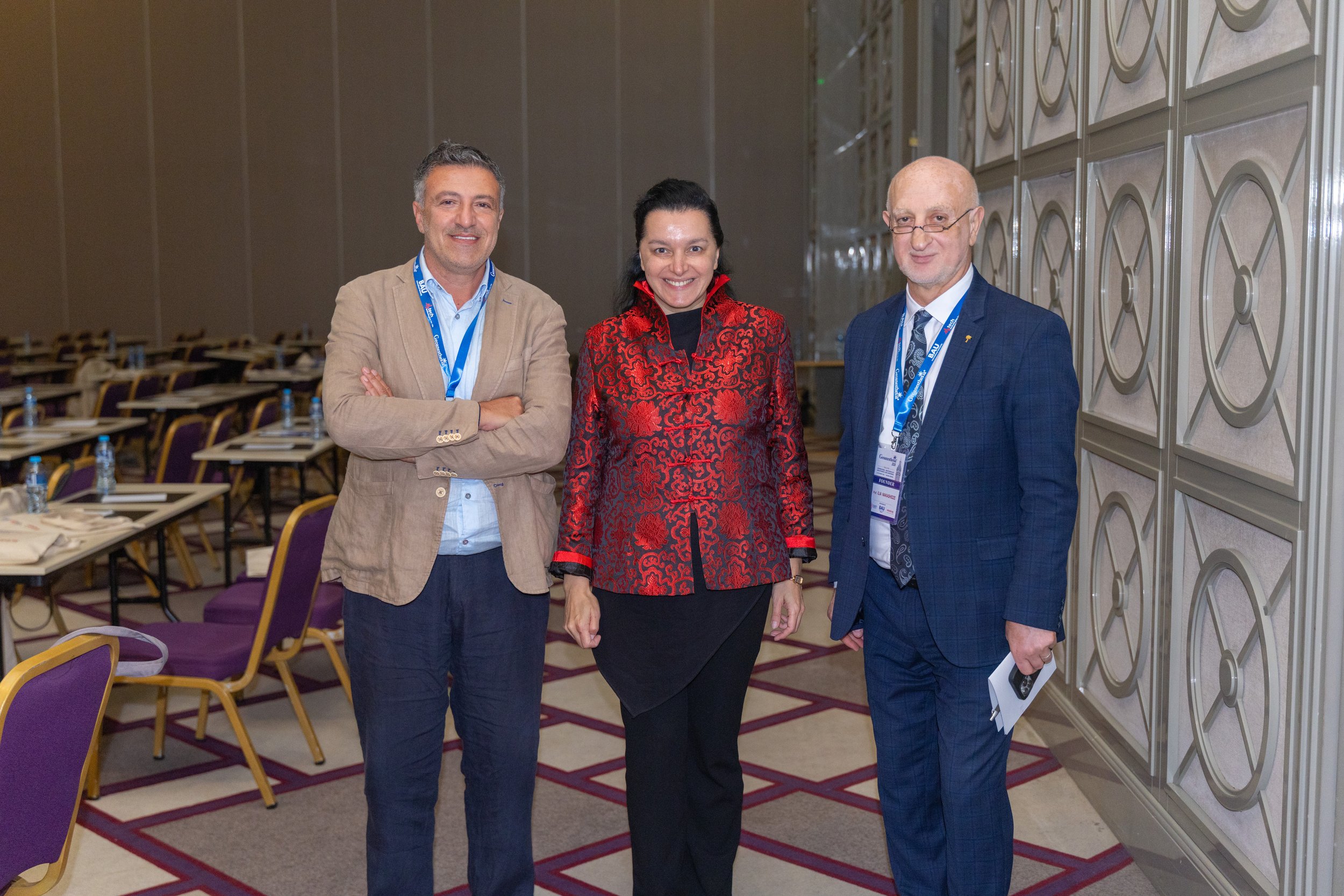
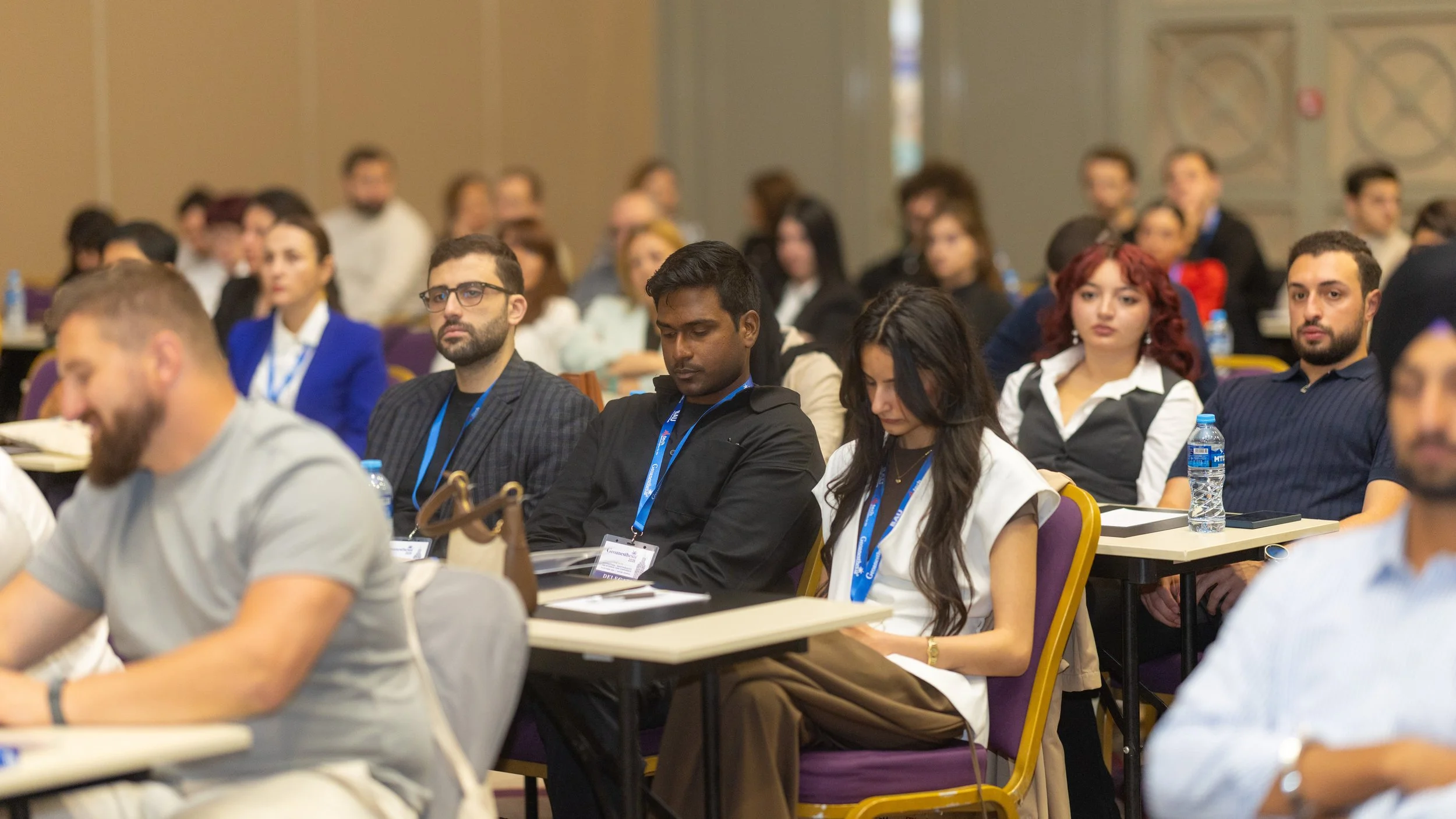
GSA Experts Highlight Advances in Sepsis Care at Geoanesthesia 2026

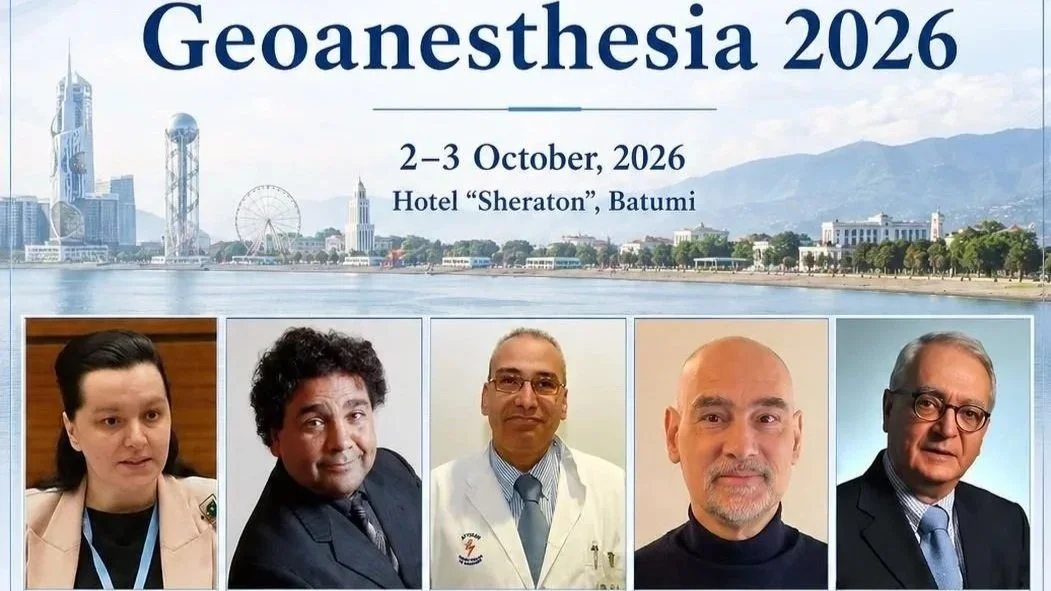
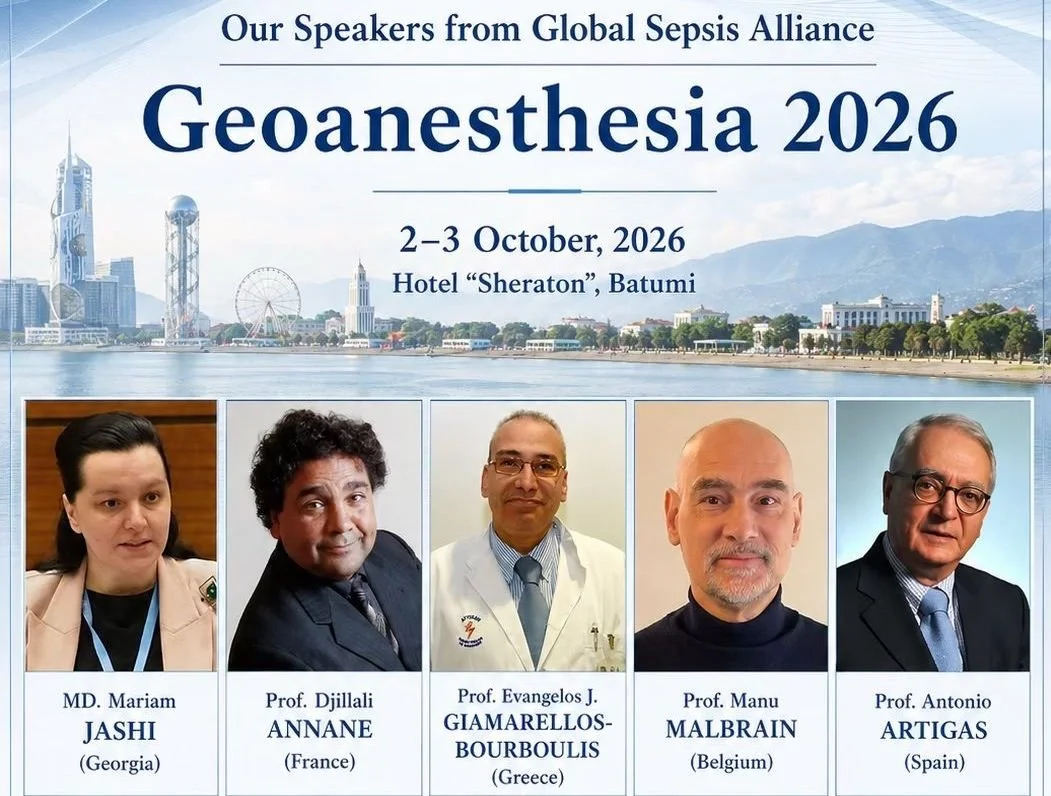
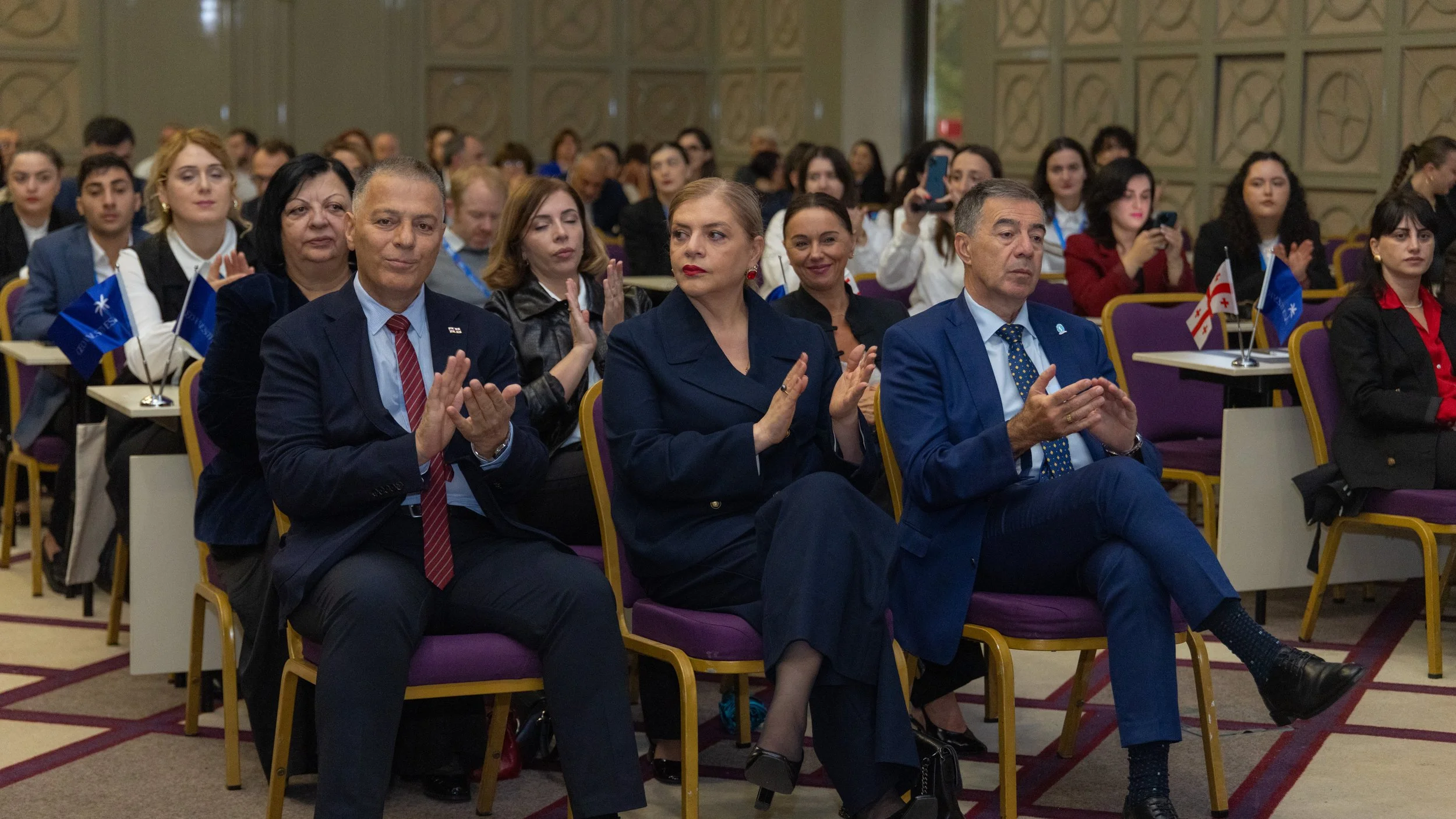
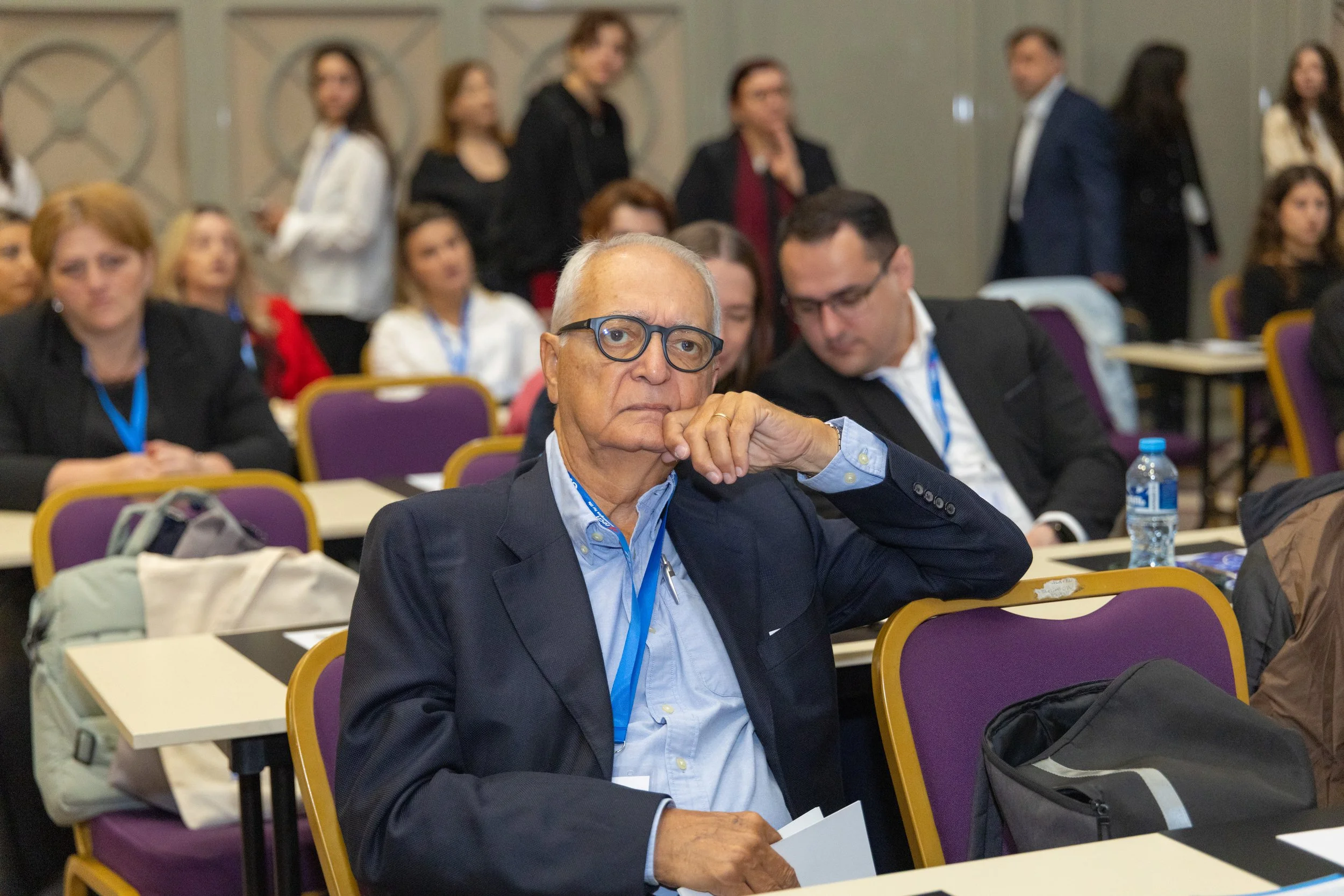
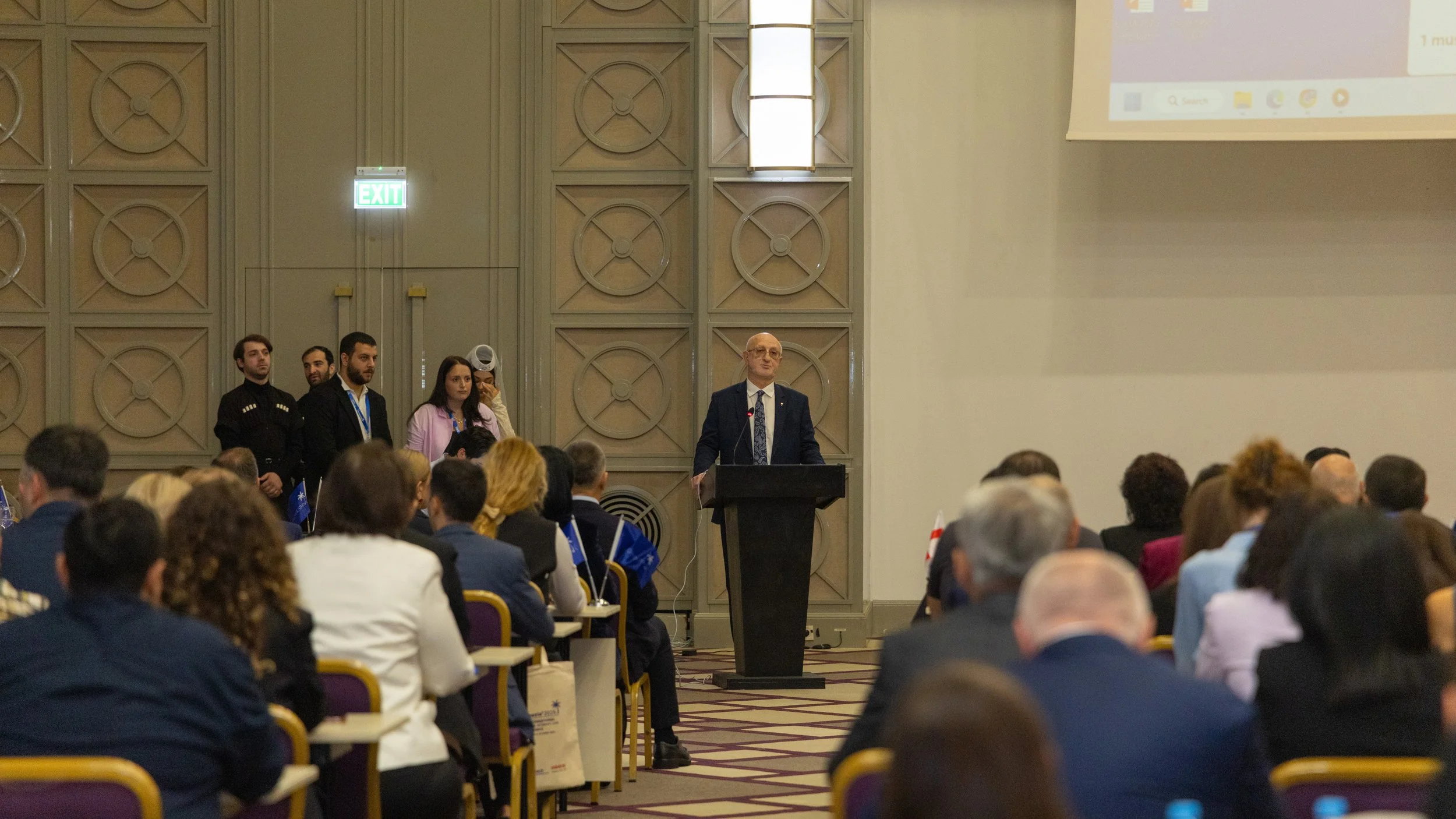
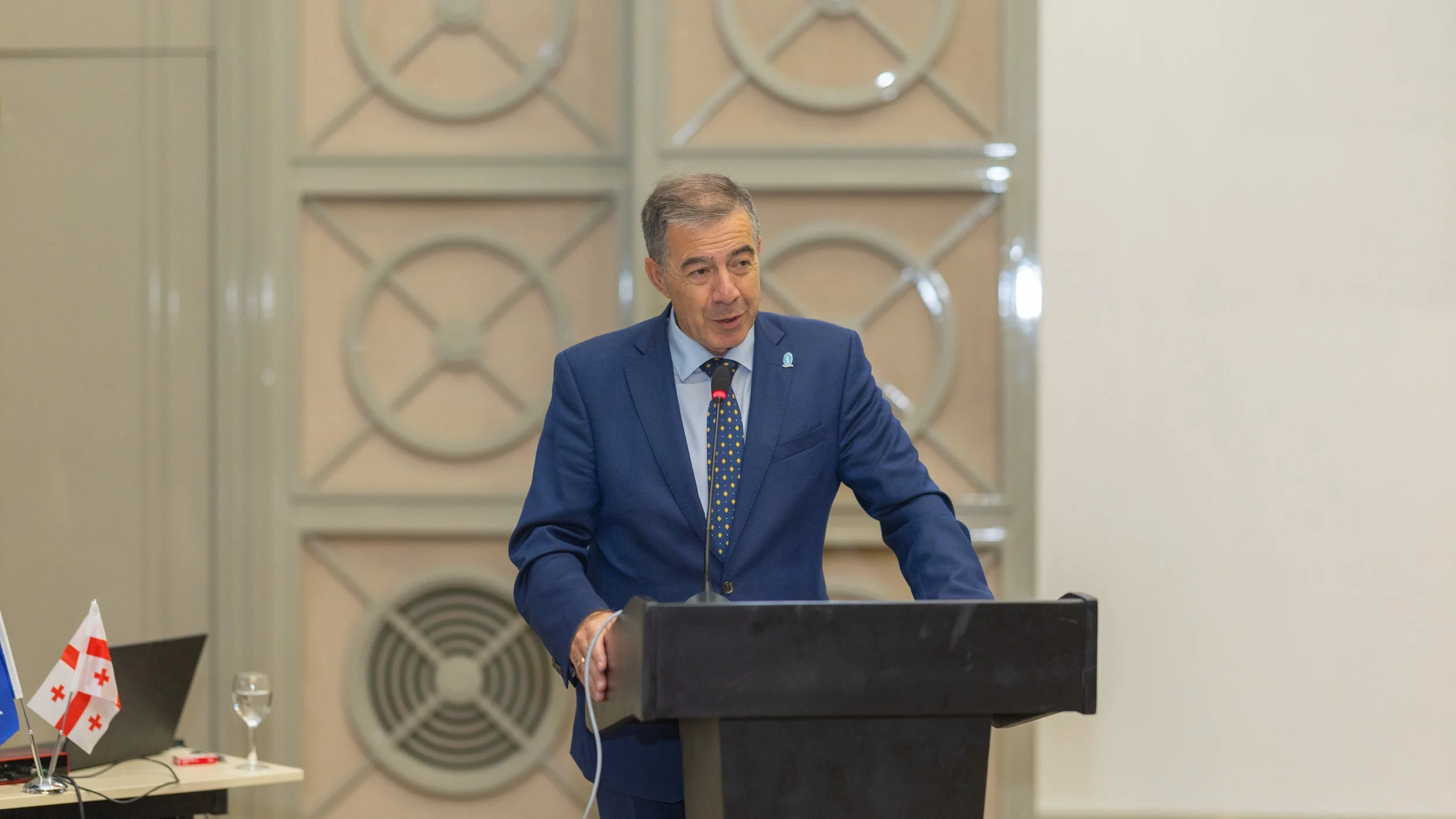
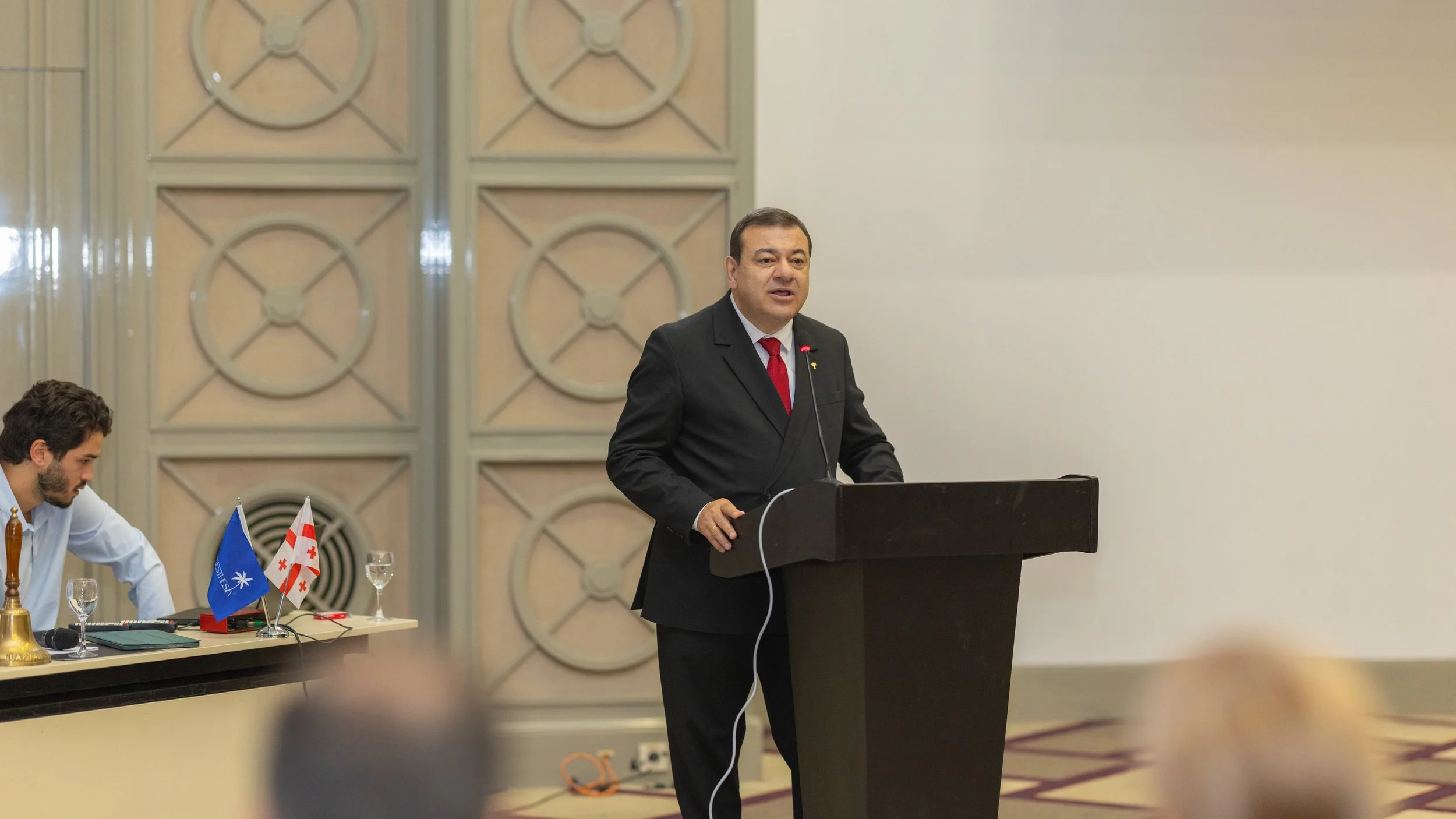
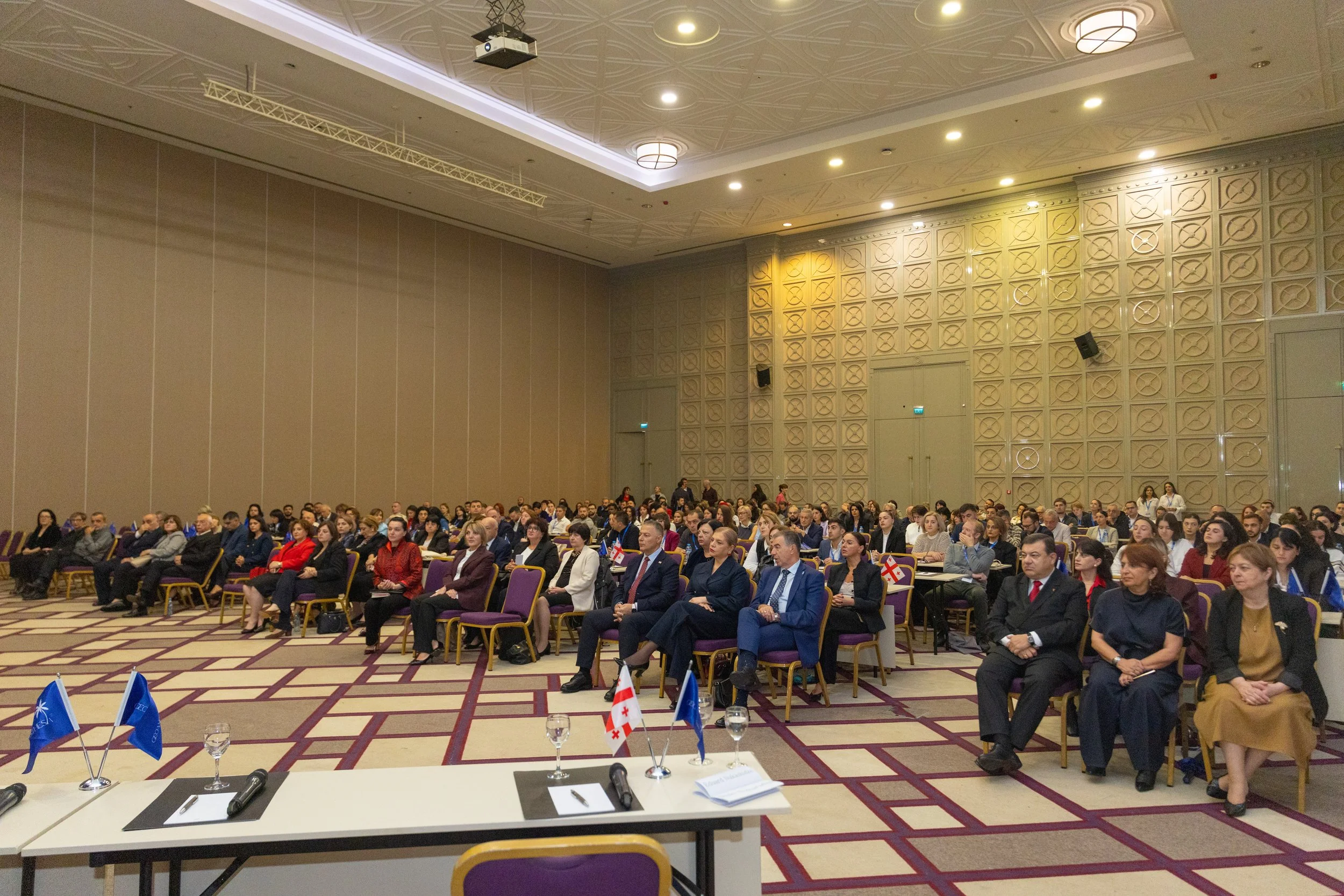
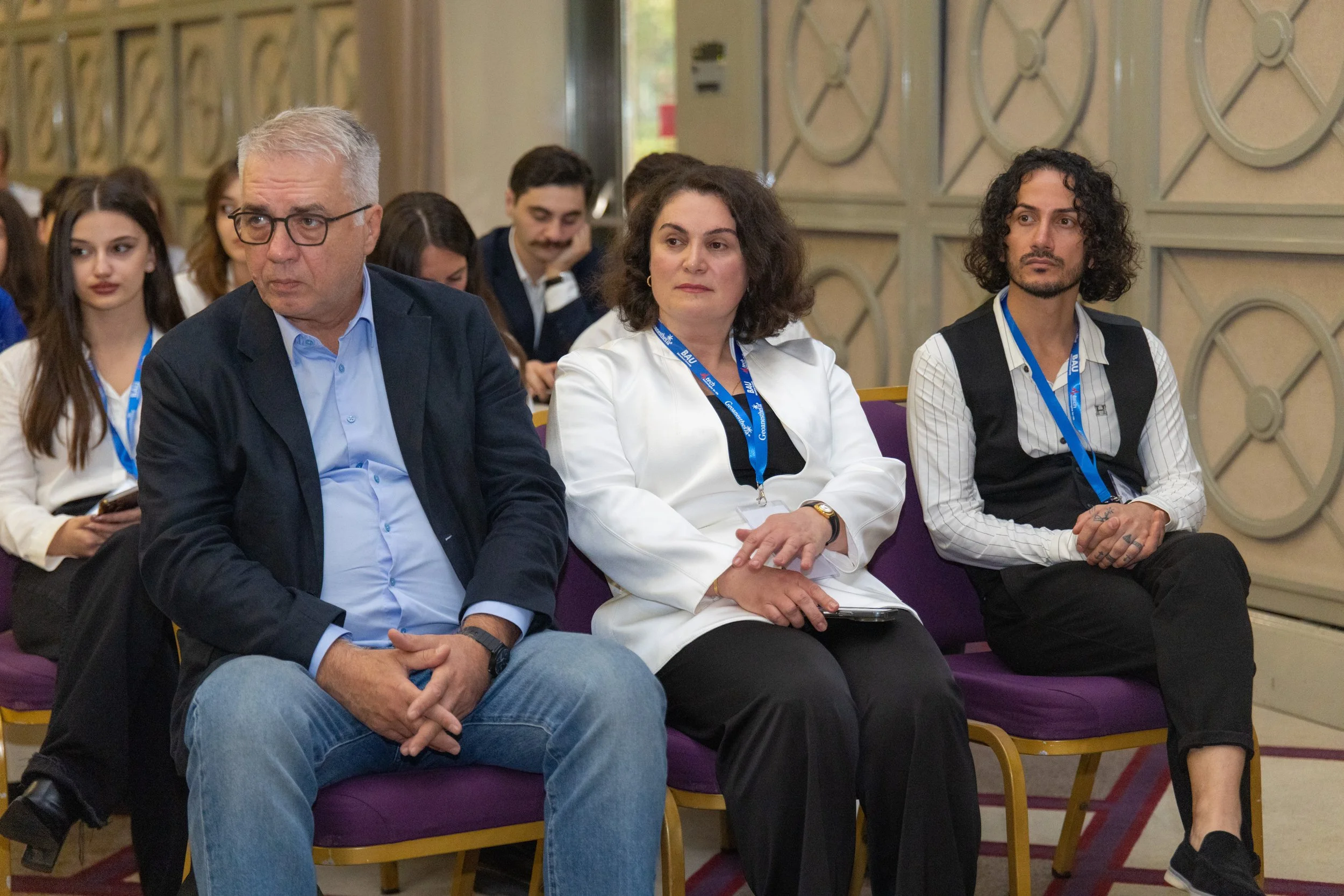
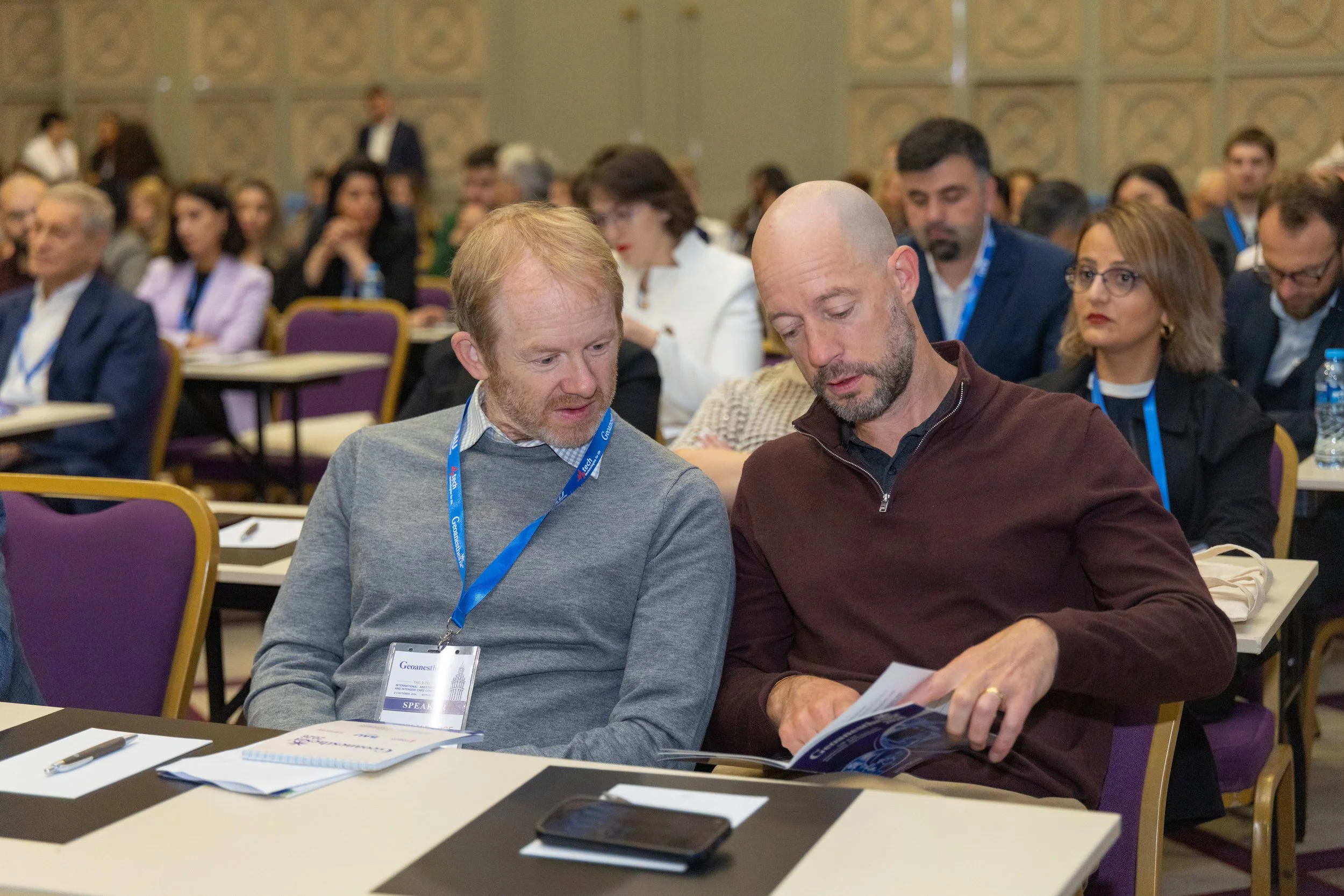
Leading international experts in sepsis, intensive care, and anesthesiology gathered in Batumi, Georgia, for the 9th International Scientific-Practical Conference in Anesthesiology and Intensive Therapy – Geoanesthesia 2026, held on 2–3 October 2026.

Leaders and scientists of the Global Sepsis Alliance (GSA) and the European Sepsis Alliance (ESA), including Dr. Mariam Jashi (Georgia), Prof. Evangelos J. Giamarellos-Bourboulis (Greece), Prof. Djillali Annane (France), Prof. Antonio Artigas (Spain), and Prof. Manu Malbrain (Belgium), made significant contributions to the international scientific program of the conference.

The conference opened with welcoming remarks from prominent healthcare and academic leaders, including:

·       Prof. Ilia Nakashidze – President of Geoanesthesia and Former Vice Speaker of the Parliament of Georgia

·       H.E. Nino Nizharadze - Minister of Health and Social Affairs of the Autonomous Republic of Adjara;

·       Hon. Dr. Mariam Jashi – CEO of the Global Sepsis Alliance, Former Member of Parliament and Deputy Minister of Health of Georgia

·       Hon. Dr. Zaal Mikeladze - Vice Chair of the Health Committee of the Parlaiment of Georgia.

·       Dr. David Sergeenko – Former Minister of Labour Health and Social Affairs of Georgia

·       Prof. Irakli Natroshvili - Rector of Tbilisi State Medical University;

·       Prof. Zaza Bokhua - Head of Continuing Professional Development (CPD), Tbilisi State Medical University, and

·       Prof. Tinatin (Tina) Chikovani - Professor of Medicine and Head of the Department of Immunology, Tbilisi State Medical University

The meeting brought together distinguished clinicians, researchers, and healthcare professionals from Georgia and across Europe to exchange knowledge, discuss emerging scientific evidence, and explore innovative approaches to improving outcomes for critically ill patients.

A major highlight of the conference was its dedicated international scientific program on sepsis, featuring prominent experts associated with the Global Sepsis Alliance (GSA). Their contributions underscored the importance of international collaboration, evidence-based clinical practice, and continued progress toward reducing the global burden of sepsis.

Global Sepsis Alliance Experts at the Forefront of Scientific Discussions

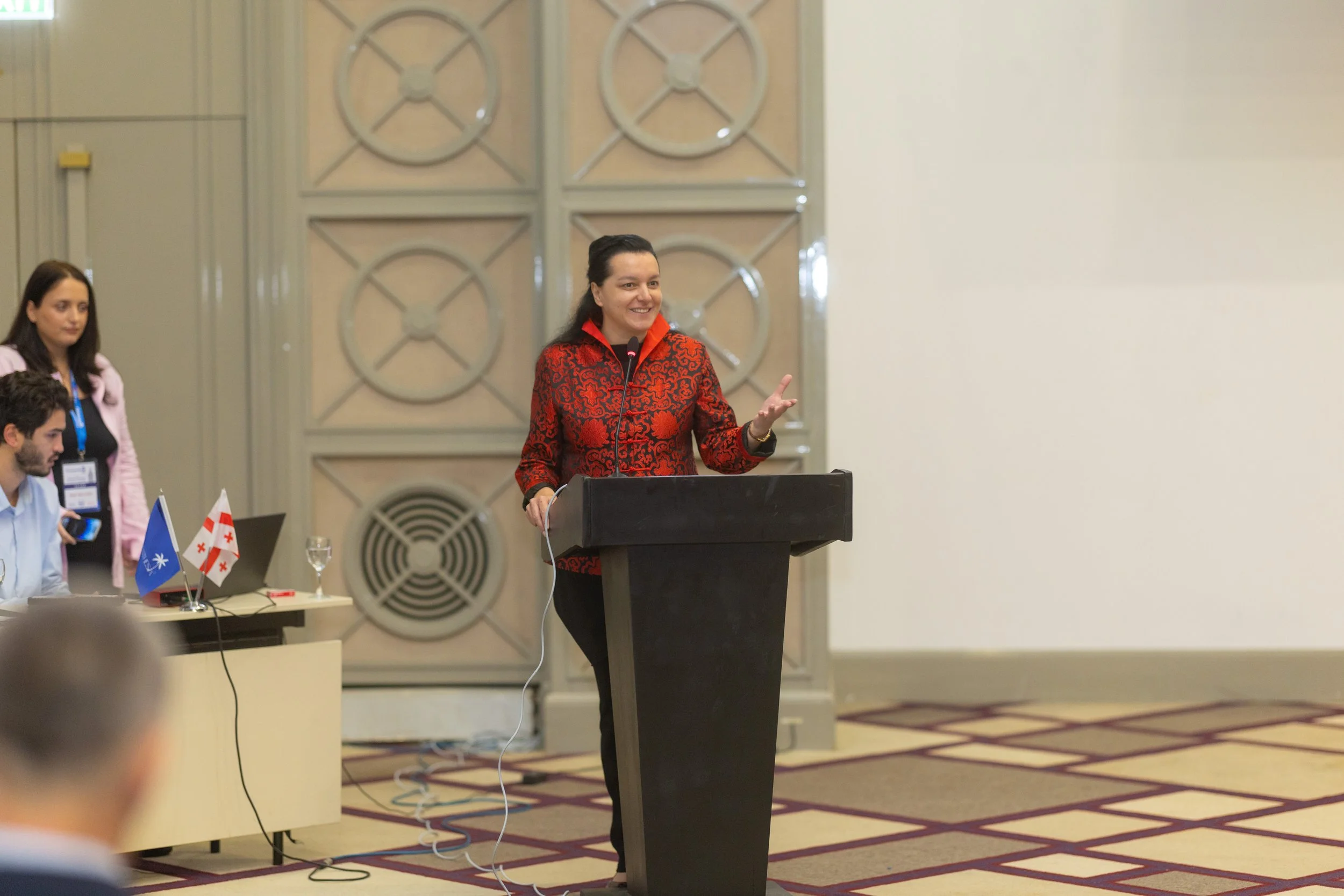
Dr. Mariam Jashi, who also served as a Conference Co-Chair, opened the international sepsis session with a presentation entitled “2030 Global Agenda for Sepsis”. Her presentation placed sepsis within the broader global health agenda, highlighting the importance of coordinated international action and sustained efforts to improve sepsis prevention, recognition, and management.

Prof. Evangelos J. Giamarellos-Bourboulis, Chair of the European Sepsis Alliance (ESA) and GSA Board Member contributed two presentations: “Precision Immunotherapy: An Emerging Hope for Sepsis Management” and “Macrolides for Severe Pneumonia”. His contributions brought attention to innovative treatment strategies and evolving approaches to managing severe infections.

Prof. Djillali Annane, Member of the ESA Executive Committee delivered two important presentations addressing key challenges in sepsis care: “The Use of Corticosteroids in Sepsis” and “Long-Term Sequelae of Sepsis”. These topics highlighted both the complexities of acute sepsis treatment and the importance of recognizing the lasting consequences of sepsis for patients and healthcare systems.

Prof. Antonio Artigas, GSA Board Member and Member of ESA Executive Committee presented “New Insights of Cell Therapy in Sepsis and ARDS”, exploring emerging therapeutic approaches, and “Early Diagnosis of Sepsis in the Emergency Room”, emphasizing the critical role of timely recognition and intervention in improving patient outcomes.

Prof. Manu Malbrain, Vice Chair of European Sepsis Alliance, addressed important aspects of both sepsis treatment and critical care practice through his presentations “The Role for Natural Agents with Anti-inflammatory and Antioxidative Properties in Sepsis? Potential Usefulness of Xanthohumol” and “The Role of Human Factors and Leadership When Implementing Sepsis Stewardship”. His contributions highlighted the importance of exploring novel therapeutic approaches while strengthening clinical leadership and implementation practices.

Advancing Sepsis Care Through International Collaboration

Beyond the contributions of GSA experts, Geoanesthesia 2026 featured a comprehensive scientific program addressing sepsis management, septic shock, emerging biomarkers, organ dysfunction, critical care rehabilitation, and prevention.

Additional presentations explored the Surviving Sepsis Campaign guidelines, extracorporeal life support for refractory sepsis, post-intensive care syndrome, and the challenges of translating scientific advances into everyday clinical practice.

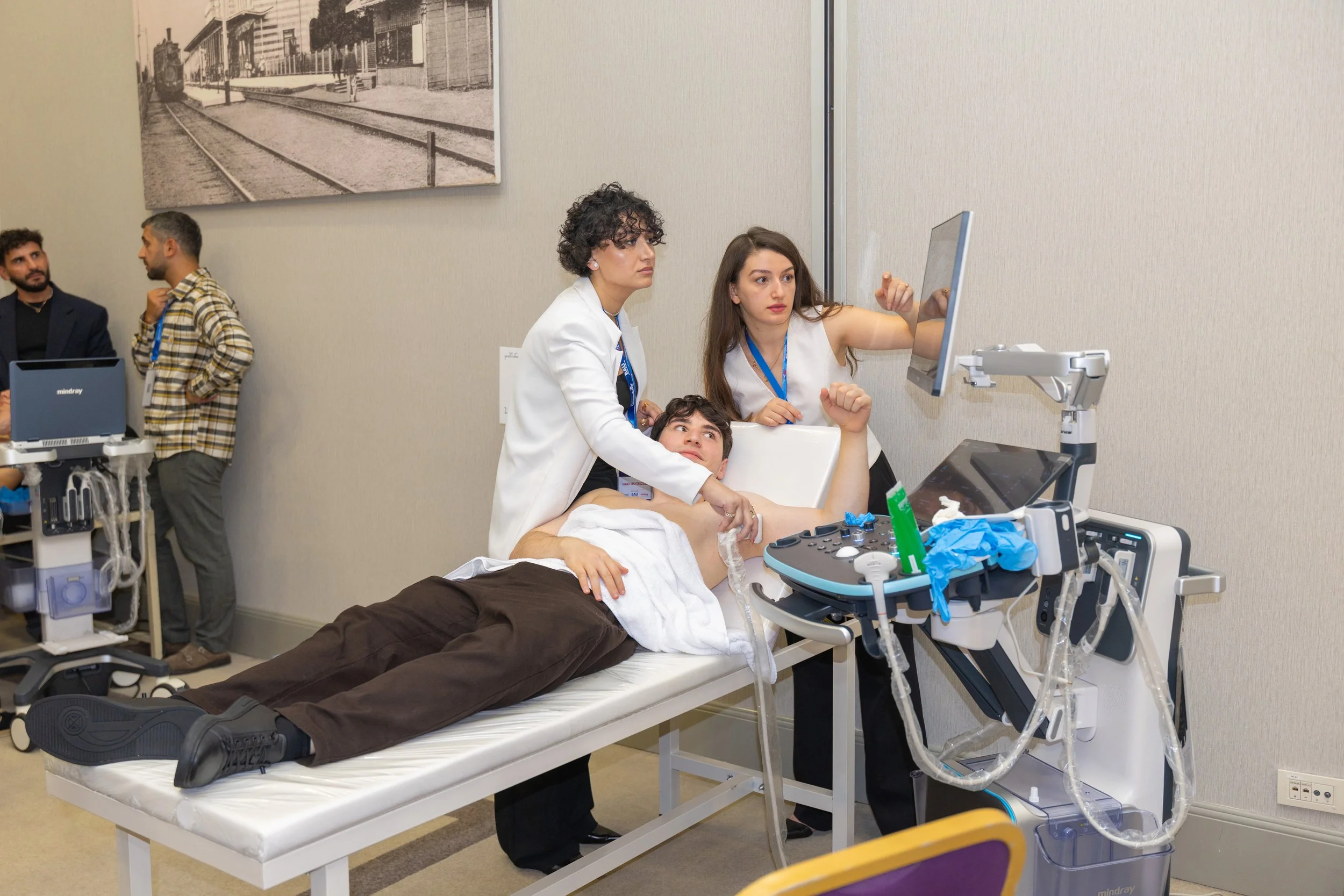
The conference also included parallel scientific sessions dedicated to modern anesthesiology and ultrasound-guided regional anesthesia, providing a multidisciplinary platform for professional education and collaboration.

Strengthening the Global Response to Sepsis

The participation of GSA experts at Geoanesthesia 2026 reflected the importance of bringing global sepsis expertise into regional scientific forums and strengthening connections between international specialists and local healthcare communities.

Through discussions spanning the 2030 Global Agenda for Sepsis, early diagnosis, precision immunotherapy, innovative treatments, long-term outcomes, and sepsis stewardship, the conference highlighted the need for a comprehensive approach to sepsis that extends from prevention and early recognition to acute management and long-term recovery.

The Global Sepsis Alliance welcomes opportunities for scientific exchange and international collaboration that contribute to greater sepsis awareness, stronger healthcare systems, and improved outcomes for patients worldwide.

Simone Mancini
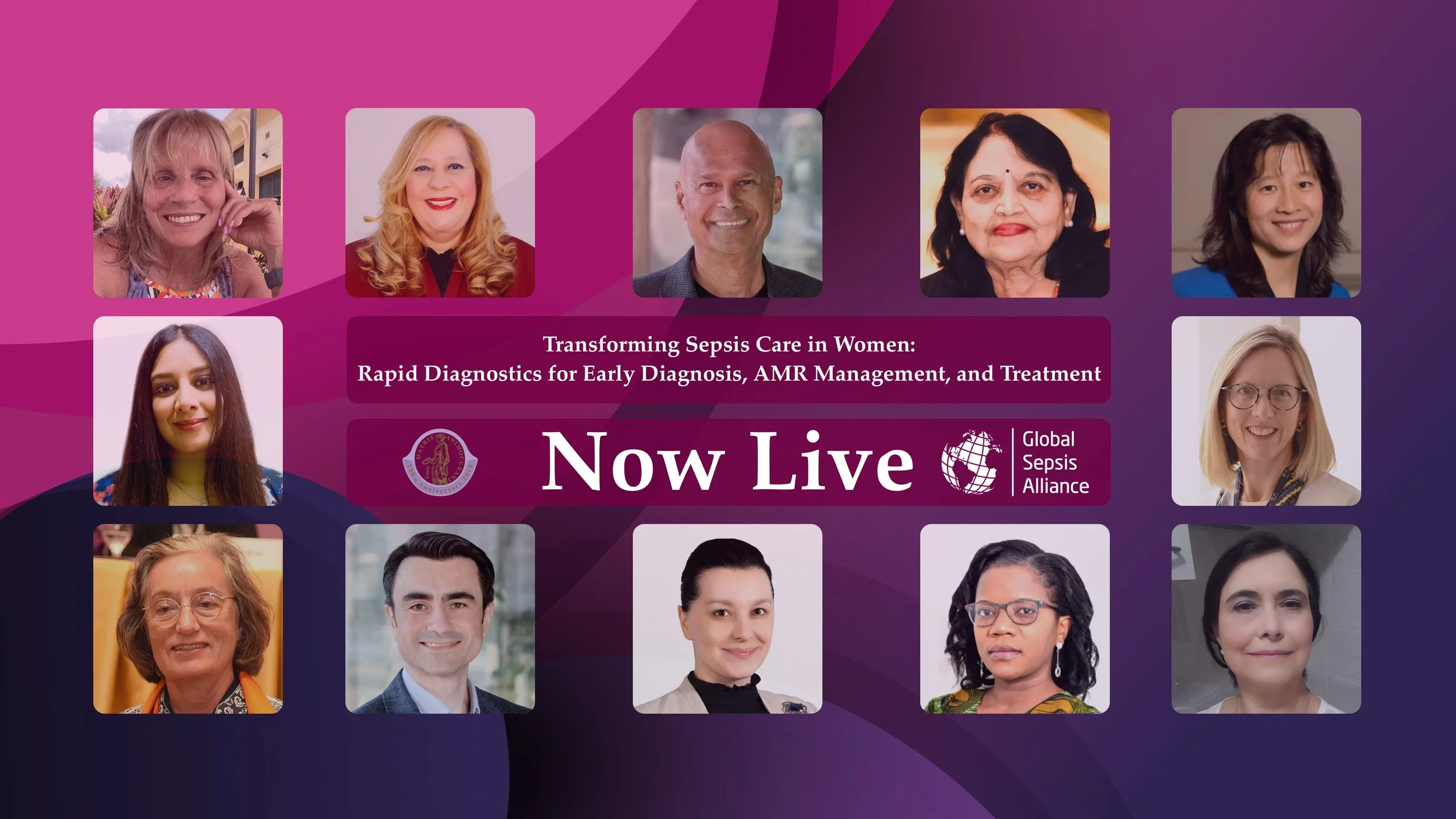
Watch the Recording: Transforming Sepsis Care in Women: Rapid Diagnostics for Early Diagnosis, AMR Management, and Treatment – GSA MWIA Webinar

Update Oct 28: The session has concluded, thank you for joining. You can rewatch it above or on YouTube here, including chapter markers so you can jump directly to the speaker/topic you are most interested in.


The Global Sepsis Alliance (GSA) and the Medical Women’s International Association (MWIA) are joining forces for a global webinar to explore ways to improve sepsis prevention, early diagnosis, and treatment for women and girls. Celebrating MWIA’s 107th anniversary, the event will bring together international experts to discuss the intersection of sepsis, women’s health, rapid diagnostics, and antimicrobial resistance (AMR).

Titled “Transforming Sepsis Care in Women: Rapid Diagnostics for Early Diagnosis, AMR Management, and Treatment,” the webinar will highlight the often-under-recognized impact of sepsis on women and girls throughout their lives, from adolescence and the reproductive years through pregnancy, childbirth, postpartum care, and older age.

Sepsis is a life-threatening condition responsible for an estimated 48.9 million cases and 11 million deaths worldwide each year. Maternal sepsis remains an important cause of preventable maternal morbidity and mortality, underscoring the need for earlier recognition, timely intervention, and effective treatment. Rapid diagnostics and appropriate antimicrobial stewardship are essential to improving outcomes and addressing the growing challenge of antimicrobial resistance.


Sponsored by

We thank bioMérieux for sponsoring this webinar.

Sponsors do not influence the choice of speakers or the content of our events in any way.


An International Program Bridging Research, Clinical Practice, and Advocacy

The webinar will feature expert presentations examining sepsis through the lens of women’s health and global health priorities.

Hon. Dr. Mariam Jashi, CEO of the Global Sepsis Alliance and Secretary General of MWIA, will explore the relationship between women’s health, sepsis, and the 2030 Sustainable Development Goals. Prof. Sheila Myatra, GSA Board Member from India, will examine sepsis throughout the life cycle of women and girls. Prof. Louise Thwaites of the Oxford University Clinical Research Unit in Vietnam will address early detection and antimicrobial resistance stewardship, highlighting the critical importance of timely action to save lives.

A panel discussion moderated by Simone Mancini, Coordinator of Regional Sepsis Alliances at GSA, will bring together MWIA regional leaders to explore key gaps in sepsis prevention, early detection, antimicrobial stewardship, and treatment across different geographical regions.

The panel will feature:

  • Dr. Mandakini Megh, MWIA President-Elect 2025–2028 and President of the Association of Medical Women in India

  • Dr. Eliza Lo Chin, Executive Director of the American Medical Women’s Association and MWIA Treasurer

  • Dr. Joyce Sakala, MWIA Vice President for Near East and Africa 2025–2028

  • Dr. Cornelia Tauber-Bachmann, MWIA Vice President for Central Europe 2025–2028

  • Dr. Fatima Alves, MWIA Vice President for Latin America 2025–2028

The program will also include opening remarks from GSA and MWIA leadership, an audience Q&A, and closing remarks by Prof. Tex Kissoon, President of the Global Sepsis Alliance, and Dr. Amany Asfour, President of the Medical Women’s International Association.


Strengthening Global Action on Sepsis and Women’s Health

This joint initiative builds on GSA and MWIA's global reach and shared commitment to improving health outcomes and advancing advocacy. By connecting clinical expertise, regional perspectives, and global health priorities, the webinar aims to strengthen knowledge of sepsis recognition and management while mobilizing healthcare professionals as advocates and leaders for better sepsis care.

The discussion will also connect efforts to improve sepsis outcomes with the 2030 Agenda for Sustainable Development, emphasizing the importance of addressing sepsis as part of broader action on women’s health and gender equality.

The Global Sepsis Alliance and the Medical Women’s International Association invite healthcare professionals, researchers, advocates, and all those working to improve women’s health to join this global discussion and help advance more equitable, timely, and effective sepsis care worldwide.

Marvin Zick
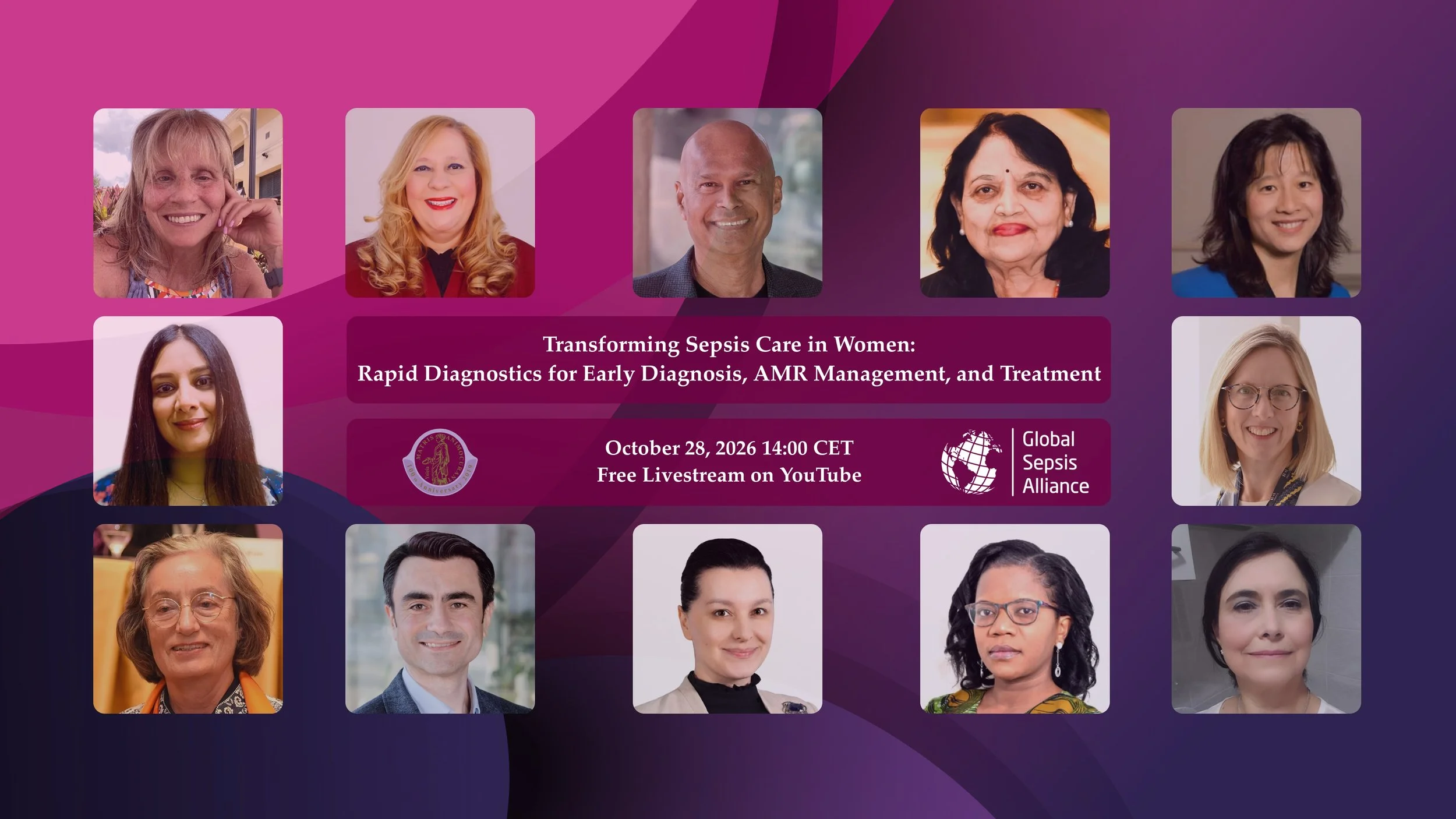
Transforming Sepsis Care in Women: Rapid Diagnostics for Early Diagnosis, AMR Management, and Treatment – GSA MWIA Webinar – Oct 28, 2026

October 28, 2026 | 14:00 CET | Free Livestream on YouTube

The Global Sepsis Alliance (GSA) and the Medical Women’s International Association (MWIA) are joining forces for a global webinar to explore ways to improve sepsis prevention, early diagnosis, and treatment for women and girls. Celebrating MWIA’s 107th anniversary, the event will bring together international experts to discuss the intersection of sepsis, women’s health, rapid diagnostics, and antimicrobial resistance (AMR).

Titled “Transforming Sepsis Care in Women: Rapid Diagnostics for Early Diagnosis, AMR Management, and Treatment,” the webinar will highlight the often-under-recognized impact of sepsis on women and girls throughout their lives, from adolescence and the reproductive years through pregnancy, childbirth, postpartum care, and older age.

Sepsis is a life-threatening condition responsible for an estimated 48.9 million cases and 11 million deaths worldwide each year. Maternal sepsis remains an important cause of preventable maternal morbidity and mortality, underscoring the need for earlier recognition, timely intervention, and effective treatment. Rapid diagnostics and appropriate antimicrobial stewardship are essential to improving outcomes and addressing the growing challenge of antimicrobial resistance.


Sponsored by

We thank bioMérieux for sponsoring this webinar.

Sponsors do not influence the choice of speakers or the content of our events in any way.


Register Now


An International Program Bridging Research, Clinical Practice, and Advocacy

The webinar will feature expert presentations examining sepsis through the lens of women’s health and global health priorities.

Hon. Dr. Mariam Jashi, CEO of the Global Sepsis Alliance and Secretary General of MWIA, will explore the relationship between women’s health, sepsis, and the 2030 Sustainable Development Goals. Prof. Sheila Myatra, GSA Board Member from India, will examine sepsis throughout the life cycle of women and girls. Prof. Louise Thwaites of the Oxford University Clinical Research Unit in Vietnam will address early detection and antimicrobial resistance stewardship, highlighting the critical importance of timely action to save lives.

A panel discussion moderated by Simone Mancini, Coordinator of Regional Sepsis Alliances at GSA, will bring together MWIA regional leaders to explore key gaps in sepsis prevention, early detection, antimicrobial stewardship, and treatment across different geographical regions.

The panel will feature:

  • Dr. Mandakini Megh, MWIA President-Elect 2025–2028 and President of the Association of Medical Women in India

  • Dr. Eliza Lo Chin, Executive Director of the American Medical Women’s Association and MWIA Treasurer

  • Dr. Joyce Sakala, MWIA Vice President for Near East and Africa 2025–2028

  • Dr. Cornelia Tauber-Bachmann, MWIA Vice President for Central Europe 2025–2028

  • Dr. Fatima Alves, MWIA Vice President for Latin America 2025–2028

The program will also include opening remarks from GSA and MWIA leadership, an audience Q&A, and closing remarks by Prof. Tex Kissoon, President of the Global Sepsis Alliance, and Dr. Amany Asfour, President of the Medical Women’s International Association.


Strengthening Global Action on Sepsis and Women’s Health

This joint initiative builds on GSA and MWIA's global reach and shared commitment to improving health outcomes and advancing advocacy. By connecting clinical expertise, regional perspectives, and global health priorities, the webinar aims to strengthen knowledge of sepsis recognition and management while mobilizing healthcare professionals as advocates and leaders for better sepsis care.

The discussion will also connect efforts to improve sepsis outcomes with the 2030 Agenda for Sustainable Development, emphasizing the importance of addressing sepsis as part of broader action on women’s health and gender equality.

The Global Sepsis Alliance and the Medical Women’s International Association invite healthcare professionals, researchers, advocates, and all those working to improve women’s health to join this global discussion and help advance more equitable, timely, and effective sepsis care worldwide.

Marvin Zick
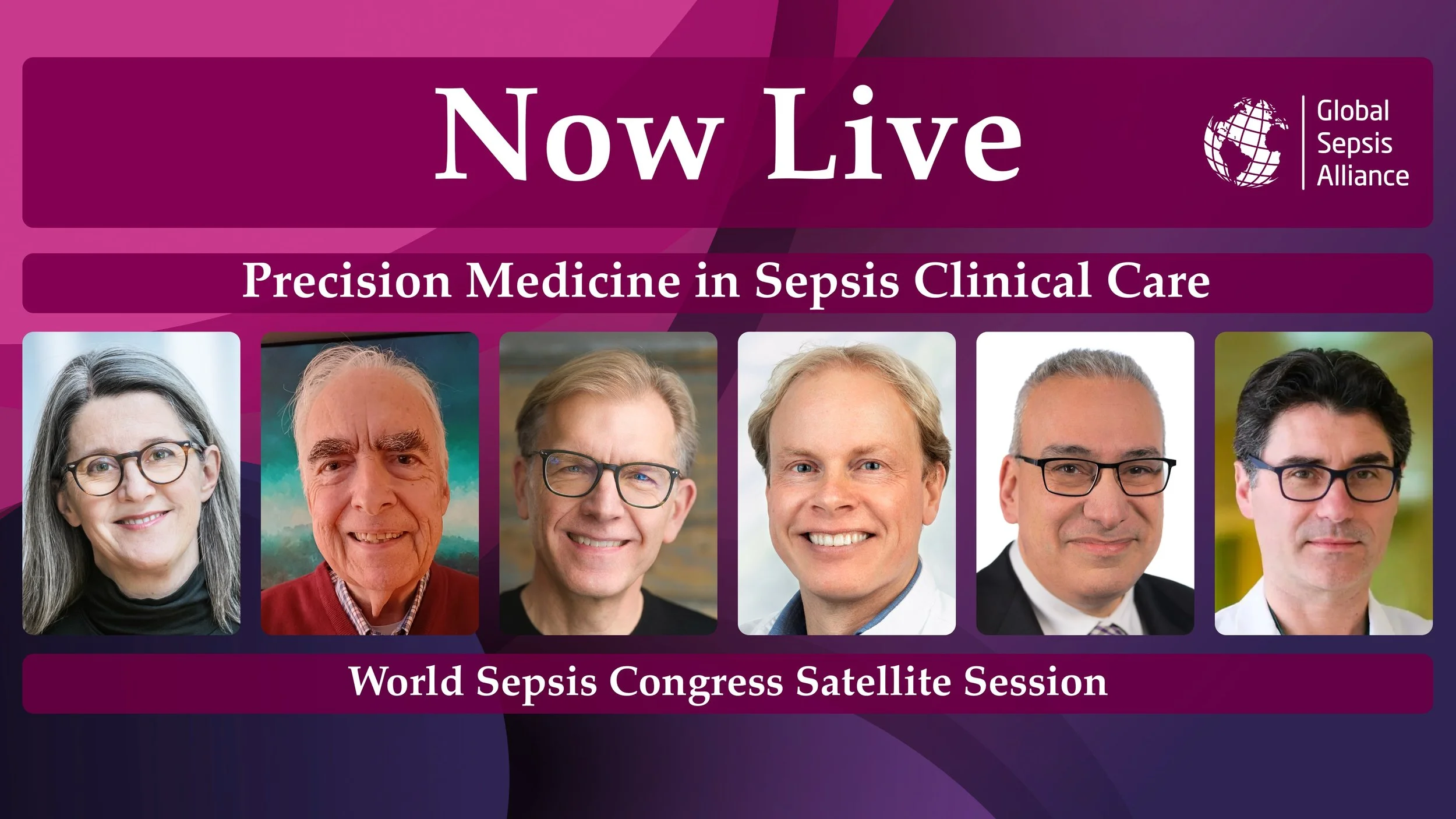
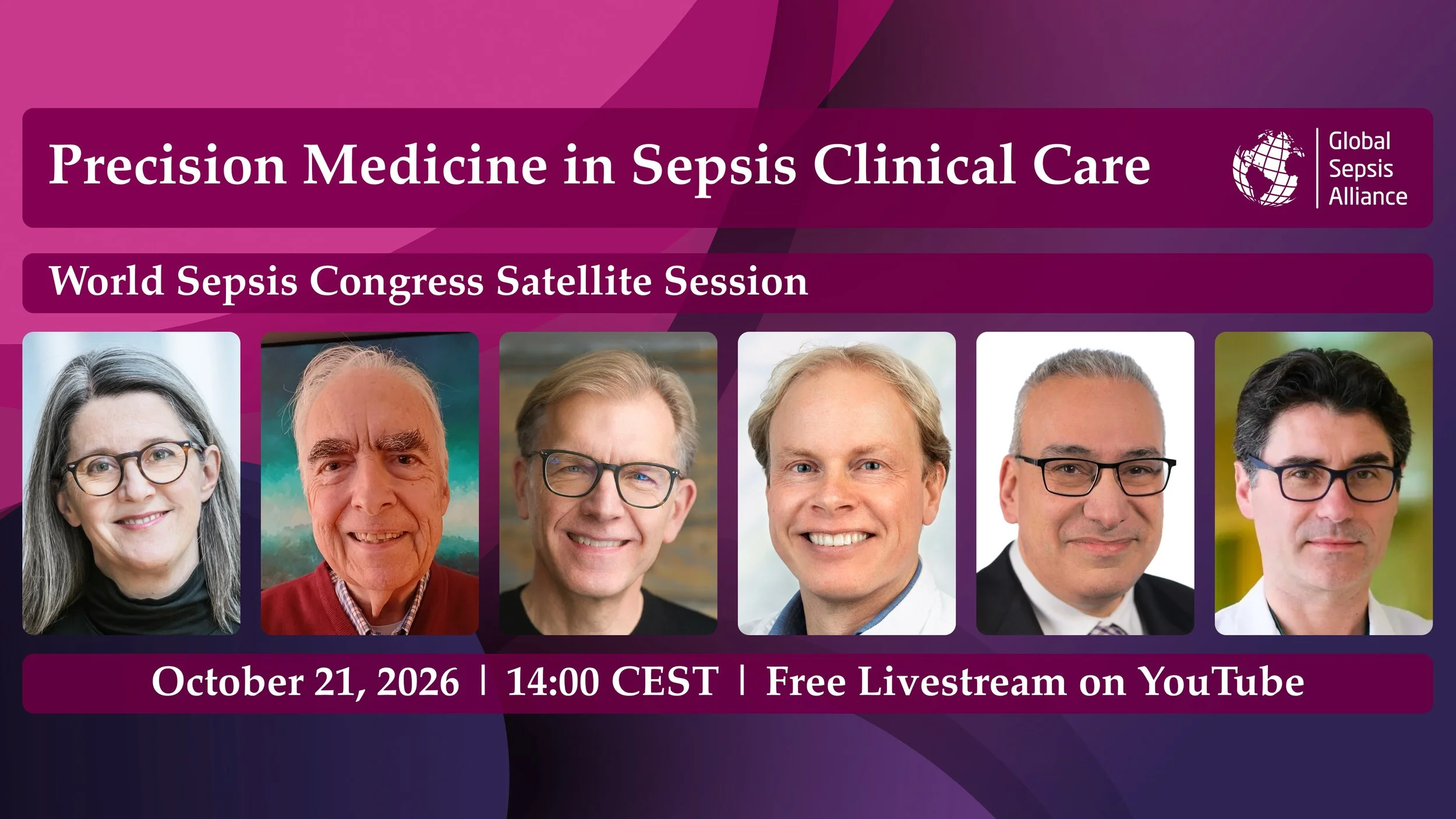
Watch the Recording: Precision Medicine in Sepsis Clinical Care – WSC Satellite Session

October 21, 2026 | 14:00 CEST | Free Livestream on YouTube

Update Oct 21: The session has concluded, thank you for joining. You can rewatch it above or here on YouTube, incl. chapter markers so you can jump directly to the speaker you are most interested in.


How can precision medicine help improve sepsis diagnosis and treatment? On October 21, 2026, the Global Sepsis Alliance (GSA) invites healthcare professionals, researchers, and everyone interested in advancing sepsis care to join a free World Sepsis Congress Satellite Session exploring the role of precision medicine in clinical practice.


Moving Beyond One-Size-Fits-All Sepsis Treatment

Sepsis is a complex condition that affects patients in different ways. Precision medicine offers opportunities to better understand these differences and tailor treatment approaches to individual patients. However, translating emerging scientific evidence into routine clinical practice remains a challenge.

Titled “Precision Medicine in Sepsis Clinical Care,” this satellite session will bring together international experts and a sepsis survivor to discuss the latest developments, clinical evidence, and practical considerations for implementing personalized approaches to sepsis care.

The program will explore the role of biomarkers, immune profiling, and sepsis endotypes in identifying patients who may benefit from specific treatments. Speakers will also discuss the evidence for precision immunotherapy and the challenges of bringing precision medicine into the intensive care unit (ICU).

The session will open with a patient perspective, highlighting the importance of personalized care and the experiences of those affected by sepsis.


Program: International Experts and Patient Perspectives

Moderated by Ulrika Knutsson of Sepsisfonden, Sweden, the session will feature the following presentations:

  • The Patient Perspective: Living Through Sepsis and the Importance of Personalized Care — Michael Clarke, sepsis survivor, Sepsibel, Belgium

  • Why One-Size-Fits-All Sepsis Treatment Is Not Enough: From Heterogeneity to Precision Medicine — Associate Professor Kristoffer Strålin, Karolinska Institute, Sweden

  • Finding the Right Patient: Biomarkers, Immune Profiling, and Sepsis Endotypes — Professor Joost Wiersinga, Amsterdam Institute for Immunology and Infectious Diseases, The Netherlands

  • Precision Immunotherapy in Clinical Practice: What Does the Evidence Tell Us? — Professor Evangelos J. Giamarellos-Bourboulis, European Sepsis Alliance, Greece

  • Bringing Precision Medicine to the ICU: What Would It Take? — Prof. Maurizio Cecconi, Humanitas Research Hospital, Italy

The program will conclude with a Q&A session and closing remarks, providing an opportunity to discuss the implications of precision medicine for sepsis diagnosis, treatment, and clinical care.


Sponsored by

We thank Sobi for sponsoring this WSC Satellite Session.

Sponsors do not influence the choice of speakers or the content of our events in any way.


This World Sepsis Congress Satellite Session will take place on Wednesday, October 21, 2026, at 14:00 CEST. Participation is free, and the event will be streamed live on YouTube.

World Sepsis Congress, organized by the Global Sepsis Alliance, provides free online access to sepsis knowledge and expertise from around the world. Through its congresses and satellite sessions, the GSA brings together international experts and stakeholders to address critical challenges in sepsis prevention, diagnosis, treatment, and care.

Invest in Sepsis. Save Lives.

Marvin Zick
Precision Medicine in Sepsis Clinical Care – WSC Satellite Session – October 21

October 21, 2026 | 14:00 CEST | Free Livestream on YouTube

How can precision medicine help improve sepsis diagnosis and treatment? On October 21, 2026, the Global Sepsis Alliance (GSA) invites healthcare professionals, researchers, and everyone interested in advancing sepsis care to join a free World Sepsis Congress Satellite Session exploring the role of precision medicine in clinical practice.


Moving Beyond One-Size-Fits-All Sepsis Treatment

Sepsis is a complex condition that affects patients in different ways. Precision medicine offers opportunities to better understand these differences and tailor treatment approaches to individual patients. However, translating emerging scientific evidence into routine clinical practice remains a challenge.

Titled “Precision Medicine in Sepsis Clinical Care,” this satellite session will bring together international experts and a sepsis survivor to discuss the latest developments, clinical evidence, and practical considerations for implementing personalized approaches to sepsis care.

The program will explore the role of biomarkers, immune profiling, and sepsis endotypes in identifying patients who may benefit from specific treatments. Speakers will also discuss the evidence for precision immunotherapy and the challenges of bringing precision medicine into the intensive care unit (ICU).

The session will open with a patient perspective, highlighting the importance of personalized care and the experiences of those affected by sepsis.


Program: International Experts and Patient Perspectives

Moderated by Ulrika Knutsson of Sepsisfonden, Sweden, the session will feature the following presentations:

  • The Patient Perspective: Living Through Sepsis and the Importance of Personalized Care — Michael Clarke, sepsis survivor, Sepsibel, Belgium

  • Why One-Size-Fits-All Sepsis Treatment Is Not Enough: From Heterogeneity to Precision Medicine — Associate Professor Kristoffer Strålin, Karolinska Institute, Sweden

  • Finding the Right Patient: Biomarkers, Immune Profiling, and Sepsis Endotypes — Professor Joost Wiersinga, Amsterdam Institute for Immunology and Infectious Diseases, The Netherlands

  • Precision Immunotherapy in Clinical Practice: What Does the Evidence Tell Us? — Professor Evangelos J. Giamarellos-Bourboulis, European Sepsis Alliance, Greece

  • Bringing Precision Medicine to the ICU: What Would It Take? — Prof. Maurizio Cecconi, Humanitas Research Hospital, Italy

The program will conclude with a Q&A session and closing remarks, providing an opportunity to discuss the implications of precision medicine for sepsis diagnosis, treatment, and clinical care.


Sponsored by

We thank Sobi for sponsoring this WSC Satellite Session.

Sponsors do not influence the choice of speakers or the content of our events in any way.


This World Sepsis Congress Satellite Session will take place on Wednesday, October 21, 2026, at 14:00 CEST. Participation is free, and the event will be streamed live on YouTube.

World Sepsis Congress, organized by the Global Sepsis Alliance, provides free online access to sepsis knowledge and expertise from around the world. Through its congresses and satellite sessions, the GSA brings together international experts and stakeholders to address critical challenges in sepsis prevention, diagnosis, treatment, and care.

Invest in Sepsis. Save Lives.

Marvin Zick
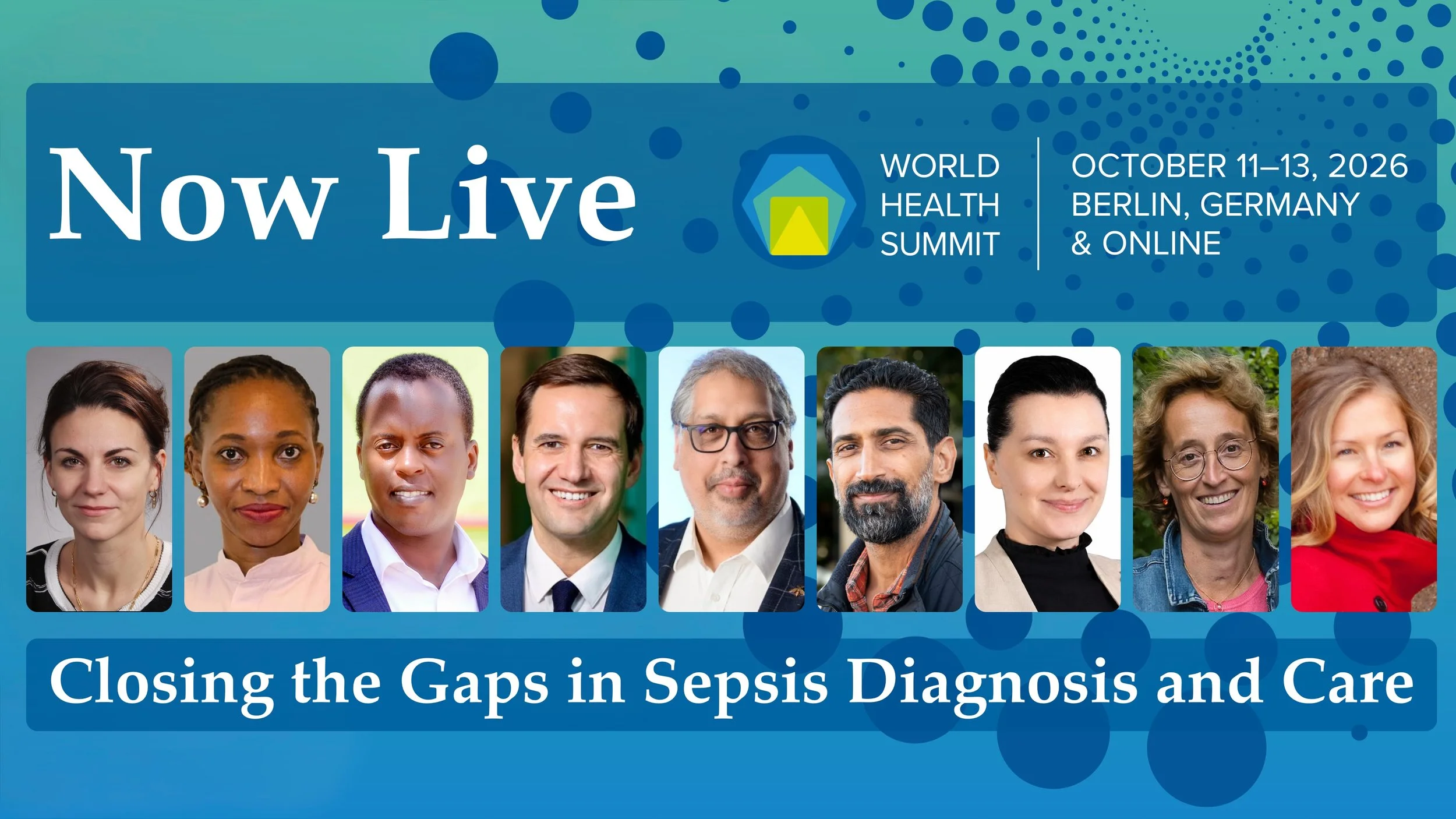
Recording Available: Closing the Gaps in Sepsis Diagnosis and Care – World Health Summit Session

October 13, 2026 | 09:00–10:30 CEST | Berlin & Online

Update Oct 14: The event has concluded, thank you for joining. You can rewatch it above or here on YouTube, incl. chapter markers so you can jump directly to the speaker you are most interested in.


Sepsis remains one of the world’s most urgent global health challenges — yet major gaps persist in early diagnosis, treatment, monitoring, follow-up, policy, and access to care.

At the World Health Summit 2026, the Global Sepsis Alliance – in partnership with STAIRS, the Charité Center for Global Health, the Virchow Foundation, and the Göhde Foundation – will bring together experts, policymakers, researchers, patient advocates, and survivors for “Closing the Gaps in Sepsis Diagnosis and Care: Innovations Across the Patient Care Continuum.”

The session will take place on Tuesday, October 13, from 09:00 to 10:30 CEST in Forum 2 at the World Health Summit in Berlin. It will explore how research, health-system strengthening, advocacy, and lived experience can help close critical gaps across the sepsis care continuum.

The discussion will highlight research from the Sub-Saharan African Consortium for Advancement of Innovative Care and Research in Sepsis (STAIRS), examine the links between sepsis and antimicrobial resistance, and consider policy responses at national and global levels. Patient and survivor perspectives will be central to the conversation, ensuring that action priorities remain grounded in real-world experiences.


Moderators and Speakers

  • Dr. Wiltrud Abels — Charité – Universitätsmedizin Berlin

  • Dr. Ivalda Macicame — Instituto Nacional de Saúde (INS), Mozambique / STAIRS

  • Dr. Aziz Agaba — Uganda National Health and Consumers’ Organization (UNHCO)

  • Dr. Ricardo Baptista Leite — UNITE Parliamentarians Network for Global Health

  • Dr. Nveed Chaudhary — Jibraan Chaudhary Sepsis Research Foundation

  • Dr. Shevin Jacob — STAIRS

  • Dr. Mariam Jashi — Global Sepsis Alliance

  • Ilse Malfait — SEPSIBEL – Belgian Sepsis Survivor and Patient Organization

  • Betsy Trainor — Combating Antibiotic-Resistant Bacteria (CARB-X)

Whether you are attending the World Health Summit in Berlin or joining from elsewhere in the world, everyone is invited to participate – join us in Berlin or tune in via the free livestream above.

Join us as we work together to close the gaps in sepsis diagnosis and care — and turn evidence and innovation into better outcomes for people affected by sepsis worldwide.

Marvin Zick
Sebastian’s Sepsis Story: Septic Shock, Abysmal Odds, and Rebirth

I was fine—or so I thought. “It’s just a cold,” I tried to convince myself while symptoms kept worsening over several days. I was more focused on getting it over with and resuming my planning for an upcoming music tour—something I’d worked for the entire past year.

On a fateful Saturday, I vomited blood—again. I couldn’t breathe anymore, and my fingertips turned blue. My heart was racing, and I couldn’t tolerate any food or beverages. My wife promptly called an ambulance, and I was sent to a local hospital. The situation escalated rapidly, and they couldn’t stabilize me. The last thing I remembered was being on an oxygen mask. Then, everything went black.

That same night I was transferred to a major hospital because my condition was critical. They took me via helicopter—there was no time for an ambulance. I was connected to an ECMO machine, which is basically an artificial heart and lungs, with a very poor prognosis, and in a coma.

I went into septic shock due to a very aggressive strain of Streptococcus pyogenes, and my body was literally destroying itself. Blood poured from my pores as if I were a fountain. I was swollen like a balloon. My wife was told my survival was a matter of what happened in the following hours.

I woke up about a week later.

As I was trying to make sense of what was going on, strange things began to happen around me. At night, the staff engaged in strange rituals of which I was a part, sometimes with abysmal consequences for me. I was taken outside in the cold to be left for dead, injected with a deadly substance, forced to take part in a perverse “game”, and much more.

Every night was a fight for survival. Nobody understood me, and I felt as helpless as I never imagined I would be. It took an enormous toll mentally and emotionally to see the people that were supposed to help me become my potential executioners. Whether it was reality, medications, fever, or the destruction that was ravaging me, it was as real to me as I’m now alive and writing this.

But I always knew I was going to survive, no matter what. And that gave me strength to endure what was happening inside of me as well as outside.

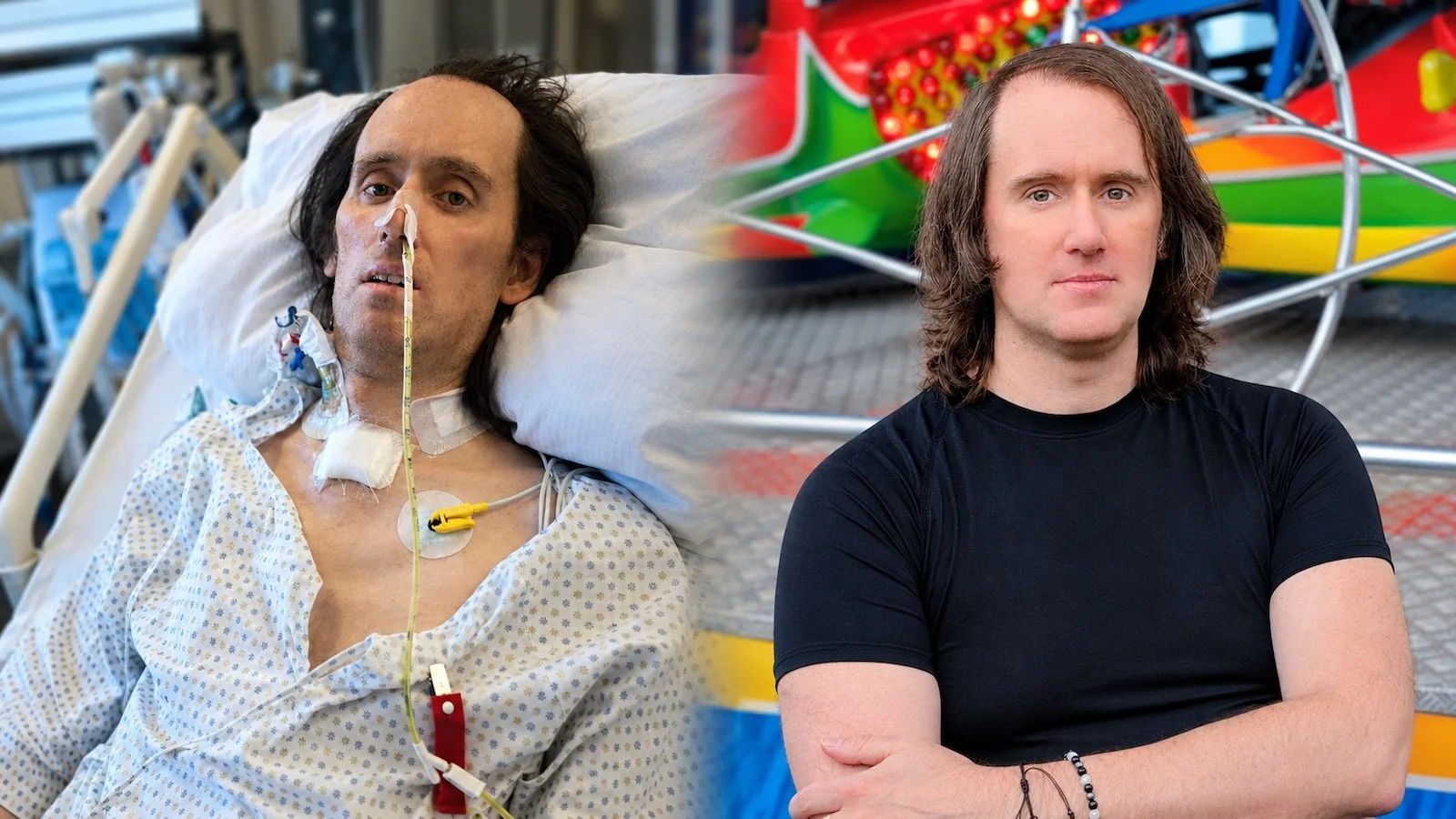
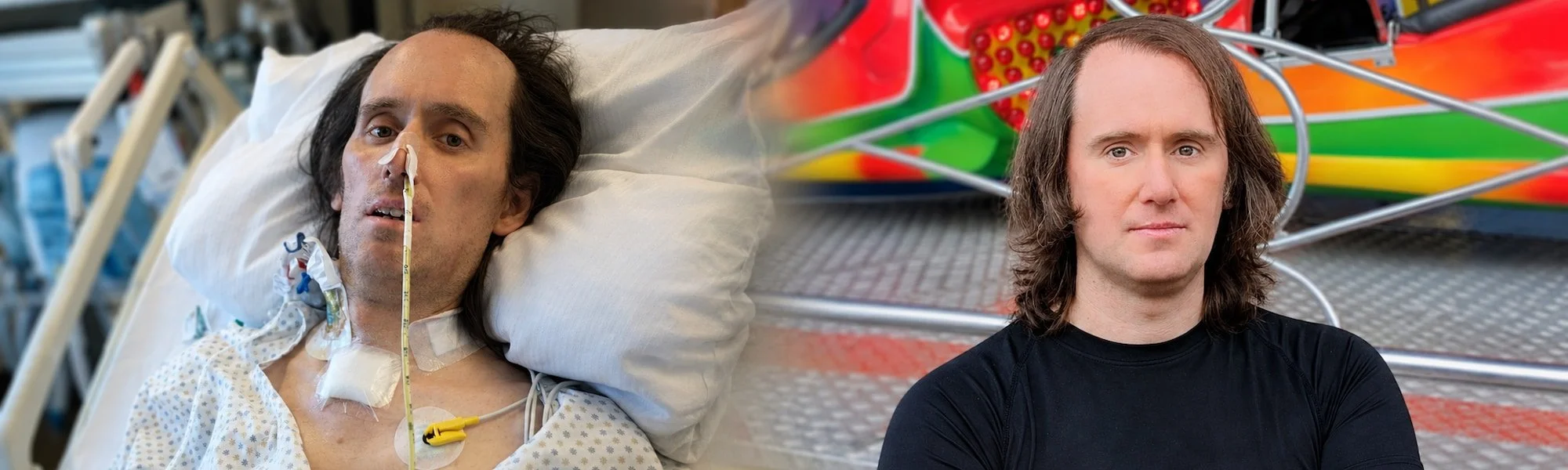
I lost twenty kilograms due to hypermetabolism—my body was destroying muscular tissue everywhere to get energy for survival. I couldn’t lift my arms, close my mouth or eyes, lost my hair, and my face looked like death itself.

Some weeks went by with sequences of improvement and then worsening, and then the worst thing happened: my appendix ruptured, resulting in a massive four-quadrant peritonitis. I was taken for emergency surgery in a critical condition, but it was either that or letting me die.

In the hours before the surgery, as my body was preparing for the worst, I was in a different world. I was at one side of a valley, with all my ancestors, clashing against what would be best described as forces of evil. Sometimes, I was floating above a river of fire separating dead land from a prairie. Victory—I knew—would be ours, but I’d have to endure the ordeal nevertheless.

My intestines were in such a poor state that, besides the original peritonitis, I had ruptures all around. The surgical team was faced with what is considered the most catastrophic scenario for any abdominal surgery, and they got me through. They were heroes.

However, unbeknownst to me, they’d performed an ileostomy; that is, they left part of the small intestine protruding from my abdomen to collect feces. My large intestine had been disconnected.

I woke up in the surgical ward to a very friendly nurse, and even though I was under the same types of drugs, all those ritualistic sessions stopped. I was more or less in a better state of mind than before, until I discovered what they did to my abdomen. Then I flew into a frenzy, and they not only had to sedate me, but also tie me up.

Even though everything was eventually explained to me and I felt devastated by it, my optimism never went away. I knew all of it was a test set forth by destiny, God, the Universe—whatever name it may have. And that I would succeed because of a series of incredible situations I experienced some time before it all happened.

Nobody understood how I could be so dismissive of the gravity of the situation—they mainly thought I was either insane or so drug-ridden I had no idea what was going on. I made jokes, became friends with the surgical ward team, and was led from one surgery to another with the conviction that I’d always get it through.

The outside world didn’t agree, however. Even though it was almost a miracle I was alive, they said my recovery would take years. I would be—at the very least—until the end of the year in a rehab clinic, possibly more.

I told my wife, “I’ll be back home before the summer is over.” It was mid-spring. She looked at me with pity.

I was so sure of what I was saying and how it differed from what everybody else thought that I had to “pretend to be reasonable” to reduce suspicions around my state of mind.

Many terrible things followed, which accelerated my decline. They all thought I had suffered too much, and that there was little fight left in me. However, my belief—or better said, knowledge—that I was going to survive prevailed, and I got better. Enough, apparently, that they decided to transfer me to a rehab clinic: that was the biggest blow of all.

I was in no condition for it and, three days later, they sent me back to the hospital. It was, once more, devastating, much like a nightmare that never ends. But the team was hellbent on getting me in shape, or else. And then, a bronchoscopy—my third one—changed everything. I felt I could breathe again. For the first time, I could physically feel I was truly getting better.

One week later, I went back to rehab, by mid-April. There, my wife was told it’d take about three months to know what was recoverable. She never told me that, but I would’ve laughed if she did. After all, I’d be out of there before the end of the summer. Even then, reality seemed to point the other way around: I couldn’t stand up, walk, eat, or drink; my voice was destroyed—which affected me profoundly as a singer—and I was severely malnourished. My lungs were filled with mucus and had to be suctioned regularly because I couldn’t cough.

Nevertheless, my progress astounded everyone. Soon enough, I was out of the ICU, in rehab, and into intermediate care. Little by little and with the help of everyone, I started to get out of bed. To sit. To stand on the floor. Then, my first step. Then, a sip of water. Then a bite. I was truly being reborn, cell by cell, action by action.

In no time I was lapping around the service with the help of a rollator and becoming friends with the nurses and therapists. I felt pampered by everyone there, who confessed they were surprised at my recovery.

On June 24th—just three days after the astronomical summer had begun—I was back home. Gone were the “years” of rehab and that three-month assessment of what would be recoverable: my promise was fulfilled. But a long road to recovery was still ahead.

I was determined to get my reconnection surgery as soon as possible, that is, reattaching the small and large intestines to truly become myself once more. The medical team advised caution and that under no circumstances would they perform it before one year had passed. Besides, I’d have to be in an optimal state for such a procedure.
I immediately started outpatient physiotherapy, ergotherapy and speech therapy. I regained my weight, improved my mobility greatly—and dispensed with my wheelchair—, improved my voice considerably, and, to everyone’s disbelief, I was doing a lot better than every prognosis that was thrown around. In fact, I had about a one-percent chance of getting out of it both alive and as an independent being.

Although everything in my body needed recovering, some interesting things started happening as well.
Everyone around me got sick, and I didn’t get anything. I didn’t feel tired or depressed. I wanted to get on a rollercoaster by early August—my wife wouldn’t let me.

I went back to the hospital for studies. Doctors were deeply impressed by how I looked, hugging me in the best example of what everyone involved were: human beings learning from an incredible, extreme experience.

By December, I received a phone call from the hospital. They scheduled my reconnection surgery for February 24th, exactly one year after the initial surgery took place. Hesitantly, I decided to go through with it—by then, I had internalized that the ileostomy had become a part of my life.

This surgery had a profound symbolic meaning: it was finally reconnecting with myself, back to being one.

And so it happened. However, what would be a less-than-one-week hospital stay turned out to be three weeks and two surgeries. Then, it was finally over. I was back. Battle-worn but ready to come out of this experience with a profound new perspective on life and things.

I became stronger, wiser, and resilient. I went to the absolute abyss and came back to share what I learned with the world.
I’m now writing a book about my experiences—the first of at least two—and trying to reach out to those in need. Sometimes the worst wounds aren’t physical, and most people can’t even grasp how deep this truth really goes. I’m also looking for ways to help people go through these ordeals in life, be it health-related or otherwise.

If you’d like to reach out, please send me an email.


The article above was written by Sebastian Schneider and is shared here with his explicit consent. The views in the article do not necessarily represent those of the Global Sepsis Alliance. They are not intended or implied to be a substitute for professional medical advice. The whole team here at the Global Sepsis Alliance and World Sepsis Day wishes to thank him for sharing his story and for fighting to raise awareness for sepsis.

Marvin Zick