GSA at WHA79 Official Side Event on ACAN
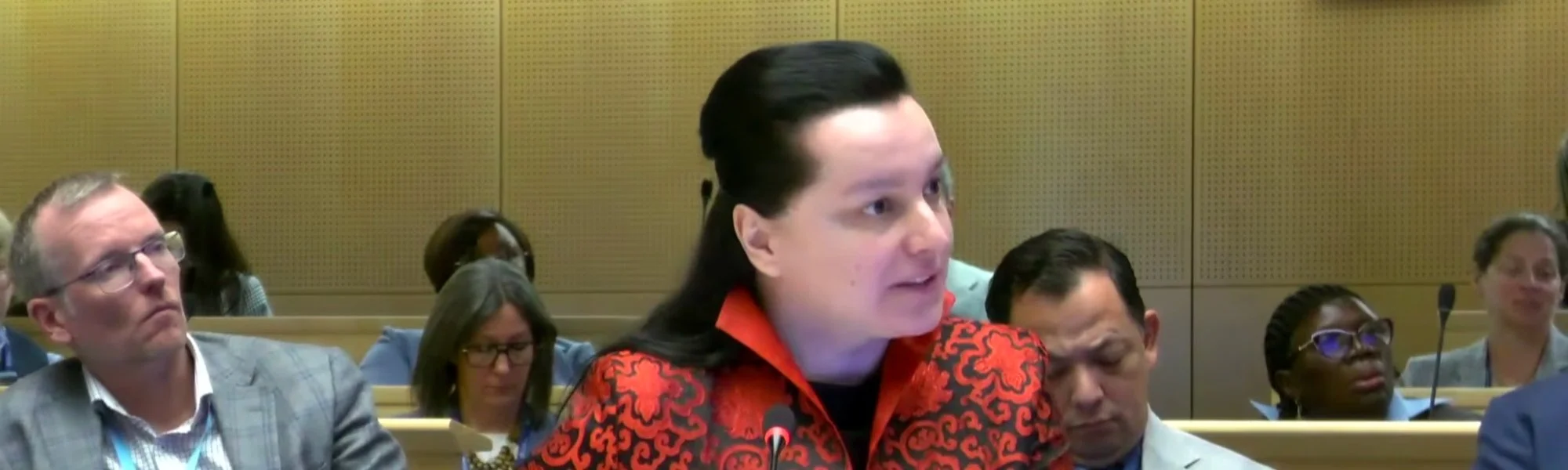
Prof. Niranjan ‘Tex’ Kissoon, President of the Global Sepsis Alliance (GSA), and Dr. Mariam Jashi, CEO of GSA, participated in the official WHA79 side event, “Operationalizing WHA76.2 through the Acute Care Action Network: From Global Strategy to Country Impact,” held on 18 May 2026 at the World Health Organization (WHO) Headquarters in Geneva.
The Global Sepsis Alliance has been an active member of the Acute Care Action Network (ACAN), hosted by the WHO Secretariat, since 2024. Through its engagement in ACAN, GSA contributes to global efforts to strengthen integrated emergency, critical and operative care and to ensure that sepsis prevention, early recognition and timely management are appropriately integrated within broader acute-care and health-system strengthening agendas.
Overview of WHA79 Side Event
The meeting brought together Ministers of Health, senior government representatives, WHO leadership, international financing institutions, professional associations, academia, civil society and global health partners to discuss the translation of WHA Resolution 76.2 and the Global Strategy for Integrated Emergency, Critical and Operative (ECO) Care into measurable country-level action.
The discussions underscored that timely access to high-quality emergency, critical and operative care is fundamental to Universal Health Coverage (UHC), health-system resilience, emergency preparedness and the prevention of avoidable mortality.
Participants emphasized that the global policy mandate must now be converted into effective national implementation through political leadership, an empowered health workforce, evidence-based and scalable interventions, stronger data and governance systems, and sustainable and catalytic financing.
The Acute Care Action Network (ACAN) was highlighted as an important platform for bringing governments, WHO, professional societies, financing partners and other stakeholders together to accelerate implementation and facilitate the transition from global strategy to country impact.
High-Level Speakers and Participants
The meeting included interventions from the following senior representatives and partners:
H.E. Dr. Mekdes Daba Feyssa — Minister of Health, Federal Democratic Republic of Ethiopia
Hon. Dr. Sabin Nsanzimana — Minister of Health, Republic of Rwanda
Dr. Usman Ahmad Mushtaq — State Secretary, Ministry of Health and Care Services, Norway
H.E. Ambassador Tsegab Kebebew Daka — Ambassador and Permanent Representative of the Federal Democratic Republic of Ethiopia to the United Nations Office at Geneva and other International Organizations in Switzerland
Dr. Mohamed Yakub Janabi — WHO Regional Director for Africa
Ms. Yeshoda Aryal — Joint Secretary and Chief, Health Coordination Division, Ministry of Health and Population, Government of Nepal.
Dr. Daoni (Panuel) Esorom — Deputy Secretary for Health Policy, National Department of Health, Papua New Guinea
Mr. Tore Lærdal — Executive Director, Laerdal Foundation; Executive Chairman, Laerdal Medical
Hon. Dr. Mariam Jashi — Chief Executive Officer, Global Sepsis Alliance
Prof. Ole F. Norheim, MD — Mary B. Saltonstall Professor of Ethics and Population Health, Harvard T.H. Chan School of Public Health; Commissioner, Lancet Commission on Investing in Health
Mr. Luc Laviolette — Head of the Secretariat, Global Financing Facility for Women, Children and Adolescents (GFF), World Bank
Prof. Lee Wallis — Senior Technical Officer, World Health Organization
Dr. Amanda Fehn — Technical Officer, World Health Organization
Dr. Carolina Haylock-Loor — President, World Federation of Societies of Anaesthesiologists (WFSA)
Dr. Joseph (Joe) Bonney — President, African Federation for Emergency Medicine (AFEM)
Ms. Anna Liakopoulou — Liaison Officer for Medical Sciences and Research Issues, International Federation of Medical Students’ Associations (IFMSA)
Summary of Proceedings and Key Messages
1. From Global Commitments to Country-Level Implementation
A central message throughout the meeting was the urgent need to move from global resolutions and strategies to practical implementation at the country level.
Speakers emphasized that many preventable deaths do not result solely from the absence of sophisticated technologies or specialized services, but from failures in recognizing acute illness, initiating appropriate treatment, coordinating referrals, and ensuring continuity across the emergency, critical, and operative care pathway.
Representatives of Ethiopia and other Member States stressed that ECO Care should be regarded as an essential component of health systems and Universal Health Coverage rather than as a luxury or isolated specialist service. Strengthening acute care therefore requires integration across all levels of the health system, from community and primary care through emergency departments, operating theatres and critical-care services.
2. Political Leadership and Country Ownership
Ministers and senior government representatives emphasized that sustainable implementation requires strong national ownership, political commitment and integration into national health policies and budgets.
Country experiences demonstrated that global guidance must be adapted to local epidemiological, geographical, workforce and health-system realities. This requires appropriate governance arrangements, national standards, referral systems, data collection and monitoring frameworks.
Experiences from Ethiopia, Nepal, Rwanda and Papua New Guinea illustrated different approaches to strengthening emergency medical services, improving coordination and governance, standardizing acute-care delivery and addressing geographical and resource barriers affecting timely access to care.
3. Sepsis as a Major Acute-Care and Health-System Priority
Hon. Dr. Mariam Jashi, CEO of the Global Sepsis Alliance (GSA), highlighted sepsis as one of the world’s leading but persistently under-recognized causes of preventable death and emphasized its direct relevance to the Acute Care Action Network (ACAN) agenda. Sepsis has historically been estimated to affect 48.9 million people and contribute to approximately 11 million deaths annually—around one in five deaths worldwide—with a disproportionate burden among newborns, children, and populations in lower-resource settings. Dr. Jashi drew attention to a continuing gap in global health prioritization: even the influential Lancet Commission on Investing in Health’s “Global Health 2050” report and its “50 by 50” agenda, which identifies 15 priority conditions for halving premature mortality by 2050, do not identify sepsis as a major killer.
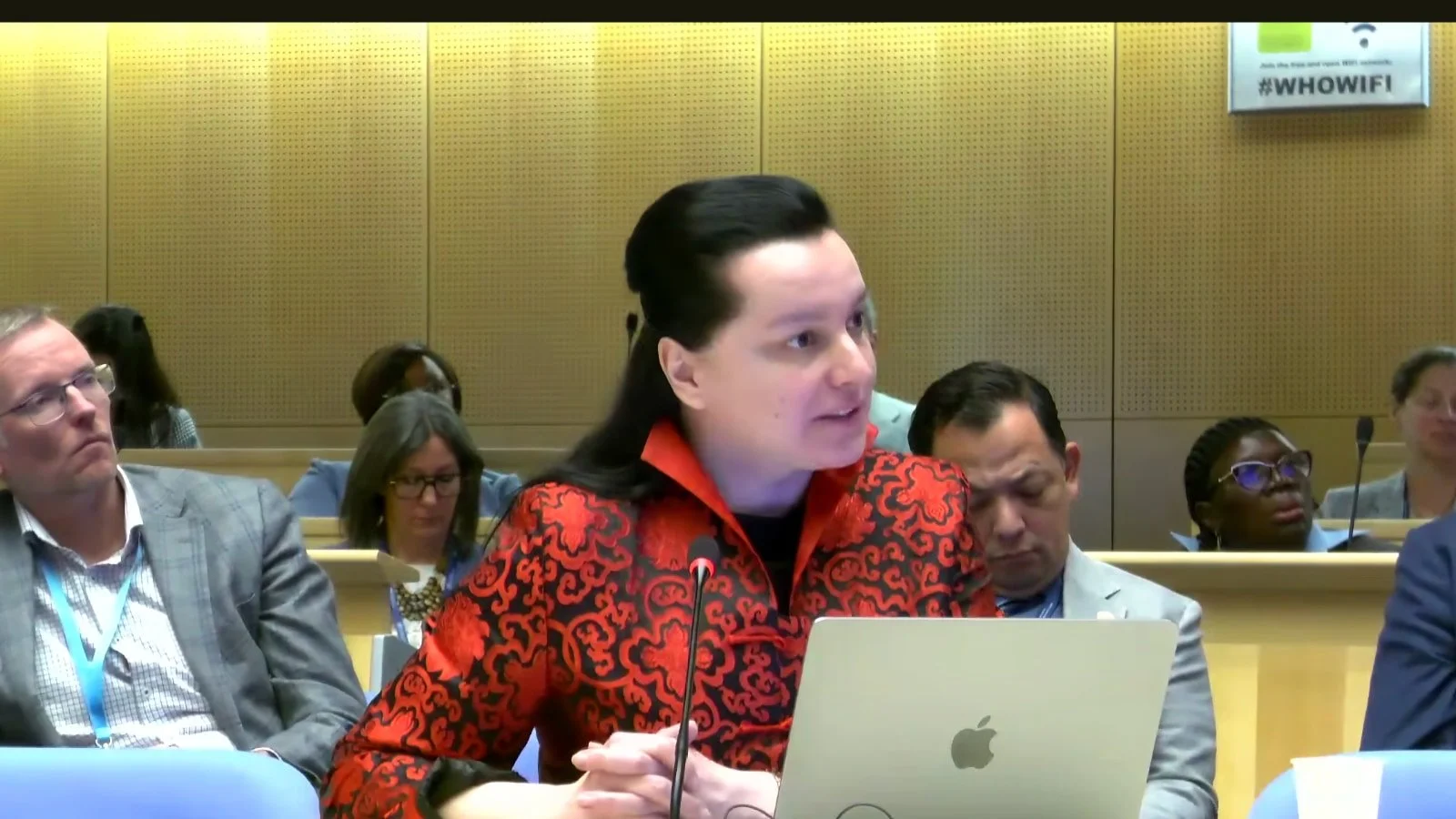
Against this background, Dr. Jashi presented the landmark initiative “Saving Lives from Sepsis: From Evidence to Impact,” jointly led by the Global Sepsis Alliance and Society of Critical Care Medicine (SCCM), in collaboration with the World Health Organization (WHO), and supported by a historic grant from the Laerdal Foundation. Working closely with WHO and the WHO-hosted Acute Care Action Network, the collaboration will advance three interconnected flagship initiatives: the first Global Report and Dashboard on the Health System Response to Sepsis, led by WHO with technical input from GSA and SCCM; the 2026–2030 Global Sepsis Research Strategy, developed through a global expert and multi-stakeholder consultation process; and the 10×10×10 Implementation Science Initiative, which will evaluate implementation of WHO sepsis care guidelines and tools across ten countries representing different geographic regions and resource settings.
Dr. Jashi emphasized that this historic collaboration provides an opportunity to move the global sepsis agenda from evidence to measurable country-level impact. By generating stronger evidence on health-system responses, establishing internationally agreed research priorities and testing implementation of proven sepsis interventions across diverse settings, the initiative aims not only to reduce preventable sepsis mortality but also to strengthen emergency, critical and broader acute-care systems. The collaboration among WHO, GSA, SCCM, ACAN partners and the Laerdal Foundation was presented as a model for translating evidence, professional expertise and catalytic financing into action capable of saving millions of lives.
4. Proven, High-Impact Interventions Can Save Lives
Speakers highlighted evidence that relatively simple, standardized and affordable interventions can achieve substantial mortality reductions when implemented effectively and at scale.
Examples included WHO's Basic Emergency Care (BEC) approach and the Safer Births Bundle of Care (SBBC). Experience from implementation programmes demonstrated that structured training, standardized clinical processes and appropriately designed systems can significantly improve outcomes even in resource-constrained environments.
The discussion emphasized the importance of moving beyond repeated small-scale pilots. Once interventions have demonstrated effectiveness, governments and development partners should focus on institutionalization, national scale-up, and integration into routine health services.
5. Health Workforce as the Foundation of Acute Care
Dr. Amanda Fehn and other participants emphasized that successful ECO Care depends fundamentally on the health workforce.
Particular attention was given to nurses, midwives and other frontline health professionals, who constitute a substantial proportion of the workforce responsible for recognizing deterioration and providing emergency and acute care.
Participants called for competency-based training, appropriate task sharing, supportive regulation and policies that enable health professionals to operate at the full scope of their competencies and practice. Building resilient acute-care systems therefore requires investment not only in infrastructure and equipment but also in people, training, leadership and multidisciplinary teamwork.
6. Professional Networks and Multidisciplinary Collaboration
Representatives of the World Federation of Societies of Anaesthesiologists, African Federation for Emergency Medicine, IFMSA and other professional organizations highlighted the importance of multidisciplinary collaboration.
Emergency physicians, anaesthesiologists, surgeons, nurses, midwives, critical-care specialists, medical students and other health professionals all contribute to the acute-care continuum. Professional associations can support implementation by developing standards, strengthening education and training, generating evidence and creating professional networks that facilitate knowledge transfer between countries.
Youth and future health professionals were also recognized as important stakeholders in sustaining long-term transformation of acute-care systems.
7. Financing: Moving from Successful Pilots to National Scale
Financing emerged as one of the most important implementation challenges.
Mr. Luc Laviolette, representing the Global Financing Facility for Women, Children and Adolescents (GFF), highlighted the role of catalytic financing in helping countries move successful interventions from demonstration projects toward national implementation.
The discussion highlighted the value of using catalytic grant financing strategically to de-risk innovation, demonstrate impact and leverage larger domestic and development financing. Successful interventions ultimately need to become integrated into government planning and national budgets rather than remaining dependent on individual projects.
The experience of scaling the Safer Births Bundle of Care was presented as an example of how evidence-based interventions can move from pilot implementation toward broader health-system adoption.
8. Investment, Priority Setting and Value for Health
The discussion also addressed the economic and ethical dimensions of investing in acute care.
Prof. Ole F. Norheim brought the perspective of health economics, ethics and priority setting, reinforcing the importance of investing in interventions that can deliver substantial health gains while advancing equity and Universal Health Coverage.
Participants emphasized that strengthening acute care represents not merely additional health expenditure but an investment in preventing avoidable mortality, disability and economic loss. Stronger evidence on cost-effectiveness and return on investment can help Ministries of Health and Finance make the case for sustained domestic financing.
9. Partnership and Catalytic Philanthropy
Mr. Tore Lærdal highlighted the role that strategic philanthropy and long-term partnerships can play in accelerating implementation and supporting innovations capable of saving lives at scale.
The Laerdal Foundation's support for ACAN and global acute-care initiatives, as well as its support for the emerging WHO–GSA–SCCM collaboration on sepsis, illustrates how catalytic philanthropic investment can help mobilize broader partnerships, generate evidence and support the transition from innovative approaches to sustainable programmes.
Conclusions
The WHA79 ACAN side event demonstrated broad agreement that the international community has entered a new phase in the global acute-care agenda: the priority is no longer solely establishing the policy case for emergency, critical and operative care, but delivering implementation at scale.