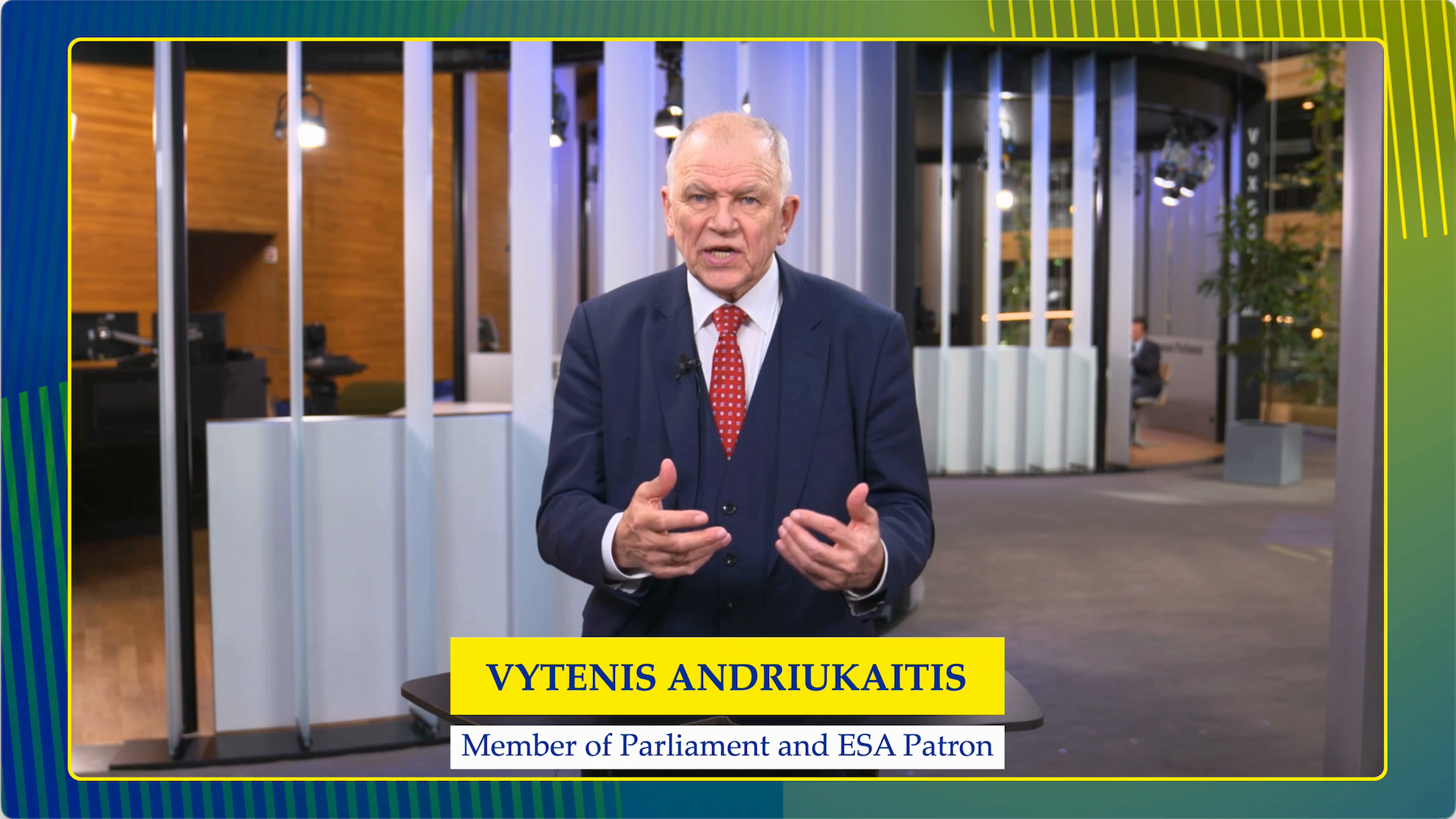
ESA Patron Vytenis Andriukaitis Echoes Call for a European Sepsis Plan at 9th ESA Annual Meeting

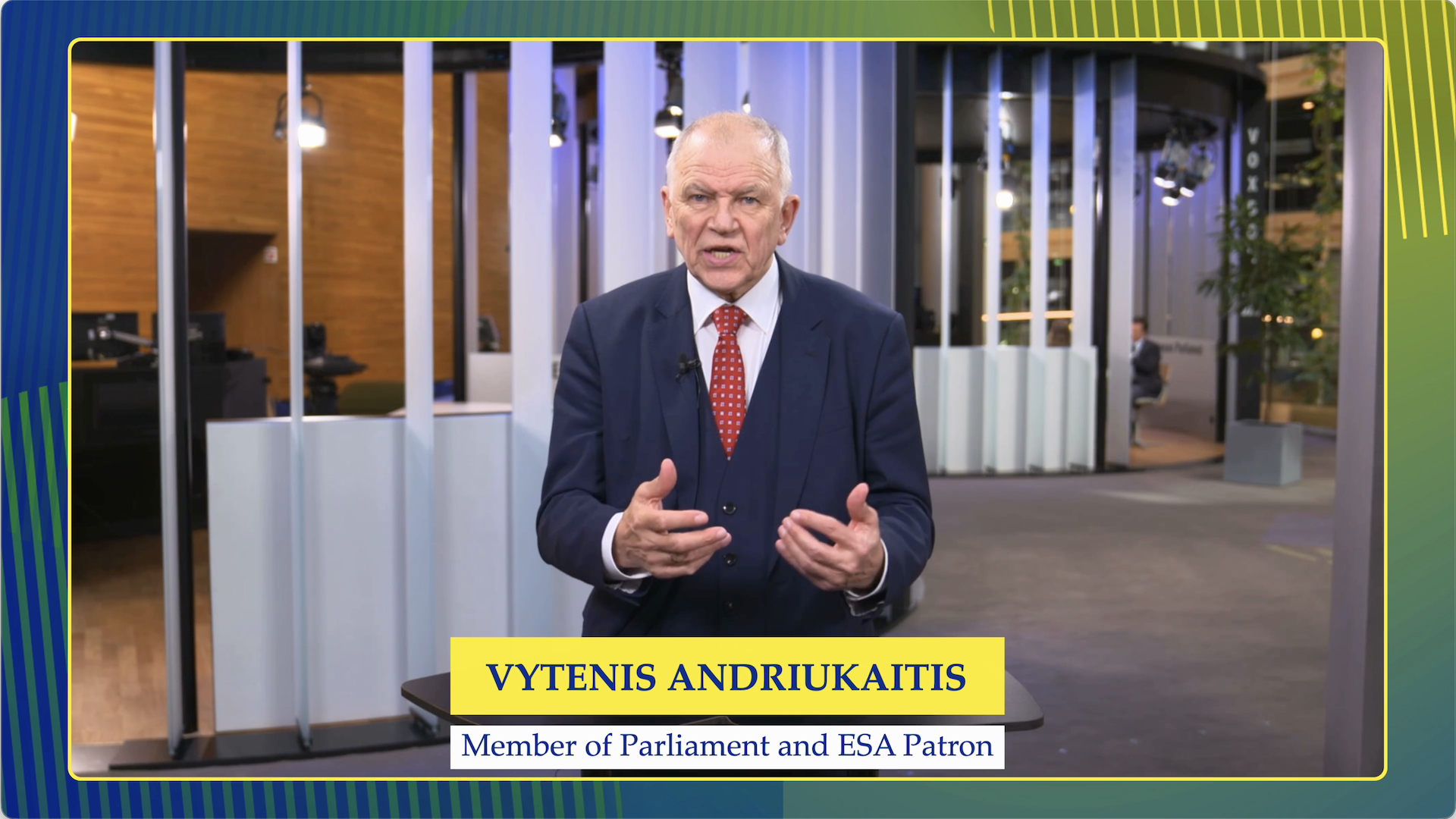
In his address to the 9th Annual Meeting of the European Sepsis Alliance, ESA Patron Vytenis Andriukaitis delivered a strong call to translate political commitments on sepsis into concrete action across Europe.

Reflecting on the ESA’s landmark Call to Action launched at the European Parliament last year, he stressed that progress must now be matched by implementation. Despite growing awareness, major gaps remain, leaving millions of Europeans at risk.

Highlighting the scale of the challenge, Andriukaitis pointed to the latest estimates of 1.27 million sepsis-related deaths annually in the EU, underlining that many of these deaths are preventable with stronger political will and coordinated action. He also emphasized the close link between sepsis and antimicrobial resistance, describing sepsis as its “human face.”

Andriukaitis echoed WHO Europe Regional Director Hans Kluge’s call for a comprehensive European Sepsis Plan. He welcomed the support of WHO Europe and called for sepsis to be fully integrated into EU health security, pandemic preparedness, and the broader European Health Union framework.

The ESA Patron also drew attention to the critical intersection between sepsis and cancer. With cancer patients facing a tenfold higher risk of developing sepsis—and a mortality rate of around 50% among those affected, he urged policymakers to embed sepsis prevention, early detection, and management into national cancer plans.

Concluding his remarks, he called on EU institutions and Member States to act decisively: establish clear metrics, allocate dedicated resources, and ensure coordinated implementation across agencies.

“By working together across borders and disciplines,” he noted, “we can save over a million lives each year.”
Simone Mancini
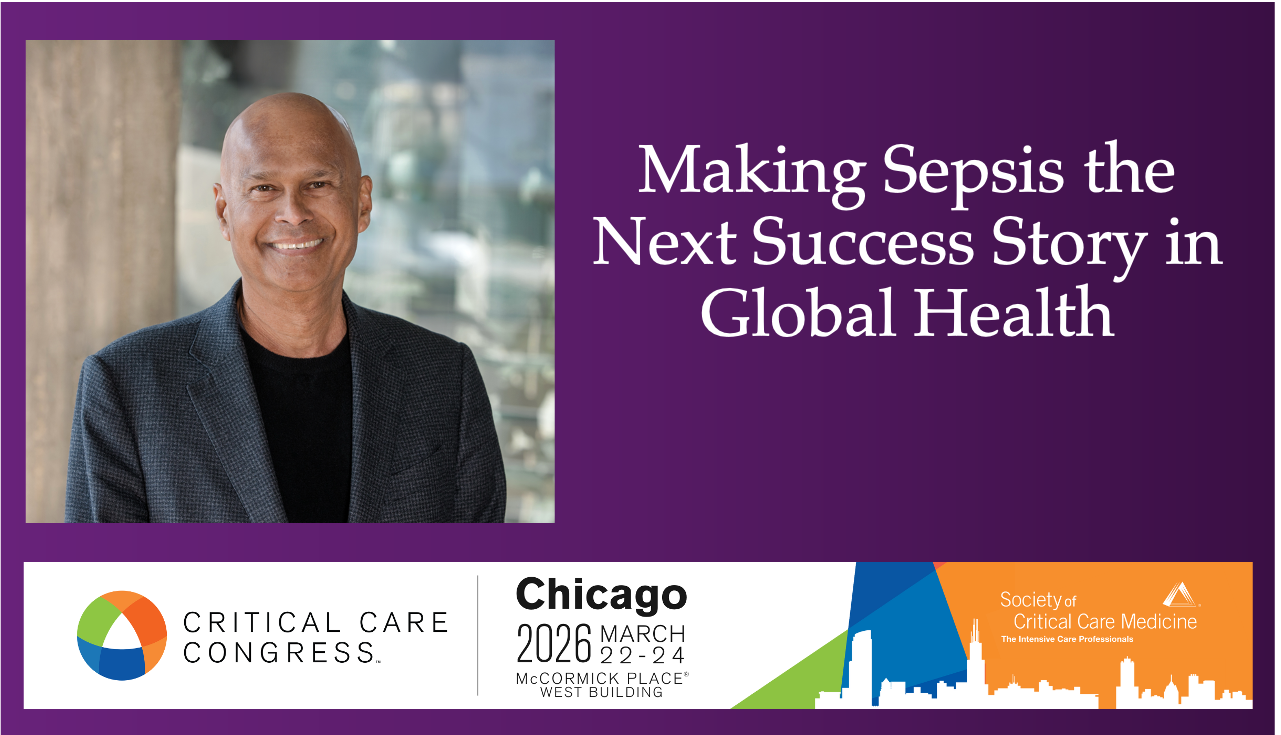
GSA President Prof. Kissoon Will Deliver Lecture at Critical Care Congress 2026

On March 23, Global Sepsis Alliance President, Prof. Niranjan Kissoon, will deliver a featured lecture at the Critical Care Congress 2026, hosted by the Society of Critical Care Medicine in Chicago.

In this important session titled “Making Sepsis the Next Success Story in Global Health”, Prof. Kissoon will explore the global epidemiology of sepsis, highlighting its disproportionate burden across different regions and populations. The lecture will place particular emphasis on the impact of poverty and social determinants of health, which continue to drive inequities in sepsis outcomes worldwide.

Building on progress achieved over the past decade and on the 2030 Global Agenda for Sepsis, Prof. Kissoon will outline how coordinated global action has led to sepsis recognition and care improvements. The session will also examine ongoing international efforts to position sepsis as the next major success story in global health.

Taking place from 22–24 March 2026, the Critical Care Congress brings together thousands of healthcare professionals to share the latest advances in critical care medicine and improve patient outcomes globally.

Simone Mancini
Recording Now Available: 9th Annual Meeting of the European Sepsis Alliance

Update: The recording is now available to rewatch at your convenience, embedded above or here on YouTube, including chapter markers so you can jump to the speaker/topic that you are most interested in.


Original article:
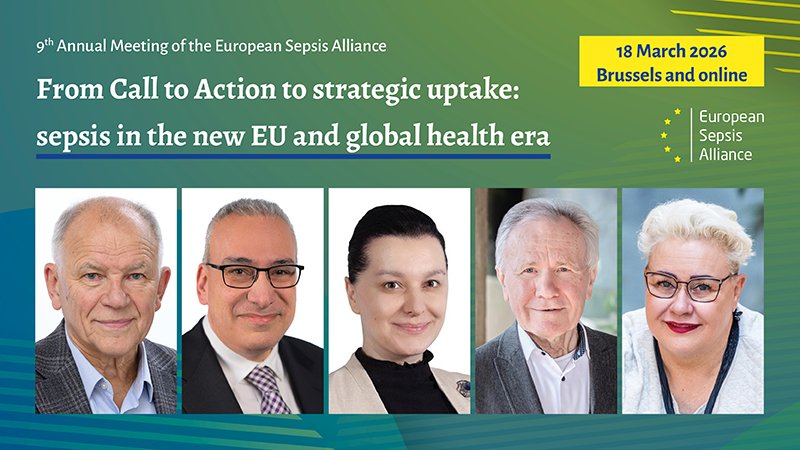
We are now live from Brussels with the 9th Annual Meeting of the European Sepsis Alliance – you can join us via the free YouTube livestream, including asking questions to our speakers, panelists, and moderators.

Please use the chat function on YouTube to ask questions and interact with us. The event recording will be available at the same URL immediately after the livestream has concluded.


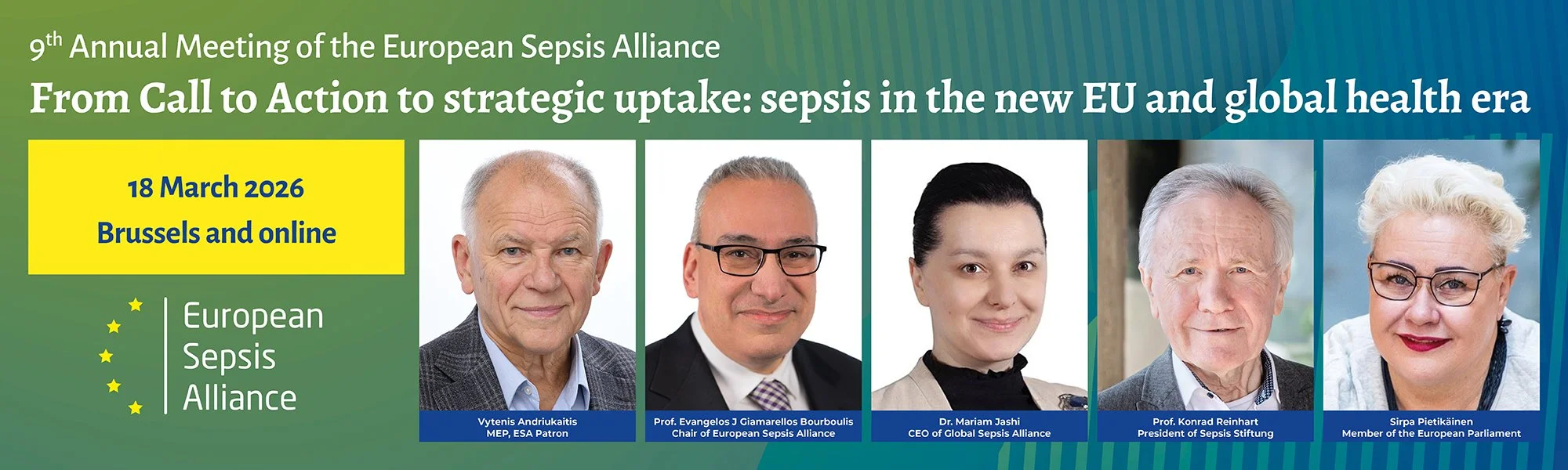
We will be joined by European health policy leaders, prominent academics, and advocacy experts, including Member of the European Parliament Hon. Sirpa Pietikäinen and ESA Patron Hon. Vytenis Andriukaitis, Ana Burgos Gutiérrez, Head of Unit at HERA, ESICM President Prof. Jan De Waele, Guilherme Gonçalves Duarte, Executive Director of UNITE Parliamentarian Network for Global Health, and many others.

We will discuss the urgency of integrating policy response to sepsis in the European health agenda, the latest progress in therapy and research, and stories of patients and families in advocating for sepsis prioritisation in national and European policies, with high-level policymakers, experts, and survivors.


Sponsors


Sponsors do not influence the content of the event in any way.

Marvin Zick
Register for the 9th Annual Meeting of the European Sepsis Alliance, 18 March, Brussels and Online

The Global Sepsis Alliance warmly invites you to register for the 9th Annual Meeting of the European Sepsis Alliance, taking place on 18 March in Brussels, at the premises of the Representation of North Rhine-Westphalia to the EU, rue Montoyer 47, and online.

We will be joined by European health policy leaders, prominent academics, and advocacy experts, including Member of the European Parliament Hon. Sirpa Pietikäinen and ESA Patron Hon. Vytenis Andriukaitis, Ana Burgos Gutiérrez, Head of Unit at HERA, ESICM President Prof. Jan De Waele, Guilherme Gonçalves Duarte, Executive Director of UNITE Parliamentarian Network for Global Health, and many others.
At the last Annual Meeting, hosted at the European Parliament in March 2025, we launched a Call to Action, which set out concrete recommendations for EU institutions, Member States, and stakeholders. One year on, the 2026 meeting aims to take stock of progress, identify gaps, and reinvigorate the commitments outlined both in that document and in the 2030 Global Agenda for Sepsis.

We will discuss the urgency of integrating policy response to sepsis in the European health agenda, the latest progress in therapy and research, and stories of patients and families in advocating for sepsis prioritisation in national and European policies, with high-level policymakers, experts, and survivors.

Register via the button above to attend in person or to watch the livestream.


Sponsors


NB: Sponsors do not influence in any way the content of the event.

Simone Mancini
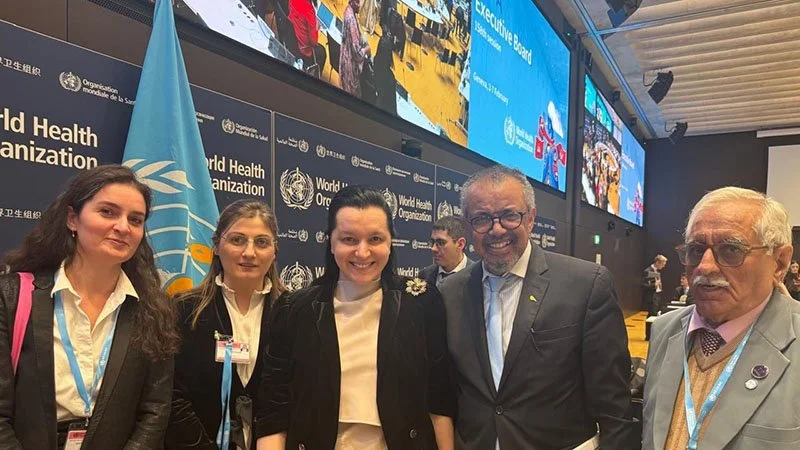
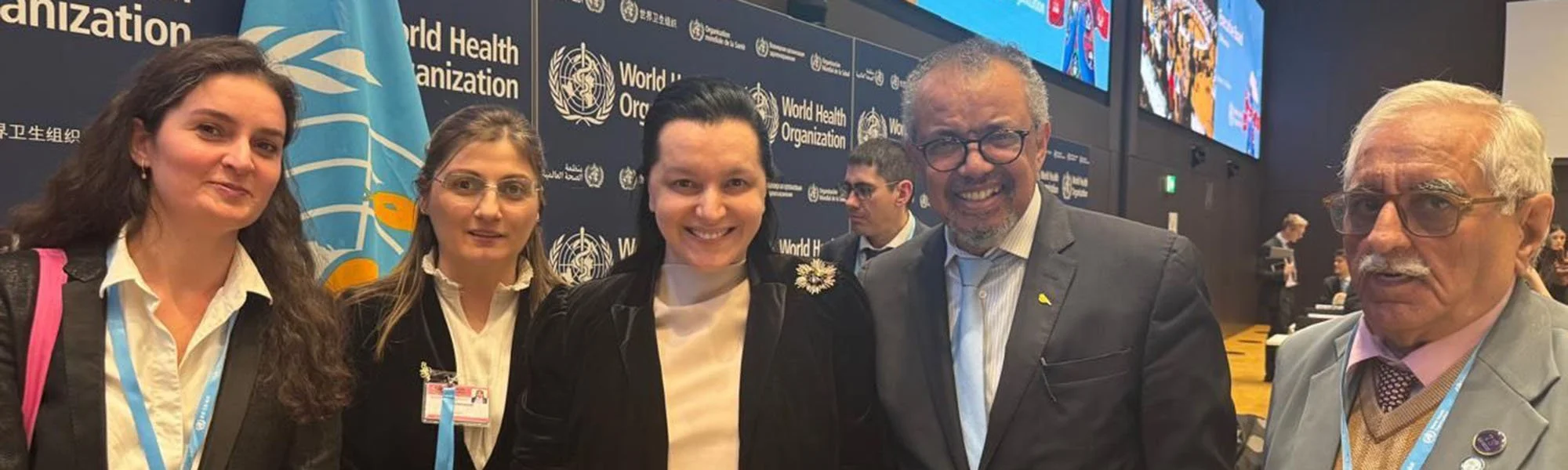
Dr. Mariam Jashi at the 158th Session of the WHO Executive Board

Geneva, Switzerland | 2–7 February 2026

Dr. Mariam Jashi, CEO of the Global Sepsis Alliance and Secretary General of the Medical Women’s International Association, participated in the WHO Executive Board 158th Session (EB158), held in Geneva, Switzerland. 

As Head of the MWIA delegation, Dr. Jashi delivered six official statements addressing key agenda items, with a strong emphasis on the health and well-being of women, female medical professionals, and the integration of Sepsis into national and global health agendas. 


Key Themes and Messages 

Agenda Item 6: Noncommunicable Diseases (NCDs) 

Drawing on MWIA’s 106-year legacy and representation of 12,000 female health professionals worldwide, Dr. Jashi welcomed progress in reducing NCDs among women in parts of Central Asia, the Middle East, and North Africa. She cautioned, however, that socio-economic disparities continue to limit access to and affordability of basic NCD care, urging greater investment in prevention, control, and women-centred research and development within Universal Health Coverage (UHC) frameworks. 

Agenda Item 8: Immunization 

Dr. Jashi reaffirmed that immunization remains one of the most successful public health interventions, having saved an estimated 154 million lives over the past 50 years. She cautioned that anti-vaccine sentiment threatens historic gains at a time when the world is closer than ever to eradicating polio and achieving measles elimination. 

Together with the Global Sepsis Alliance, Dr. Jashi emphasized that immunization is one of the strongest preventive measures against Sepsis, a medical emergency claiming 11 million lives annually. She urged Member States to strengthen investments in immunization programmes at national, regional, and global levels to meet IA2030 targets and avert 50 million deaths worldwide

Combined Agenda Items 9 and 11: Integrated Emergency, Critical and Operative Care (ECO) and Health-Related SDGs 

On Agenda Item 9, Dr. Jashi strongly endorsed the draft global strategy for integrated Emergency, Critical and Operative care (ECO), highlighting its importance as a people-centred continuum of care essential for both Universal Health Coverage and health security. 

To accelerate progress toward health-related Sustainable Development Goals, Dr. Jashi proposed three concrete actions:

  1. Reaffirm commitment to global health and increase domestic financing, especially in the context of challenged multilateralism.

  2. Strengthen engagement with parliamentarians to co-create evidence-based health policies and budgets.

  3. Prioritize Sepsis, which accounts for 20% of global deaths, affecting 26 million women and 20 million children under five.

Combined Agenda Items 13 and 14: Health Workforce Mobility and Antimicrobial Resistance (AMR)

On Agenda Item 13, Dr. Jashi welcomed the Expert Advisory Group’s report on the international recruitment code and stressed that women—who comprise 67% of the global health workforce—are disproportionately affected by international recruitment practices. She called for the Code to reflect this reality and promote equitable employment opportunities for medical women.

Addressing Agenda Item 14, she emphasized that Sepsis is the Human Face of AMR. The 4.7 million AMR-associated deaths estimated in 2021 are part of the broader burden of 21 million Sepsis-related deaths, underscoring the need to urgently synergize AMR and Sepsis policies and actions.

Agenda Item 17: Strengthening the Evidence Base for Public Health and Social Measures

Dr. Jashi described Agenda Item 17 as a critically important milestone in building a stronger evidence-based national and global health architecture. She advocated that guidance on public health and social measures extend beyond emergencies to inform good governance, routine strategic planning, and budget alignment, and highlighted the role of non-State actors in evidence consolidation through WHO knowledge platforms. She further encouraged WHO to provide practical tools to help governments and parliaments design robust health policies and budgets, align international aid, and engage non-State actors in evidence generation and consolidation. 

Agenda Item 26: Economics of Health for All

MWIA welcomed the draft strategy on the Economics of Health for All and its commitments to equity and gender equality. Dr. Jashi underscored that achieving health for all requires deliberate prioritization of women facing the greatest barriers. She highlighted that 66% of the poorest women globally lack access to universal health coverage due to financial constraints and that 20% of women still require permission to seek health care. She also underscored the leadership gap whereby women constitute nearly 70% of the health workforce but hold only 25% of leadership roles.

Conclusion 

Across all interventions, Dr. Jashi consistently highlighted the need to: 

  • Center women and female health professionals in global health decision-making,

  • Elevate Sepsis across immunization, AMR, and ECO agendas, and

  • Strengthen evidence-based health governance at national and global levels.

The Global Sepsis Alliance expresses its gratitude to the Medical Women’s International Association for the ongoing strategic partnership and the opportunity to jointly advance the urgent action needed against Sepsis to avert millions of preventable deaths and disability worldwide. 

Katja Couball
U.S. Congress Allocates $5 Million to CDC to Expand Sepsis Programs

We are excited to share a significant advance in the fight against sepsis in the United States: the newly signed Congressional budget includes $5 million for the Centers for Disease Control and Prevention (CDC) to expand its sepsis programs, a $2 million increase over last year’s funding.

World Sepsis Day congratulates Ciaran Staunton, Orlaith Staunton, and the END SEPSIS team on this important milestone, which builds on sustained progress over recent years to secure dedicated federal support for sepsis.

END SEPSIS also reports growing momentum on the policy front, with bipartisan sepsis legislation introduced in both the U.S. House and U.S. Senate.

Staunton highlighted Senator Schumer’s role in helping to secure the additional funding.

Katja Couball
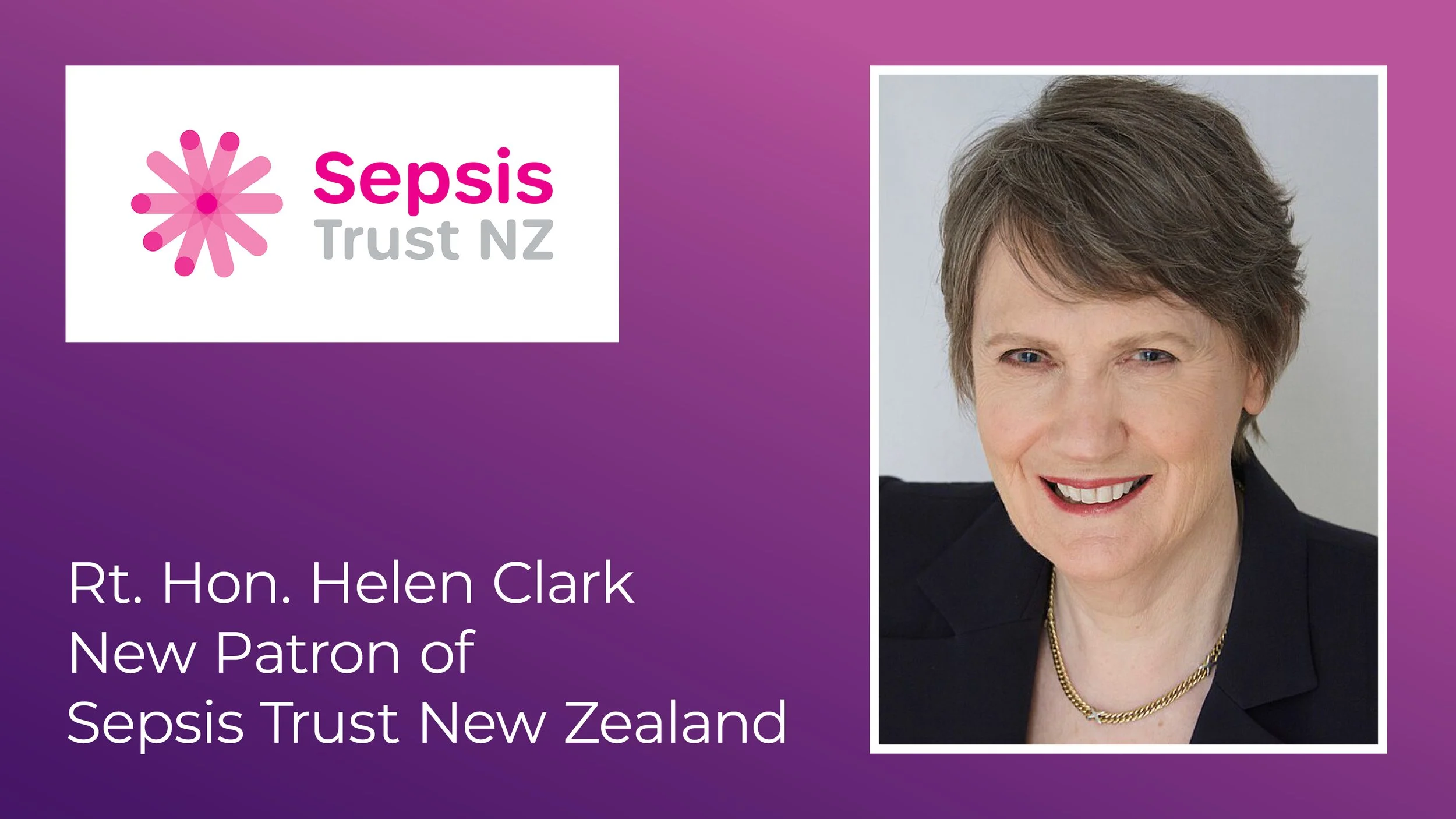
Rt. Hon. Helen Clark Joins Sepsis Trust New Zealand as Patron

The Global Sepsis Alliance is excited to share the announcement that former Prime Minister of New Zealand, the Rt. Hon. Helen Clark, is the new Patron of Sepsis Trust New Zealand.

Her appointment brings an unparalleled depth of global leadership and public health experience to the role, signalling to government, clinicians, funders and the public that sepsis is a serious, system-level health priority worthy of national and international attention.

As former Prime Minister of New Zealand, Administrator of the United Nations Development Programme (UNDP), and Co-Chair of the Independent Panel for Pandemic Preparedness and Response, Helen Clark has spent decades advancing health equity, strengthening health systems, and championing prevention and early intervention worldwide.

As Patron, Helen Clark will bring her voice, credibility and global perspective to Sepsis Trust New Zealand’s mission to reduce the impact and burden of sepsis across Aotearoa, supporting earlier recognition, better treatment, and improved outcomes for patients and whānau.

Sepsis remains a leading cause of preventable harm and death, yet it is still too often misunderstood or misdiagnosed. This patronage will strengthens our ability to raise awareness, influence policy, and work alongside clinicians, communities and decision-makers as we strive to have sepsis recognised as a global health priority.

Simone Mancini
Against All Odds: My Sepsis Survival

In early November 2024, I had been feeling unwell for a few days. I had a fever, I was being sick, and I had diarrhoea. I honestly thought I had picked up a bug. On Tuesday morning, I rang in sick at work and went to see my doctor. He told me there was a viral infection going around and that I just needed to rest.

That evening, everything changed.

I woke up around 11 pm and could see people at my car. I thought they were trying to steal it, so I rang the police. When they arrived, nobody was there. About ten minutes later, I rang again because I could see them back at my car. This happened a few times. On the third call, the officers were going to arrest me for wasting police time, but one of them noticed I looked seriously unwell. I was hallucinating. Sepsis delirium had already set in. Those officers didn’t realise it at the time, but they saved my life. All I remember after that is walking towards the ambulance.

Hospital

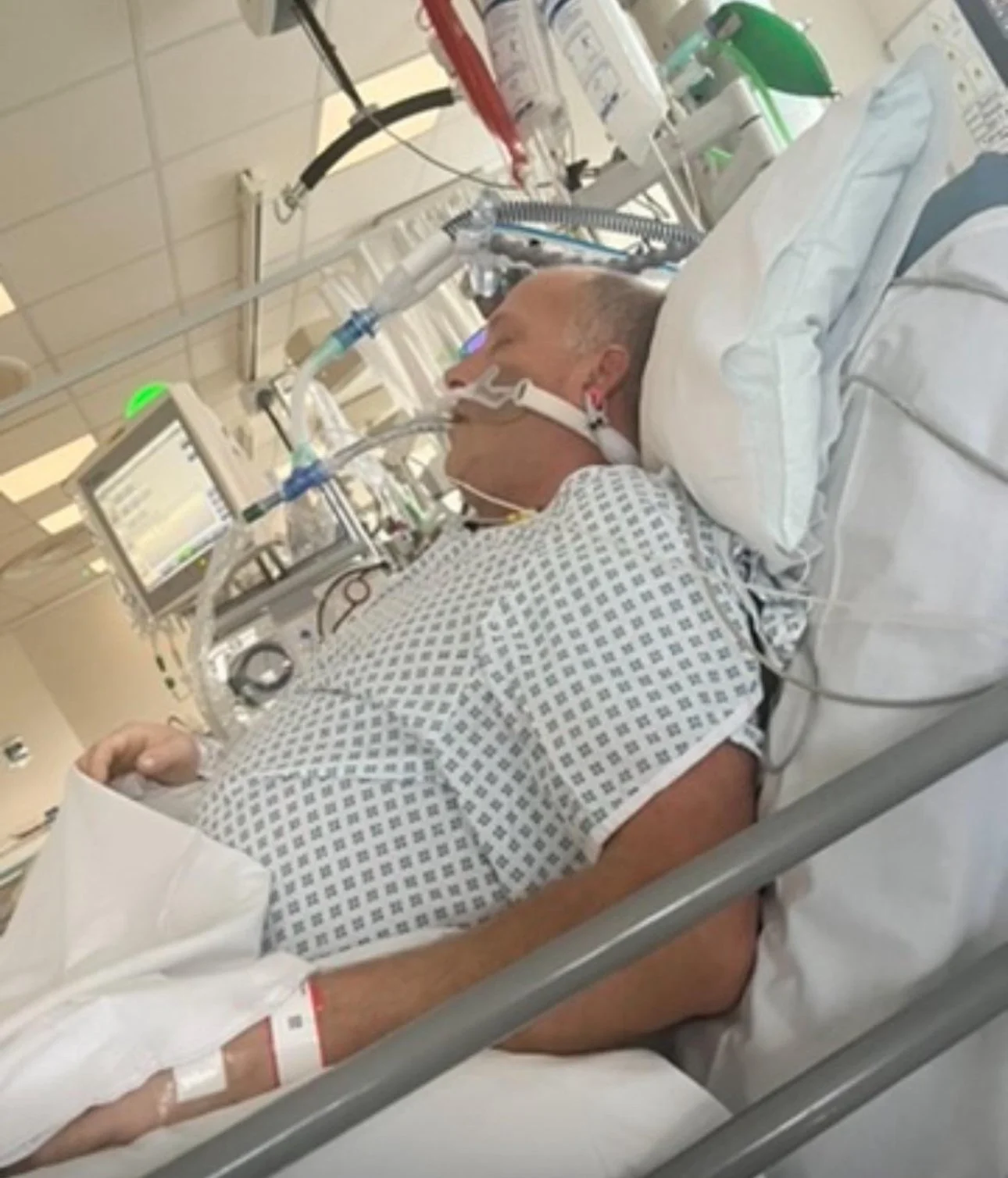
I arrived at the hospital in the early hours of Wednesday, 13th November. I was in triage and had blood tests taken. I was told my sodium was dangerously low, my potassium was high, and my blood pressure was very low. I became unresponsive, and they put a tube down my throat to help me breathe.

I then suffered my first cardiac arrest. I was transferred to the ICU, where I suffered another cardiac arrest that lasted around eight to ten minutes. CPR was performed, and adrenaline was given to restart my heart.

My kidneys had stopped working, so I was put on dialysis. I was ventilated and heavily sedated. Very quickly, I went into multi-organ failure – neurological, renal, hepatic, and cardiovascular. The doctors and consultants didn’t know what had caused it. They inserted multiple arterial lines and started treating me for sepsis with strong antibiotics, but the source of infection was never found. Within about 12 hours of being admitted, my whole family was called in and told how critical my condition was.

The Worst Days

For the next day or so, my family stayed by my bedside waiting for me to die. On Friday, 15th November, the consultants spoke to my family about a Do Not Resuscitate (DNR) order. They explained I was too poorly to survive another cardiac arrest and that it would be inhumane to attempt CPR again. That same day, I had to be taken for a CT scan so doctors could try to find the source of the infection. My family was warned there was a real chance I might not survive the journey, because I was so unstable and would need to be disconnected from some of my life support to go. About an hour later, doctors and nurses wheeled me back into the ICU. I had made it through. After that, my blood results slowly started to show small signs of improvement.

ICU and Recovery

I was kept sedated for most of the next 23 days. I was only woken twice because I was still too unstable.

During my time in the ICU:

  • I was treated for sepsis with antibiotics

  • I remained on dialysis

  • I needed medications to keep my blood pressure up

  • I experienced ICU delirium

  • I had a tracheostomy

  • I lost around 3½ stone

Doctors later told me I was an enigma and nothing short of a miracle. I spent six weeks in total in the hospital. On the 18th of December, my dad wheeled me out because I was too weak to walk.

Life After

When I woke up, I had no memory of what had happened. I suffered memory loss, confusion, anxiety, and recurring nightmares. I needed physiotherapy and cognitive therapy because my brain wasn’t working properly at first. I have now finished both. All my organs are back to normal.

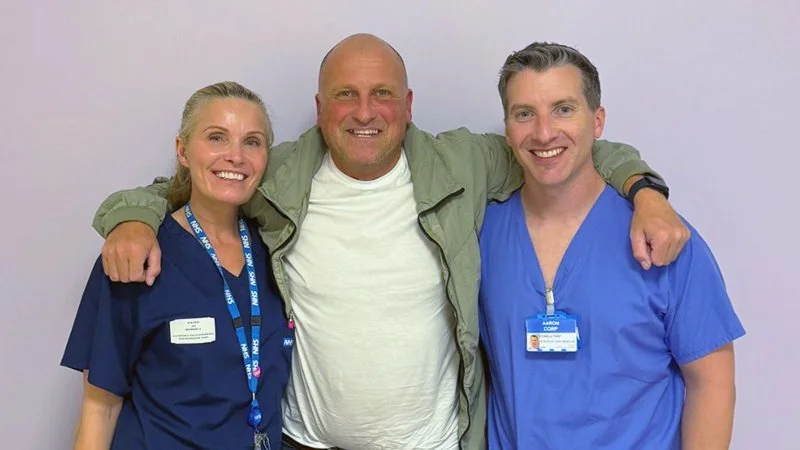
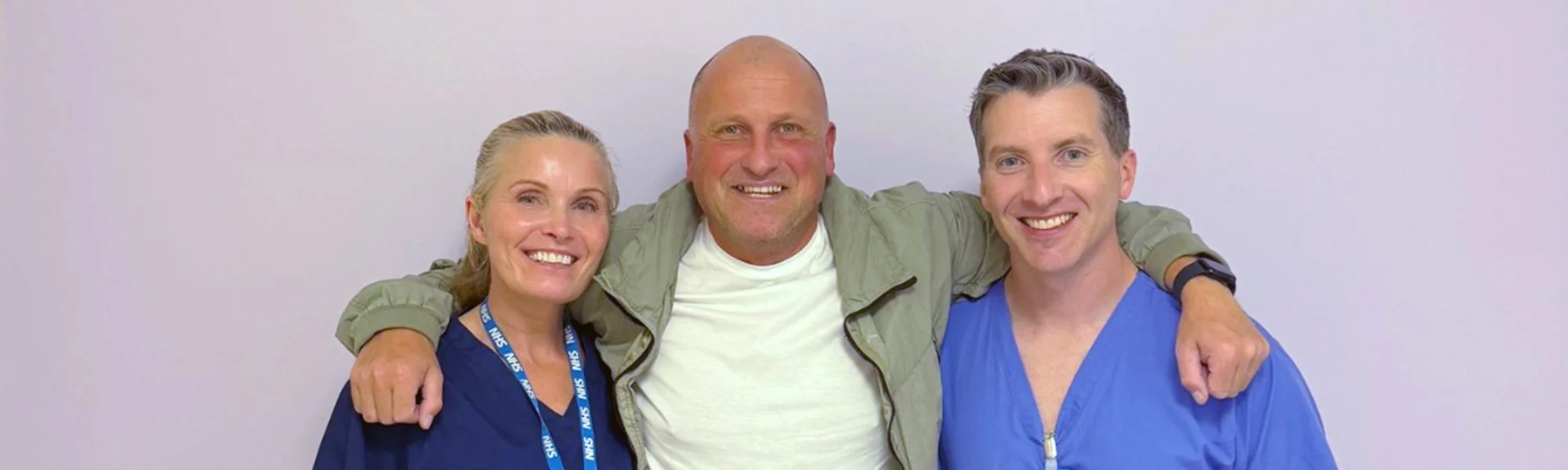
I’ve been back to the ICU at Royal Calderdale several times to thank the incredible doctors and nurses who saved my life. I’ve become good friends with a couple of the ICU nurses, and I will never forget the care I received there.

I’ve also been to the police station to personally thank the officers who noticed I was unwell that night. If it wasn’t for them, I would have died at home on my own. Doctors say I’m nothing short of a miracle.

I’d also like to thank the team at World Sepsis Day and the Global Sepsis Alliance for allowing me to share my journey. I hope my story raises awareness of the symptoms people need to look out for, confusion, being sick, diarrhoea, and feeling generally unwell. These signs can easily be missed, and people can deteriorate frighteningly fast.

I’m a dad to three girls, and I am a very grateful man today.

Justin Chancellor


The article above was written by Justin Chancellor and is shared here with his explicit consent. The views in the article do not necessarily represent those of the Global Sepsis Alliance. They are not intended or implied to be a substitute for professional medical advice. The whole team here at the Global Sepsis Alliance and World Sepsis Day wishes to thank him for sharing her story and for fighting to raise awareness for sepsis.

Katja Couball