Media & Policy Briefing: Sepsis and Infection Management in Germany – YouTube Livestream This Thursday

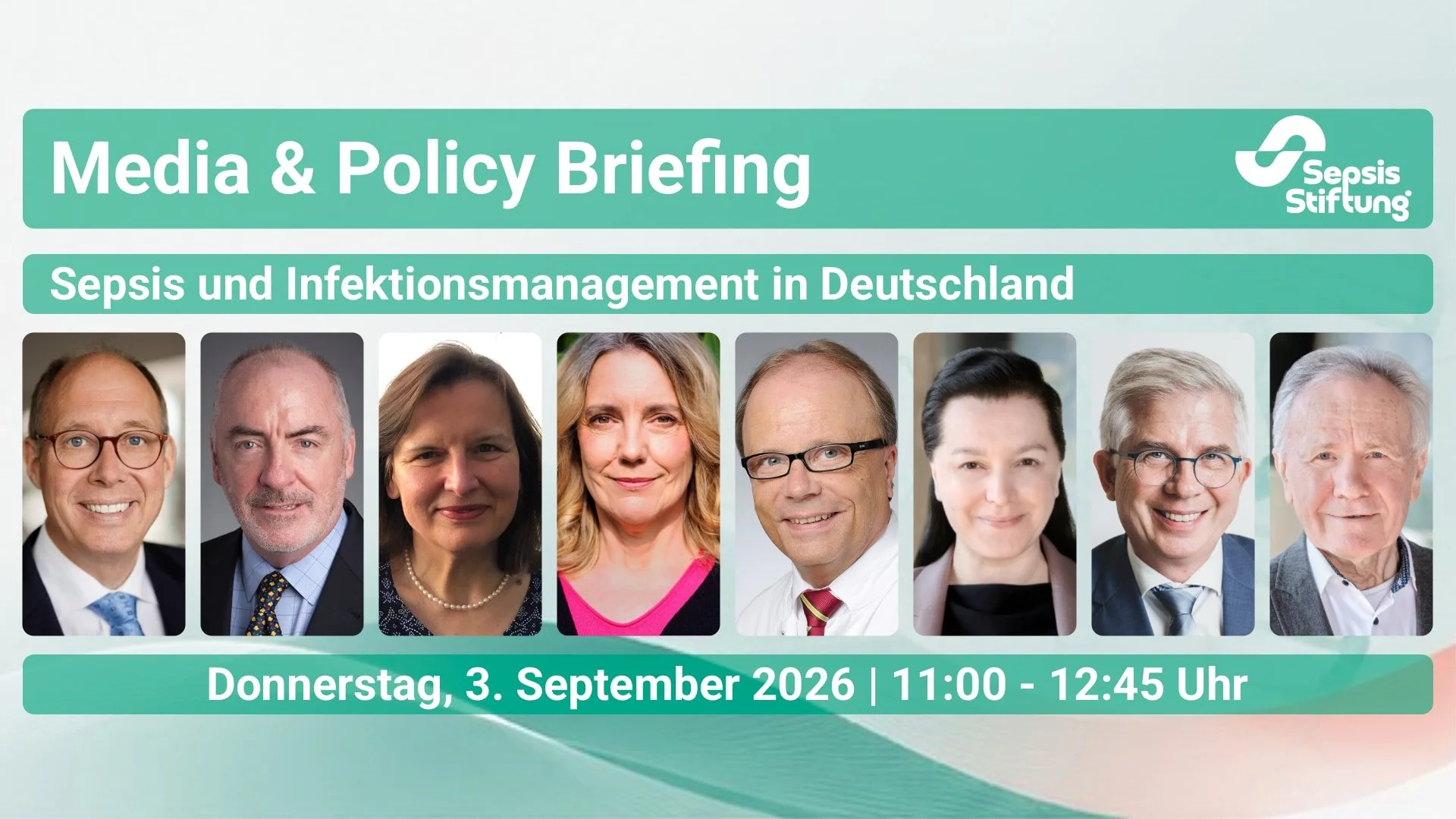
September 3, 2026 | 11:00–12:45 CEST | Berlin & online

The Sepsis-Stiftung is hosting a Media & Policy Briefing on “Sepsis und Infektionsmanagement in Deutschland” on Thursday, September 3, 2026. The event will bring together experts, healthcare professionals, patient representatives, policymakers, and the media to discuss how knowledge about sepsis can be translated into concrete action and improved sepsis care in Germany.

The Global Sepsis Alliance (GSA) and European Sepsis Alliance (ESA) have endorsed the event and are supporting it both ideationally and technically. The program will address the burden of sepsis, opportunities to improve prevention, early recognition, and treatment, lessons from regional initiatives and international experience, and the case for a National Infection Management Strategy with a National Sepsis Plan as a central component.


Contributions from the Global Sepsis Alliance

The program features two contributions with an international perspective from colleagues closely connected with the GSA.

  • Dr. Mariam Jashi, CEO of the Global Sepsis Alliance, will contribute a video message on the GSA strategy to prioritize sepsis globally

  • Ciaran Staunton, GSA Board Member and Founder of END SEPSIS and the Rory Staunton Foundation, will speak about the impact of the Rory Staunton Regulations on sepsis awareness and outcomes in the United States


Join online

The briefing will be streamed live on YouTube, and online participants are explicitly invited to contribute to the moderated discussion and ask questions alongside representatives from the media and politics.

The program and presentations are in German, with the exception of the interventions by Mariam and Ciaran.

For the full program, event information, and available downloads, please visit the Sepsis-Stiftung website.

Marvin Zick
2026 World Sepsis Day – Theme & Policy and Media Brief: Invest in Sepsis – Save Lives

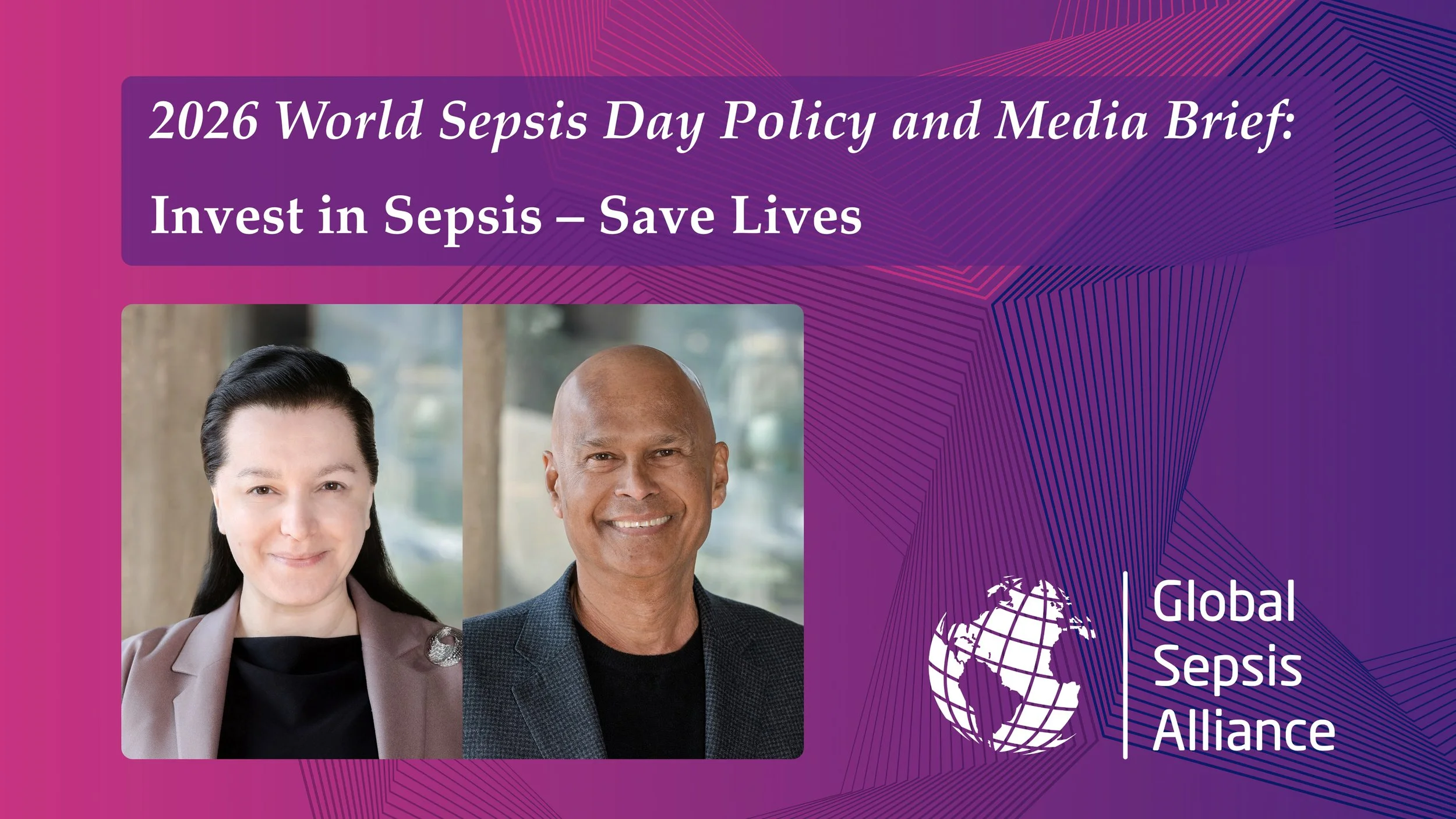
The Global Sepsis Alliance is proud to announce the global theme for the 2026 World Sepsis Day: “Invest in Sepsis – Save Lives.”

Alongside the new theme, we are launching the 2026 World Sepsis Day Policy and Media Brief, setting out the case for urgent investment in Sepsis prevention, early detection, health workers, health systems, innovation, people, and preparedness.

“Since 2012, World Sepsis Day has united the global Sepsis community around one goal: ending preventable deaths and disabilities from Sepsis. In 2026, our message is clear - commitments must translate into investment and implementation, especially in resource-limited settings bearing the greatest burden. Investing in Sepsis means investing in the 2030 Sustainable Development Goals, since progress in maternal and child health, Universal Health Coverage, and other global health priorities require stronger Sepsis response.”
— Prof. Niranjan ‘Tex’ Kissoon, President, Global Sepsis Alliance
“Sepsis is one of the clearest indicators of how well health systems and Universal Health Coverage work in practice. Investing in Sepsis means investing smarter — strengthening health systems, saving lives, and ensuring quality care reaches those who need it most. At a time when the global health architecture faces unprecedented financial and systemic pressures, investing in Sepsis prevention and care is more urgent than ever.”
— Dr. Mariam Jashi, CEO, Global Sepsis Alliance

About the Global Theme and Policy and Media Brief

The 2026 World Sepsis Day Policy and Media Brief provides a common framework for national, regional, and global campaigns to spotlight the urgent need for action against Sepsis — one of the world’s leading causes of death and disability. It brings together key evidence, policy messages, investment priorities, and calls to action to support governments, partners, advocates, and media in planning and implementing World Sepsis Day campaigns. In 2026, the global theme and Policy and Media Brief focus on making the case for investment in Sepsis to save millions of preventable lives and translate commitments into action.

Why Investment is Urgent

We are already paying for Sepsis. We are simply paying too late.

The scale of Sepsis demands investment proportionate to its burden. Pre-pandemic estimates identified 48.9 million Sepsis cases and approximately 1 in every 5 deaths worldwide. The latest Global Burden of Disease estimates cited in the Brief indicate an estimated 166 million Sepsis cases and 21.4 million Sepsis-related deaths in 2021. Around 85% of the global Sepsis burden occurs in low- and middle-income countries.

Underinvestment also carries enormous economic and societal costs through hospitalization, disability, rehabilitation, lost productivity, and premature death. Yet investments in prevention, early recognition, and effective treatment can reduce avoidable complications, disabilities, deaths, and costs.

5 Investments to Save Lives

The 2026 World Sepsis Day Policy and Media Brief identifies five priorities:

1. Invest in national Sepsis action.
Develop, finance, and implement national Sepsis policies and action plans with measurable targets, surveillance, financing, and accountability.

2. Invest in health systems and health workers.
Strengthen healthcare worker education, early recognition, clinical pathways, diagnostics, medicines and oxygen, emergency and critical care, referral systems, and rehabilitation.

3. Invest in science and innovation.
Advance vaccines, rapid diagnostics, novel therapeutics, antimicrobial development and stewardship, precision medicine, digital technologies, AI, and innovations for resource-limited settings.

4. Invest in people, survivors, and communities.
Strengthen public Sepsis literacy and rapid care-seeking while investing in survivors, rehabilitation, long-term support, and meaningful patient and family engagement.

5. Invest in global health security and resilience.
Embed Sepsis prevention, surveillance, early detection, and clinical management in pandemic, emergency, and humanitarian preparedness.

Invest now. Accelerate SDGs. Save lives by 2030.

The 2030 deadline for achieving the Sustainable Development Goals is rapidly approaching, and we cannot achieve the health-related SDG targets without addressing Sepsis.


The 2030 Global Agenda for Sepsis sets a clear ambition: to prevent at least 12 million new Sepsis cases and save at least 2 million lives. Achieving this ambition will accelerate progress towards health-related SDGs across maternal, newborn and child health, Universal Health Coverage, antimicrobial resistance, patient safety, and global health security.

The 2026 World Sepsis Day campaign calls on governments, parliaments, international financial institutions, development banks, global health partnerships, donors, philanthropies, research funders, and the private sector to turn commitments into measurable investments.

The 2026 World Sepsis Day Policy and Media Brief provides the evidence, investment priorities, and calls to action behind this year’s global theme. It is designed to support governments, policymakers, health leaders, partners, advocates, and media in making the case for greater investment in Sepsis prevention and response.

Download the Policy and Media Brief and join the global call to turn commitments into investment and ultimately lives saved.


Invest in Sepsis – Save Lives.

Invest in prevention.
Invest in early detection.
Invest in health workers.
Invest in health systems.
Invest in innovation.
Invest in people.
Invest in preparedness.

Marvin Zick
From National Leadership to European Action, an Irish Presidency of the EU Associated Event – September 15, Dublin

The European Sepsis Alliance is honoured to open registration for the upcoming event “Making sepsis a European health policy priority: from national leadership to European action”, taking place at the Royal College of Surgeons in Ireland, University of Medicine and Health Sciences, in Dublin on 15 September. The event is an Associated Event of the Irish Presidency of the Council of the European Union. It is co-hosted by the Global Sepsis Alliance and the Irish Sepsis Alliance.

This afternoon conference will bring together top leaders of the European academic and clinical space alongside high-level representatives of national and European institutions, including the European Commission, WHO Europe, and the Irish government. Confirmed speakers include Dr. Mariam Jashi, CEO of the Global Sepsis Alliance and former Deputy Minister of Health of Georgia, ESA Chair Prof. Evangelos J. Giamarellos-Bourboulis, Prof. Mary Horgan, Chief Medical Officer of Ireland, Minister of State Niamh Smyth, and the National Sepsis Coordinator for Belgium, Tom Vanacker. Patient advocates, sepsis survivors, and representatives of countries with established national sepsis strategies — including Ireland, France, the United Kingdom, Belgium, and Sweden — will contribute to dedicated panels.

The conference will close with a high-level political session and the formal presentation of policy recommendations. The central objective of the Dublin conference is to generate a formal, collective call on the European Commission and Council to develop a coordinated European framework for sepsis — building on the ESA's Call to Action launched at the European Parliament in March 2025, subsequently endorsed by WHO Europe Regional Director Dr. Hans Kluge, and renewed at the 9th ESA Annual Meeting in Brussels in March 2026 with the support of MEPs Vytenis Andriukaitis and Sirpa Pietikäinen.

The Dublin conference is the result of months of sustained advocacy in Ireland. Following the tragic loss of her sister-in-law Sarah to sepsis, Irish Sepsis Alliance’s advocate Sinéad O'Reilly — together with Prof. Steve Kerrigan of the Royal College of Surgeons in Ireland, and Global Sepsis Alliance Board member Ciaran Staunton of END SEPSIS — brought Petition No. P00070/25 before the Joint Oireachtas Committee on Public Petitions, calling on the Irish Government to place sepsis on the agenda of its EU Council Presidency. The Department of Health's invitation to organise this Associated Event is the direct outcome of those activities and of the correspondence of ESA with the Ministry of Health.

Ireland assumed the Presidency of the Council of the European Union on 1 July 2026, inheriting a Presidency trio with Lithuania and Greece — the countries that will hold the chair in 2027. This event is intended to be one step in the strategic engagement with the Presidency trio.

The event will be livestreamed on YouTube. In-person places are limited. Whether you are joining us in Dublin or online, we hope you will be part of this important step in the European sepsis advocacy journey. For media enquiries, please contact: Simone Mancini, Director, European Sepsis Alliance — Simone.Mancini@global-sepsis-alliance.org

Register Now

Marvin Zick
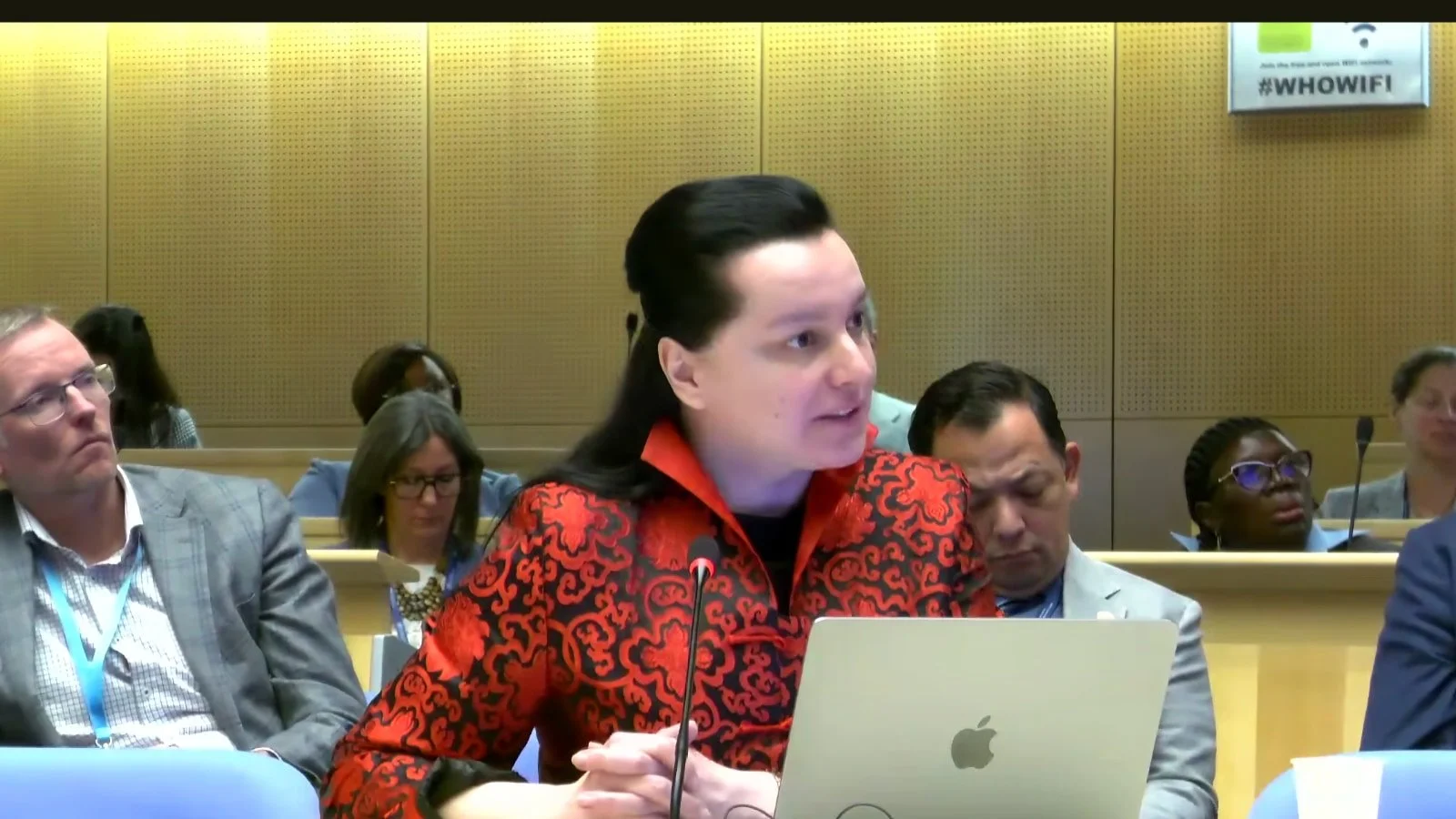
GSA at WHA79 Official Side Event on ACAN

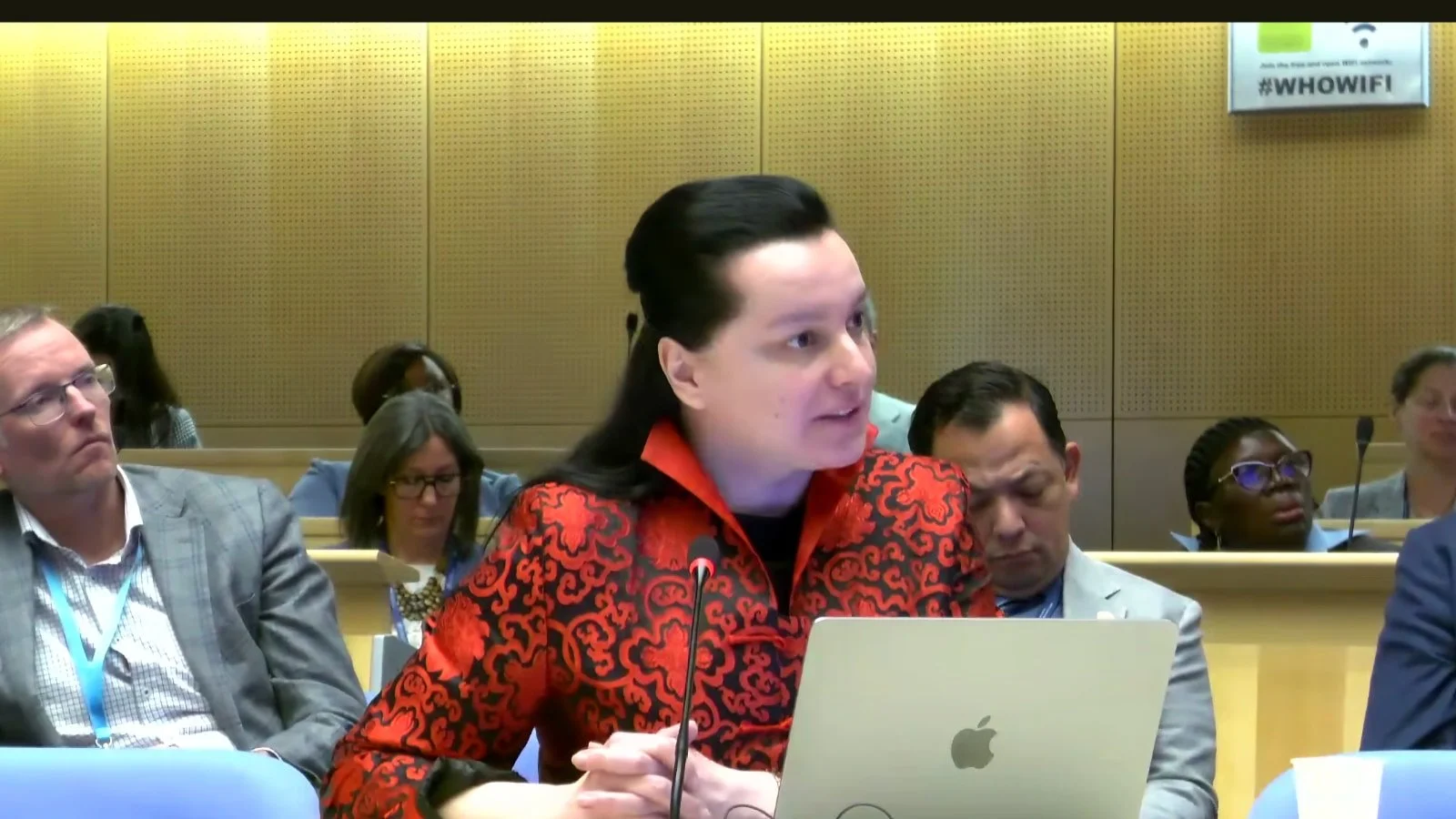
Prof. Niranjan ‘Tex’ Kissoon, President of the Global Sepsis Alliance (GSA), and Dr. Mariam Jashi, CEO of GSA, participated in the official WHA79 side event, “Operationalizing WHA76.2 through the Acute Care Action Network: From Global Strategy to Country Impact,” held on 18 May 2026 at the World Health Organization (WHO) Headquarters in Geneva.

The Global Sepsis Alliance has been an active member of the Acute Care Action Network (ACAN), hosted by the WHO Secretariat, since 2024. Through its engagement in ACAN, GSA contributes to global efforts to strengthen integrated emergency, critical and operative care and to ensure that sepsis prevention, early recognition and timely management are appropriately integrated within broader acute-care and health-system strengthening agendas.


Overview of WHA79 Side Event

The meeting brought together Ministers of Health, senior government representatives, WHO leadership, international financing institutions, professional associations, academia, civil society and global health partners to discuss the translation of WHA Resolution 76.2 and the Global Strategy for Integrated Emergency, Critical and Operative (ECO) Care into measurable country-level action. 

The discussions underscored that timely access to high-quality emergency, critical and operative care is fundamental to Universal Health Coverage (UHC), health-system resilience, emergency preparedness and the prevention of avoidable mortality.

Participants emphasized that the global policy mandate must now be converted into effective national implementation through political leadership, an empowered health workforce, evidence-based and scalable interventions, stronger data and governance systems, and sustainable and catalytic financing.

The Acute Care Action Network (ACAN) was highlighted as an important platform for bringing governments, WHO, professional societies, financing partners and other stakeholders together to accelerate implementation and facilitate the transition from global strategy to country impact.


High-Level Speakers and Participants

The meeting included interventions from the following senior representatives and partners:

  • H.E. Dr. Mekdes Daba Feyssa — Minister of Health, Federal Democratic Republic of Ethiopia

  • Hon. Dr. Sabin Nsanzimana — Minister of Health, Republic of Rwanda

  • Dr. Usman Ahmad Mushtaq — State Secretary, Ministry of Health and Care Services, Norway

  • H.E. Ambassador Tsegab Kebebew Daka — Ambassador and Permanent Representative of the Federal Democratic Republic of Ethiopia to the United Nations Office at Geneva and other International Organizations in Switzerland

  • Dr. Mohamed Yakub Janabi — WHO Regional Director for Africa

  • Ms. Yeshoda Aryal — Joint Secretary and Chief, Health Coordination Division, Ministry of Health and Population, Government of Nepal.

  • Dr. Daoni (Panuel) Esorom — Deputy Secretary for Health Policy, National Department of Health, Papua New Guinea

  • Mr. Tore Lærdal — Executive Director, Laerdal Foundation; Executive Chairman, Laerdal Medical

  • Hon. Dr. Mariam Jashi — Chief Executive Officer, Global Sepsis Alliance

  • Prof. Ole F. Norheim, MD — Mary B. Saltonstall Professor of Ethics and Population Health, Harvard T.H. Chan School of Public Health; Commissioner, Lancet Commission on Investing in Health

  • Mr. Luc Laviolette — Head of the Secretariat, Global Financing Facility for Women, Children and Adolescents (GFF), World Bank

  • Prof. Lee Wallis — Senior Technical Officer, World Health Organization

  • Dr. Amanda Fehn — Technical Officer, World Health Organization

  • Dr. Carolina Haylock-Loor — President, World Federation of Societies of Anaesthesiologists (WFSA)

  • Dr. Joseph (Joe) Bonney — President, African Federation for Emergency Medicine (AFEM)

  • Ms. Anna Liakopoulou — Liaison Officer for Medical Sciences and Research Issues, International Federation of Medical Students’ Associations (IFMSA)


Summary of Proceedings and Key Messages


1. From Global Commitments to Country-Level Implementation 

A central message throughout the meeting was the urgent need to move from global resolutions and strategies to practical implementation at the country level.

Speakers emphasized that many preventable deaths do not result solely from the absence of sophisticated technologies or specialized services, but from failures in recognizing acute illness, initiating appropriate treatment, coordinating referrals, and ensuring continuity across the emergency, critical, and operative care pathway.

Representatives of Ethiopia and other Member States stressed that ECO Care should be regarded as an essential component of health systems and Universal Health Coverage rather than as a luxury or isolated specialist service. Strengthening acute care therefore requires integration across all levels of the health system, from community and primary care through emergency departments, operating theatres and critical-care services.


2. Political Leadership and Country Ownership 

Ministers and senior government representatives emphasized that sustainable implementation requires strong national ownership, political commitment and integration into national health policies and budgets.

Country experiences demonstrated that global guidance must be adapted to local epidemiological, geographical, workforce and health-system realities. This requires appropriate governance arrangements, national standards, referral systems, data collection and monitoring frameworks. 

Experiences from Ethiopia, Nepal, Rwanda and Papua New Guinea illustrated different approaches to strengthening emergency medical services, improving coordination and governance, standardizing acute-care delivery and addressing geographical and resource barriers affecting timely access to care.


3. Sepsis as a Major Acute-Care and Health-System Priority

Hon. Dr. Mariam Jashi, CEO of the Global Sepsis Alliance (GSA), highlighted sepsis as one of the world’s leading but persistently under-recognized causes of preventable death and emphasized its direct relevance to the Acute Care Action Network (ACAN) agenda. Sepsis has historically been estimated to affect 48.9 million people and contribute to approximately 11 million deaths annually—around one in five deaths worldwide—with a disproportionate burden among newborns, children, and populations in lower-resource settings. Dr. Jashi drew attention to a continuing gap in global health prioritization: even the influential Lancet Commission on Investing in Health’s “Global Health 2050” report and its “50 by 50” agenda, which identifies 15 priority conditions for halving premature mortality by 2050, do not identify sepsis as a major killer.

Against this background, Dr. Jashi presented the landmark initiative “Saving Lives from Sepsis: From Evidence to Impact,” jointly led by the Global Sepsis Alliance and Society of Critical Care Medicine (SCCM), in collaboration with the World Health Organization (WHO), and supported by a historic grant from the Laerdal Foundation. Working closely with WHO and the WHO-hosted Acute Care Action Network, the collaboration will advance three interconnected flagship initiatives: the first Global Report and Dashboard on the Health System Response to Sepsis, led by WHO with technical input from GSA and SCCM; the 2026–2030 Global Sepsis Research Strategy, developed through a global expert and multi-stakeholder consultation process; and the 10×10×10 Implementation Science Initiative, which will evaluate implementation of WHO sepsis care guidelines and tools across ten countries representing different geographic regions and resource settings.

Dr. Jashi emphasized that this historic collaboration provides an opportunity to move the global sepsis agenda from evidence to measurable country-level impact. By generating stronger evidence on health-system responses, establishing internationally agreed research priorities and testing implementation of proven sepsis interventions across diverse settings, the initiative aims not only to reduce preventable sepsis mortality but also to strengthen emergency, critical and broader acute-care systems. The collaboration among WHO, GSA, SCCM, ACAN partners and the Laerdal Foundation was presented as a model for translating evidence, professional expertise and catalytic financing into action capable of saving millions of lives.


4. Proven, High-Impact Interventions Can Save Lives

Speakers highlighted evidence that relatively simple, standardized and affordable interventions can achieve substantial mortality reductions when implemented effectively and at scale.

Examples included WHO's Basic Emergency Care (BEC) approach and the Safer Births Bundle of Care (SBBC). Experience from implementation programmes demonstrated that structured training, standardized clinical processes and appropriately designed systems can significantly improve outcomes even in resource-constrained environments.

The discussion emphasized the importance of moving beyond repeated small-scale pilots. Once interventions have demonstrated effectiveness, governments and development partners should focus on institutionalization, national scale-up, and integration into routine health services. 


5. Health Workforce as the Foundation of Acute Care

Dr. Amanda Fehn and other participants emphasized that successful ECO Care depends fundamentally on the health workforce.

Particular attention was given to nurses, midwives and other frontline health professionals, who constitute a substantial proportion of the workforce responsible for recognizing deterioration and providing emergency and acute care.

Participants called for competency-based training, appropriate task sharing, supportive regulation and policies that enable health professionals to operate at the full scope of their competencies and practice. Building resilient acute-care systems therefore requires investment not only in infrastructure and equipment but also in people, training, leadership and multidisciplinary teamwork.


6. Professional Networks and Multidisciplinary Collaboration

Representatives of the World Federation of Societies of Anaesthesiologists, African Federation for Emergency Medicine, IFMSA and other professional organizations highlighted the importance of multidisciplinary collaboration.

Emergency physicians, anaesthesiologists, surgeons, nurses, midwives, critical-care specialists, medical students and other health professionals all contribute to the acute-care continuum. Professional associations can support implementation by developing standards, strengthening education and training, generating evidence and creating professional networks that facilitate knowledge transfer between countries.

Youth and future health professionals were also recognized as important stakeholders in sustaining long-term transformation of acute-care systems.


7. Financing: Moving from Successful Pilots to National Scale 

Financing emerged as one of the most important implementation challenges.

Mr. Luc Laviolette, representing the Global Financing Facility for Women, Children and Adolescents (GFF), highlighted the role of catalytic financing in helping countries move successful interventions from demonstration projects toward national implementation.

The discussion highlighted the value of using catalytic grant financing strategically to de-risk innovation, demonstrate impact and leverage larger domestic and development financing. Successful interventions ultimately need to become integrated into government planning and national budgets rather than remaining dependent on individual projects.

The experience of scaling the Safer Births Bundle of Care was presented as an example of how evidence-based interventions can move from pilot implementation toward broader health-system adoption.


8. Investment, Priority Setting and Value for Health

The discussion also addressed the economic and ethical dimensions of investing in acute care.

Prof. Ole F. Norheim brought the perspective of health economics, ethics and priority setting, reinforcing the importance of investing in interventions that can deliver substantial health gains while advancing equity and Universal Health Coverage.

Participants emphasized that strengthening acute care represents not merely additional health expenditure but an investment in preventing avoidable mortality, disability and economic loss. Stronger evidence on cost-effectiveness and return on investment can help Ministries of Health and Finance make the case for sustained domestic financing.


9. Partnership and Catalytic Philanthropy

Mr. Tore Lærdal highlighted the role that strategic philanthropy and long-term partnerships can play in accelerating implementation and supporting innovations capable of saving lives at scale.

The Laerdal Foundation's support for ACAN and global acute-care initiatives, as well as its support for the emerging WHO–GSA–SCCM collaboration on sepsis, illustrates how catalytic philanthropic investment can help mobilize broader partnerships, generate evidence and support the transition from innovative approaches to sustainable programmes.


Conclusions

The WHA79 ACAN side event demonstrated broad agreement that the international community has entered a new phase in the global acute-care agenda: the priority is no longer solely establishing the policy case for emergency, critical and operative care, but delivering implementation at scale.
Marvin Zick
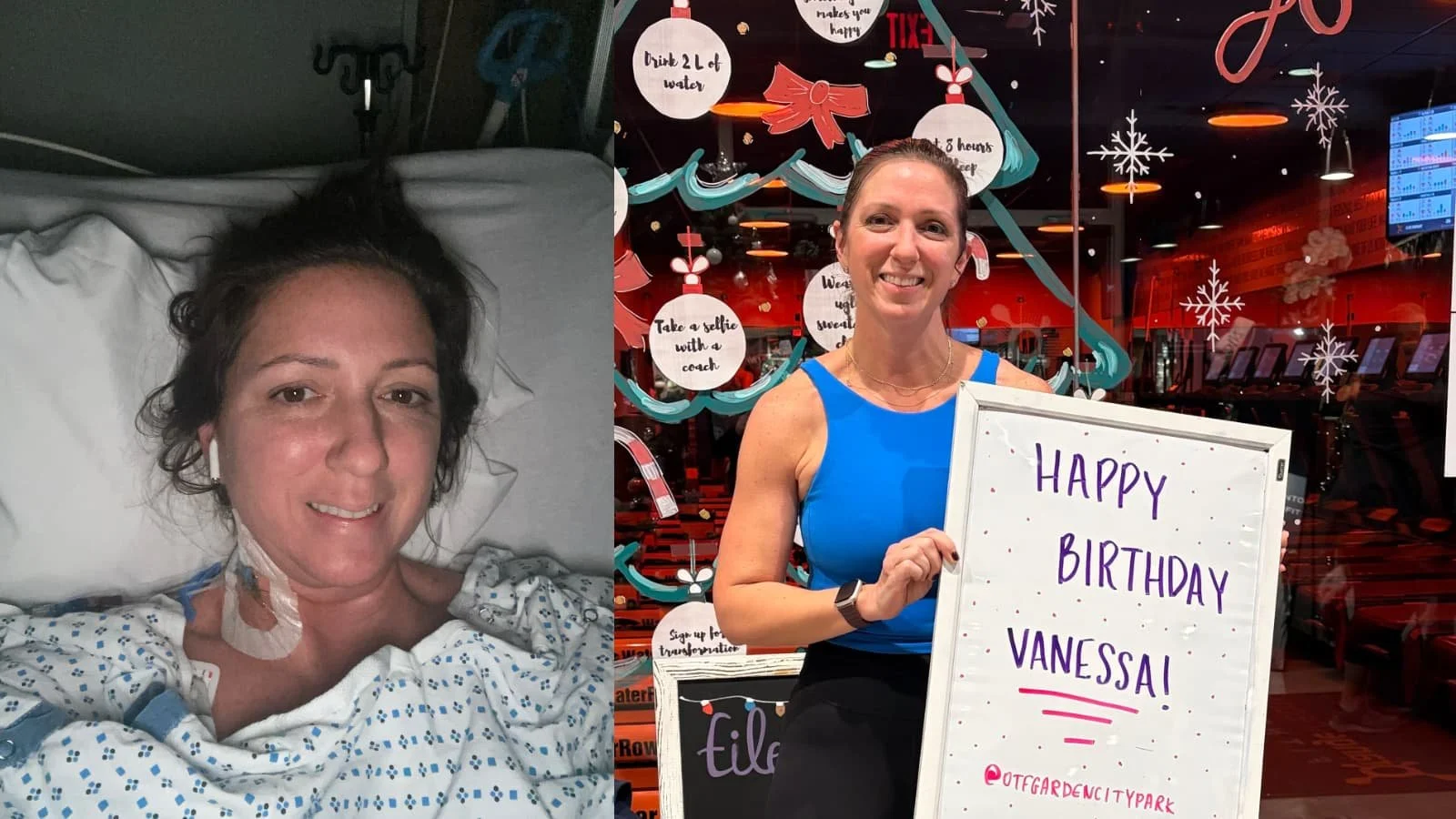
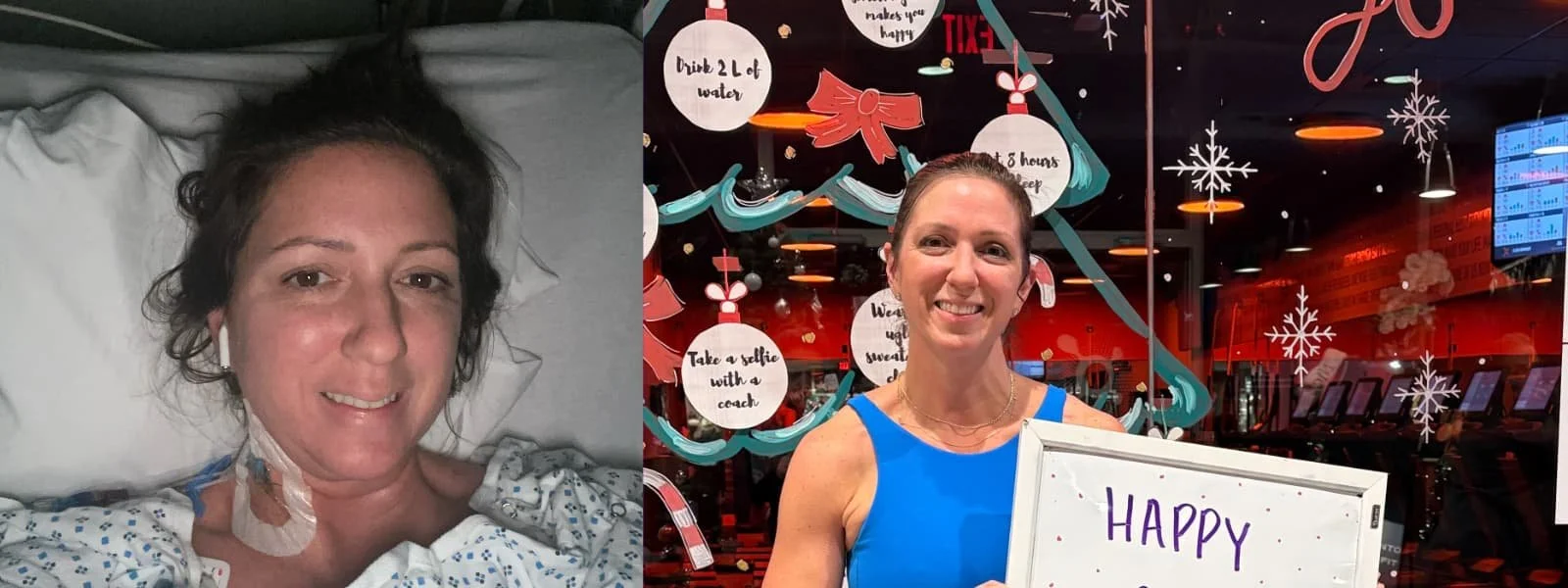
Vanessa’s Sepsis Story: From a Suspected Stomach Bug to Septic Shock

Friday, February 16, started just like any other day. I did my early morning workout, got the kids off to school, and went to work. That evening, we had a family dinner, and everything seemed normal. But as night fell, I started to feel achy and unwell. With winter break approaching, I thought, Great timing – getting sick right before a break.

That night, the chills hit me violently. By Saturday morning, I woke up with severe stomach pain and nausea. I chalked it up to a stomach bug and hoped it would pass in 24 hours. I stayed in bed most of the day, barely keeping anything down. Reluctantly, I canceled plans to see a Broadway play, thinking sleep would cure me. I didn’t even check for a fever; I didn’t think it was that serious.

By Sunday, I was still sick, and my mother insisted I go to urgent care. My husband drove me there, though walking had become difficult. I assumed I was just weak from being unwell and hungry.

At urgent care, my blood pressure was 65/44, and I was running a fever. They gave me Tylenol and were preparing to call an ambulance, but I still didn’t grasp the severity. I asked my husband to take me to the hospital instead. Every bump in the car sent waves of pain through my body.

In the ER, they immediately wheeled me past the waiting room. I thought it was luck. But after initial assessments, I noticed the nurses and doctors wearing ICU badges. CT scans were done, and I couldn’t pass urine, so a catheter was inserted. The doctors began prepping me as a suspected sepsis case. I couldn’t understand it; I was healthy. I just had a stomach bug.

As medications were started to stabilize my blood pressure, my pain increased. I was told surgery was imminent, though the source of infection was unknown. A central line was inserted into my neck to monitor and administer treatment. The surgeon spoke kindly but firmly, explaining that the scans were inconclusive and they needed to explore my abdomen.

I went into the OR, went under anesthesia, and had an arterial line inserted to monitor my blood pressure. That night, I underwent a laparotomy, and 700 ml of infected fluid was removed. They couldn’t determine the root cause, but fortunately, my organs were unharmed.

I woke up the next day intubated, my mind cloudy but aware of where I was. My husband was there saying everything was great, but I could imagine what he was seeing. I was extubated the following day. The week in the CCU was intense: I was on numerous IV antibiotics, in pain, with a giant incision and a drain. Walking was a slow shuffle, cords trailing behind me, yet I pushed myself. My brain was foggy, but I had to get home to my three children, who had no idea how sick I was. The view of a playground from my window broke my heart; I wanted to be there with them.

The nurses and doctors were incredible. They held me steady as I learned to walk again, checked my vitals, listened to my belly, and encouraged me to talk about my kids to distract from the pain. Their support helped me stay focused on recovery. When I was finally discharged, I was ecstatic to go home.
Home life was different. The first floor of my house became my world: a recliner, a commode, and the humming of life around me. The first night brought a fever spike and intense pain. I even began writing down notes for my family, fearful of returning to the hospital and not coming home. The following day, I stabilized, but recovery was slow. My once-sharp mind struggled with focus and multitasking. My strong, active body could barely walk. Emotionally, I swung from anger to sorrow.
Despite everything, I channeled my energy into recovery. I can now laugh about the stomach bug that almost killed me. I share my story widely and have encouraged at least three close friends to seek care when in pain; each had appendicitis successfully treated with simple surgery. I also rediscovered a love of exercise, which I truly believe helped save me.

Today, when I look at my giant scar and feel the creeping question of “Why me?”, I try to find perspective. I survived. My doctors recognized the signs of sepsis, and now so do I.


The article above was written by Vanessa Sparacio and is shared here with her explicit consent. The views in the article do not necessarily represent those of the Global Sepsis Alliance. They are not intended or implied to be a substitute for professional medical advice. The whole team here at the Global Sepsis Alliance and World Sepsis Day wishes to thank Vanessa for sharing her story and for fighting to raise awareness for sepsis.

Marvin Zick
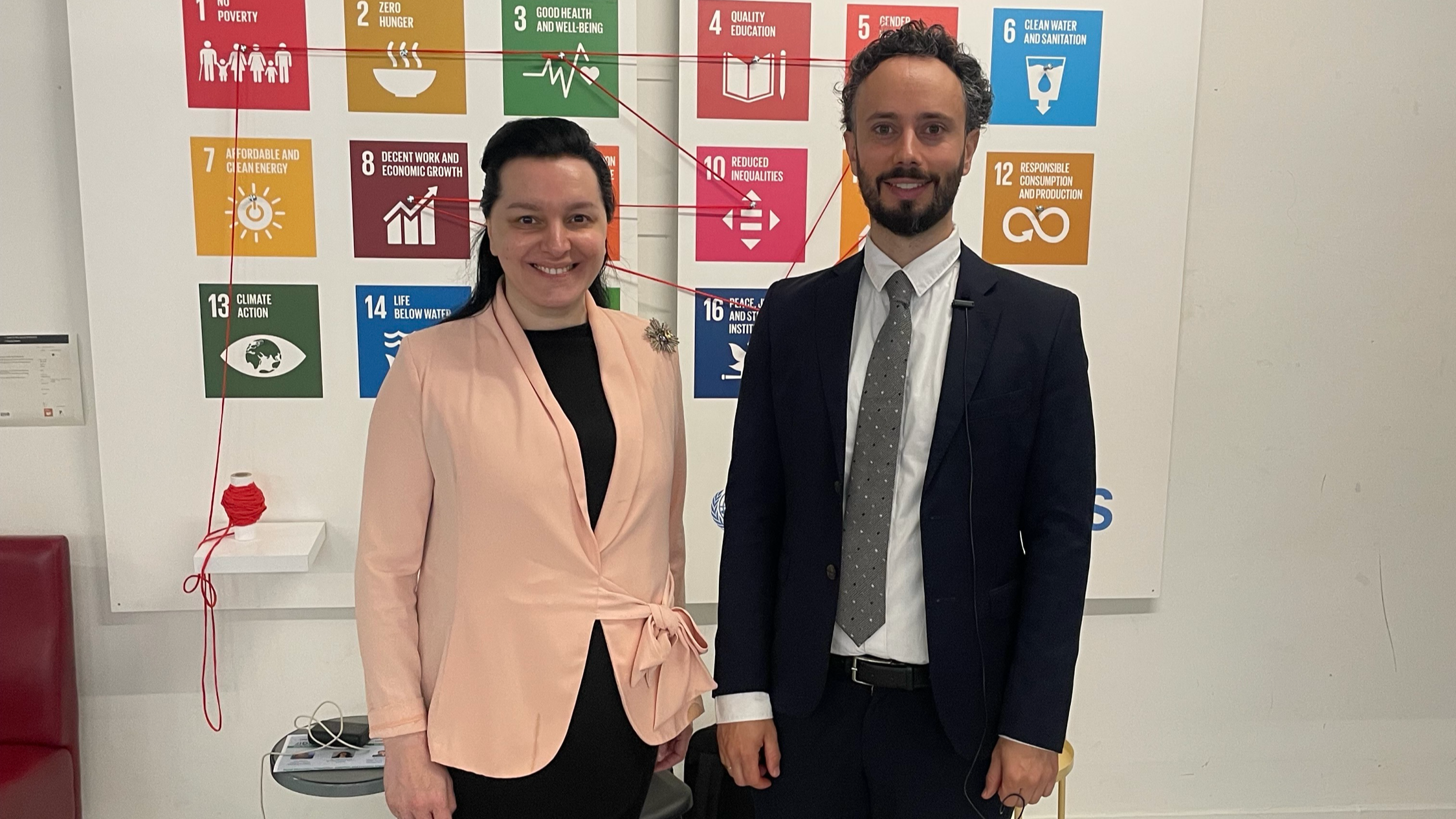
GSA Formalizes Strategic Partnership with the Infectious Disease Alliance

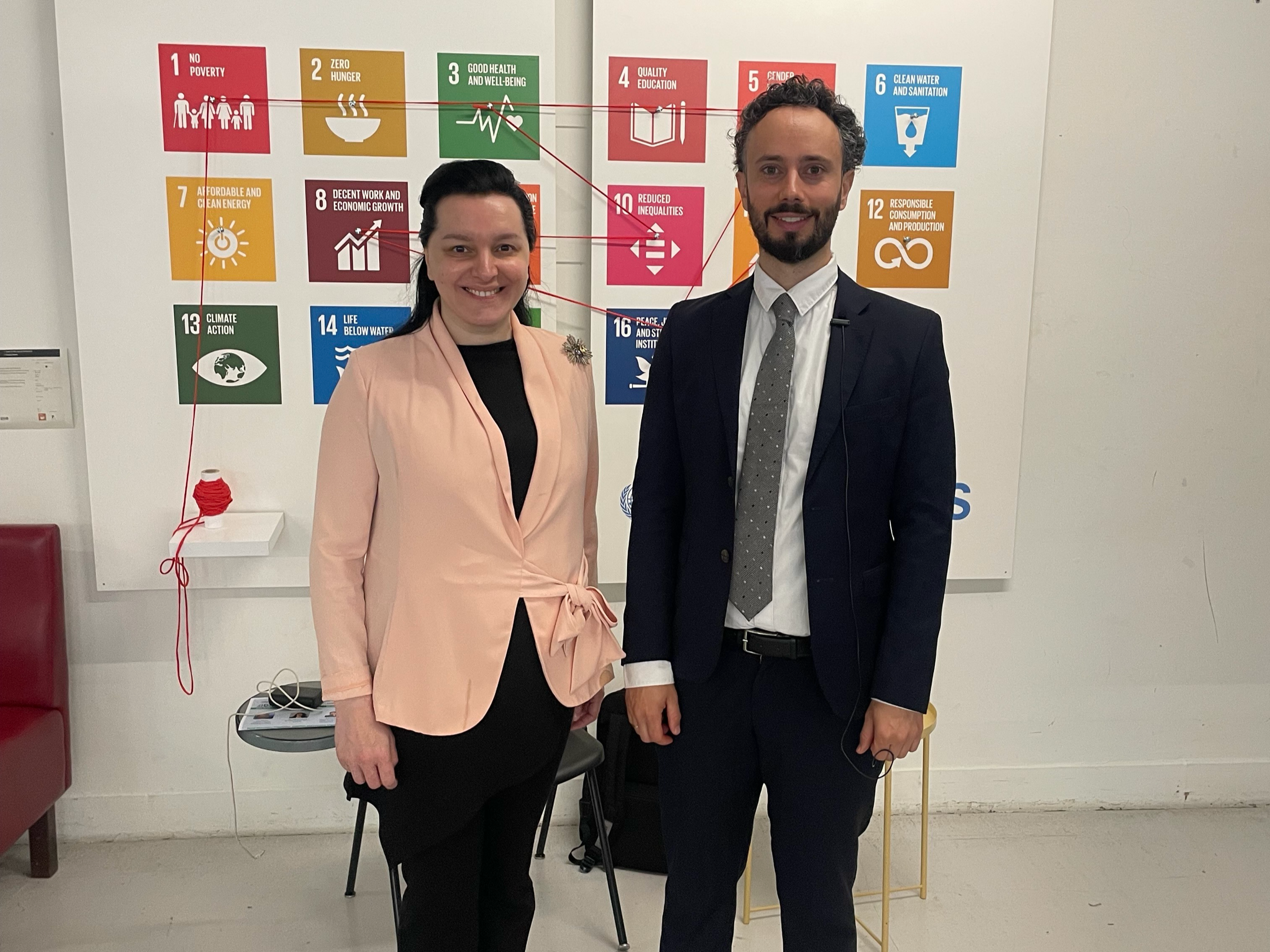
GSA CEO, Dr. Mariam jashi, and IDA Executive Director, Rodrigo Scotini

The Global Sepsis Alliance (GSA) is proud to announce a new Memorandum of Understanding with the Infectious Disease Alliance (IDA), formalizing a partnership built on a shared conviction: sepsis cannot be tackled in isolation from the broader fight against infectious diseases.

Under the agreement, GSA and IDA become full members of one another's networks, opening the door to joint committees, working groups, and campaigns. GSA also joins IDA's Primary Healthcare Coalition and Global Health Finance Coalition, reflecting the understanding that integrated care and sustainable financing must go hand in hand. Together, the two alliances will align policy priorities, coordinate advocacy, co-host events from the World Health Assembly to the World Health Summit, and develop joint fundraising and communications initiatives.

At its heart, this partnership is about recognizing sepsis as a marker of quality of care and a central thread running through infectious disease response, AMR, and pandemic preparedness. By working as one, GSA and IDA aim to ensure sepsis advocacy is fully embedded within the wider infection management agenda, rather than treated as a parallel conversation.

We are deeply grateful to IDA Executive Director Rodrigo Scotini for his leadership and vision. This MoU marks the beginning of a shared journey. The recent appointment of Simone Mancini, GSA Partnership Lead and Director of the European Sepsis Alliance, as a member of the IDA Board of Directors, confirms the common will of the two organizations to work together towards a shared vision.

Simone Mancini
UK Department of Health Announces Historic Modern Service Framework for Sepsis

On Tuesday July 14, NHS England (NHSE) and the Department of Health and Social Care (DHSC) published the Modern Service Framework (MSF) for Sepsis, outlining a ten-year vision to transform sepsis care by 2035.

The MSF aims to reduce deaths, life-changing complications, and the long-term impact of sepsis for everyone by at least 25% over the next decade. This will be achieved through better prevention, earlier diagnosis, improved treatment, rehabilitation, research, and innovation.

The ambition is simple but powerful: to make sure every person with sepsis receives the best possible care the NHS can offer, whenever and wherever they need it.

 Dr Ron Daniels BEM, Founder and Chief Medical Officer of the UK Sepsis Trust, and Vice President of the GSA said: “The publication of the Sepsis MSF marks a significant moment for patient safety. For too long, progress in sepsis care has been held back by fragmented and inconsistent practice. This framework sets out to change that, and we welcome plans for improved diagnostics, treatment and care.“

Why a Sepsis MSF?

Modern Service Frameworks are a key part of the NHS 10-Year Health Plan. They are long-term frameworks designed to tackle the biggest health killers by setting consistent national standards and supporting high-quality, high-value, and equitable care across key clinical pathways. Sepsis is a priority condition for the new MSF because of the significant mortality, morbidity, and healthcare activity that results from it: it’s the second biggest killer after cardiovascular disease in England.

In the UK, five people lose their lives to sepsis every hour. It’s a life-threatening condition which arises when the body’s response to infection harms its own tissues and organs and is estimated to affect 245,000 people in the UK every year, claiming 48,000 lives.  82% of sepsis survivors are experiencing ‘Post-Sepsis Syndrome’ more than a year after hospital discharge, and 18% left permanently unable to work.

The MSF’s publication comes as sepsis continues to place considerable pressure on both the NHS and the wider economy. In 2024/25, sepsis was responsible for more than 154,000 emergency hospital admissions in England (based only on coded data, so almost certainly an underestimate), while new research from the York Health Economics Consortium (YHEC), commissioned by the UK Sepsis Trust, estimates that the condition costs the UK economy £23 billion annually.

What it means for patients

Sepsis is one of the biggest killers in England and tackling sepsis is a priority for the NHS. The new NHS Sepsis Modern Service Framework has a clear goal, to reduce deaths, serious illness, and long-term harm from sepsis by at least 25% by 2035. This means better, more consistent care for everyone across the country.

It will improve the way sepsis is treated right now, while also accelerating innovation and research to develop new and better treatments for the future. Looking ahead, a sustainable national research and innovation infrastructure — guided by patient experience and aligned with clear implementation pathways — will continue to drive improvements in care for generations to come.

What it means for HCPs

The Sepsis MSF addresses both the immediate need to strengthen existing care pathways and the longer-term ambition to accelerate research and innovation, developing new models of care that will transform how sepsis is prevented, identified, and treated.

Some patient groups face significantly worse outcomes from sepsis due to health inequalities. The Sepsis MSF explicitly prioritises reducing these disparities, ensuring improvements in care and outcomes are equitable and felt across all population groups and life stages.

Dr Daniels commented: “However, it’s important to remember that this is a 10-year plan and we are not expecting immediate delivery of all of its proposals. Nonetheless, it is hugely encouraging to see the framework’s suggestion that by 2035, we will have the best and most resilient infrastructure for recognising and managing sepsis, for all people and in all settings, in the world. 

"We look forward to working alongside NHSE and DHSC to ensure that this MSF fulfils its world-leading potential in transforming sepsis outcomes across our health system."

Simone Mancini
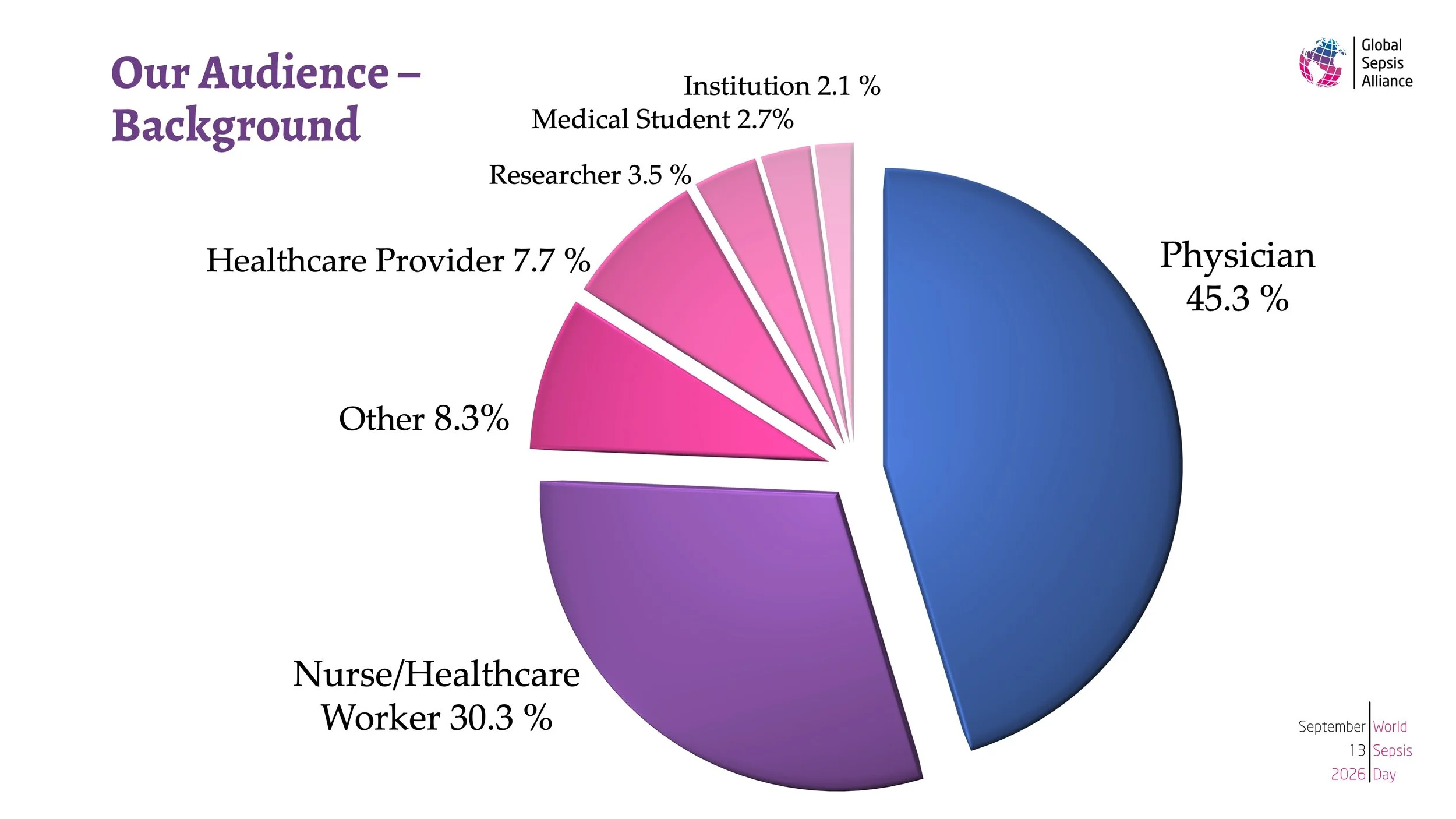
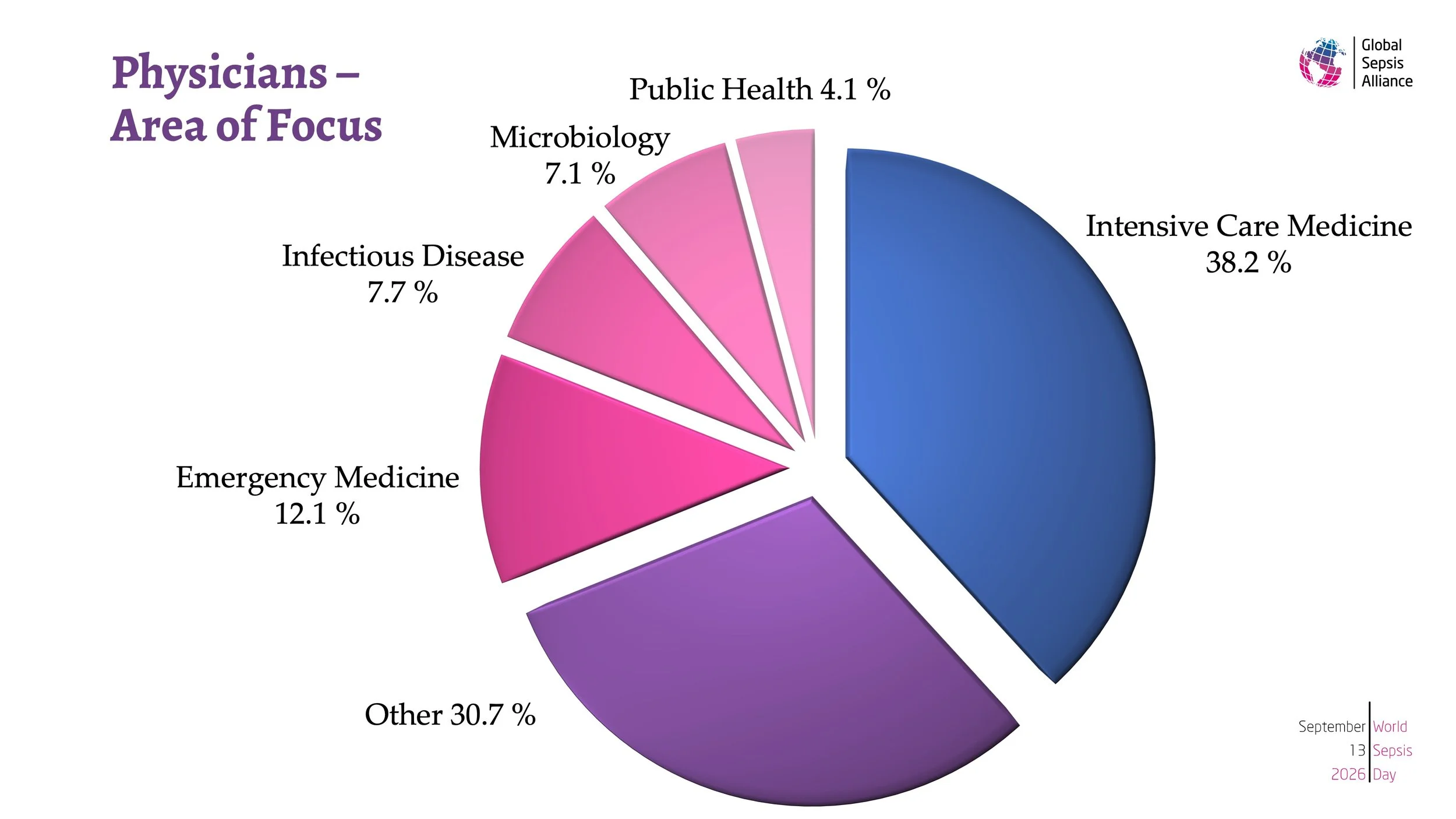
6th WSC Final Report: Statistics and Numbers from the 6th World Sepsis Congress

The 6th World Sepsis Congress has officially concluded, and we are delighted to share the final report, highlighting the remarkable reach, engagement, and impact of this year’s event.

Held on April 22 and 23, 2026, under the theme “Universal Sepsis Care for Newborns, Children, and Women,” the congress brought together healthcare professionals, researchers, policymakers, survivors, and advocates from around the world to advance knowledge and improve outcomes for some of the populations most vulnerable to sepsis.

As always, the congress was completely free to attend and featured live presentations, interactive Q&A sessions, and on-demand access to all sessions following the event.

Among this year’s highlights:

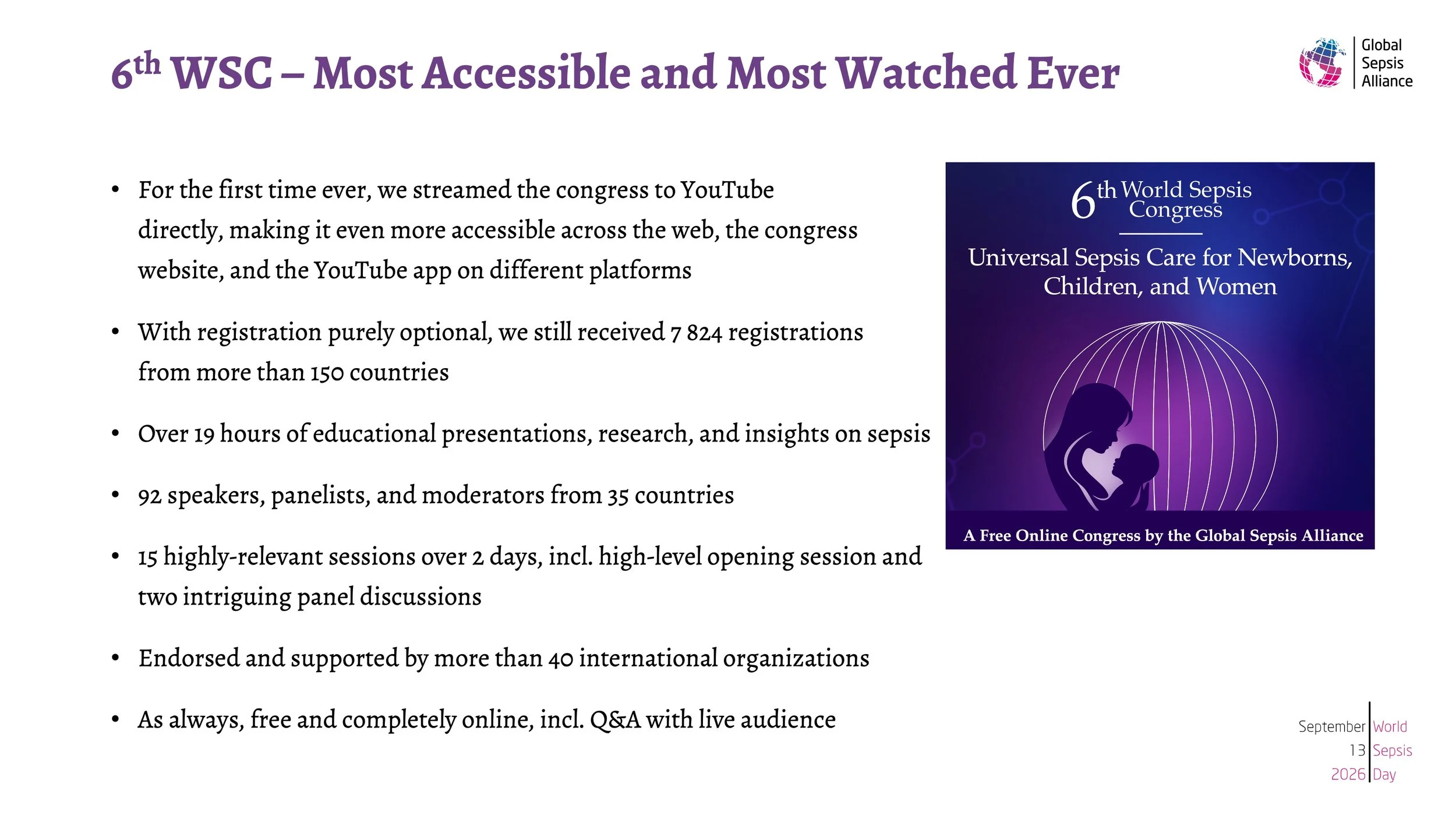
  • 7,824 registrations from more than 150 countries, despite registration being entirely optional

  • For the first time ever, World Sepsis Congress was streamed directly to YouTube, making the congress even more accessible across the web, mobile devices, and smart TVs

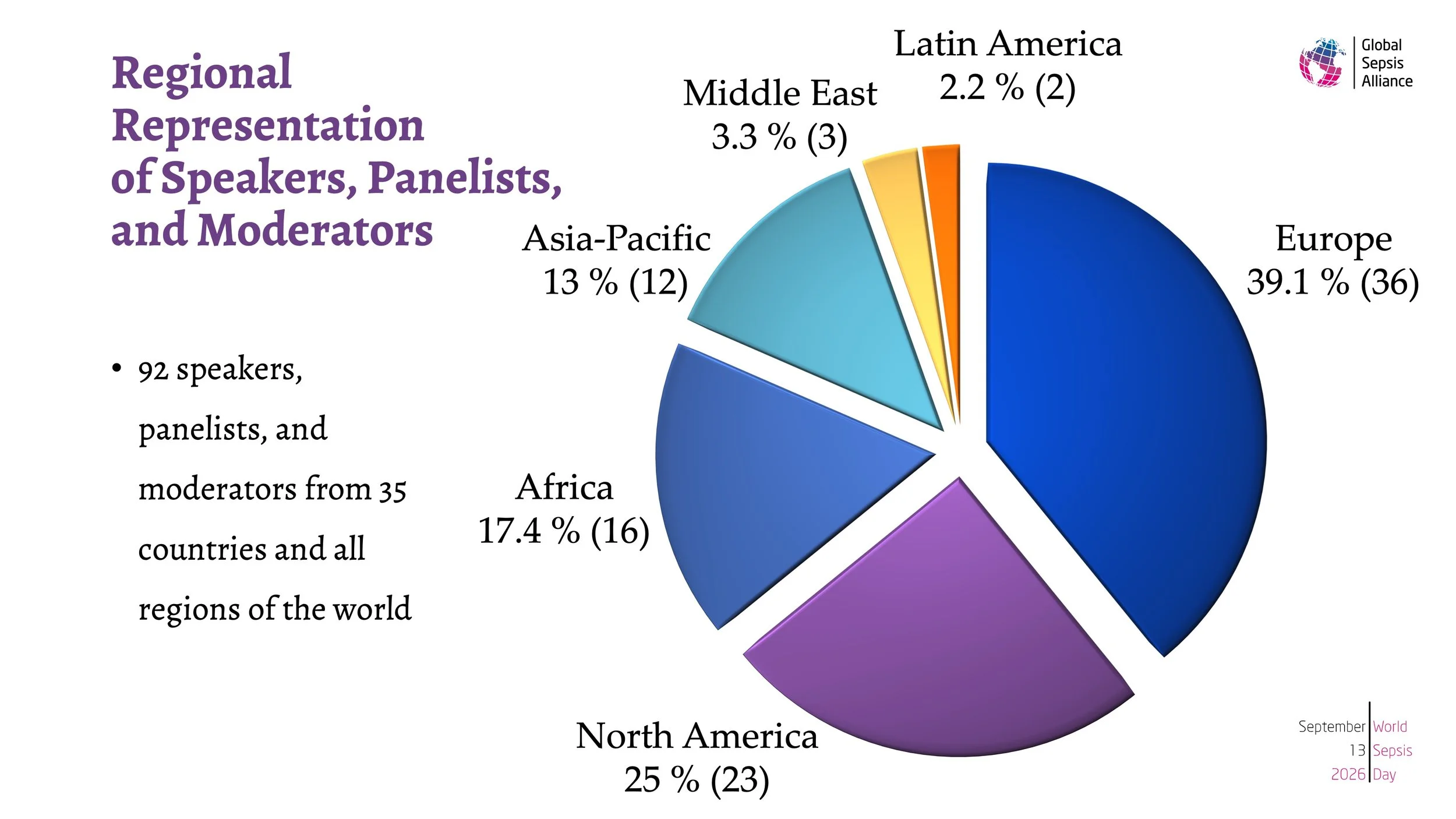
  • 92 speakers, panelists, and moderators from 35 countries, representing every region of the world

  • More than 19 hours of educational sessions, including 15 scientific sessions and two live panel discussions

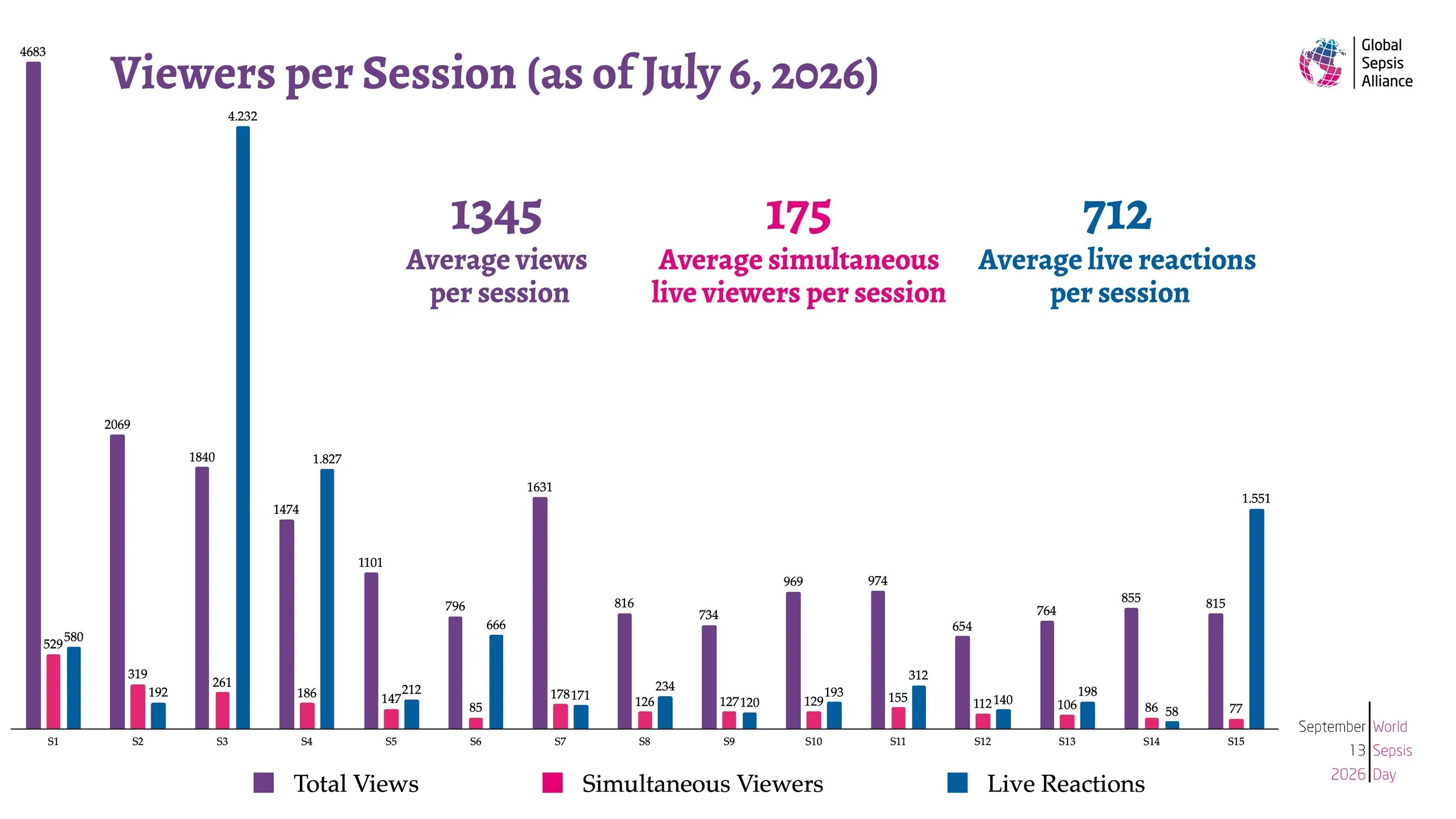
  • An average of 1,345 views per session and 175 simultaneous live viewers, making this the most-watched World Sepsis Congress to date

  • Support and endorsement from more than 40 international organizations.

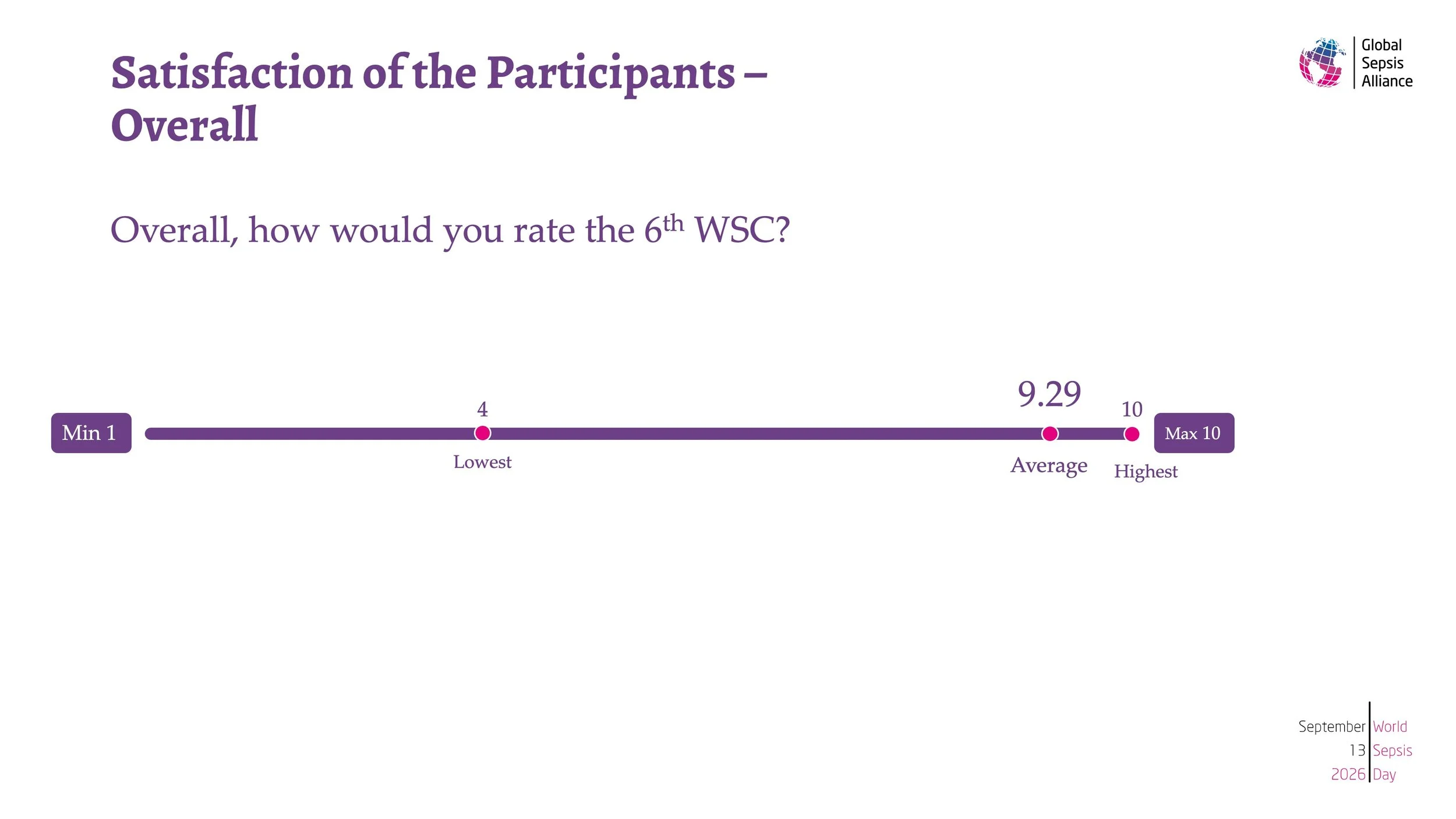
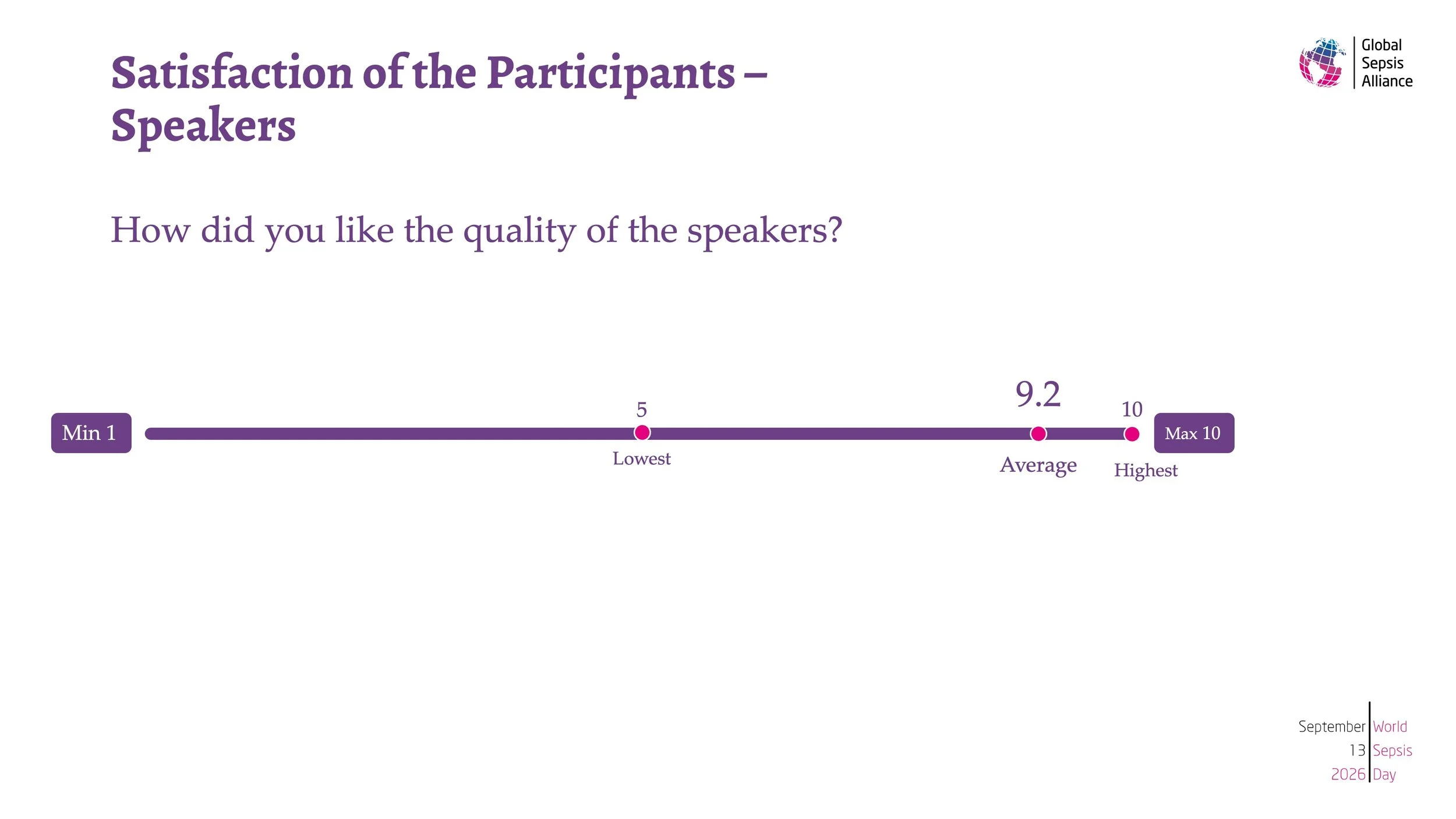
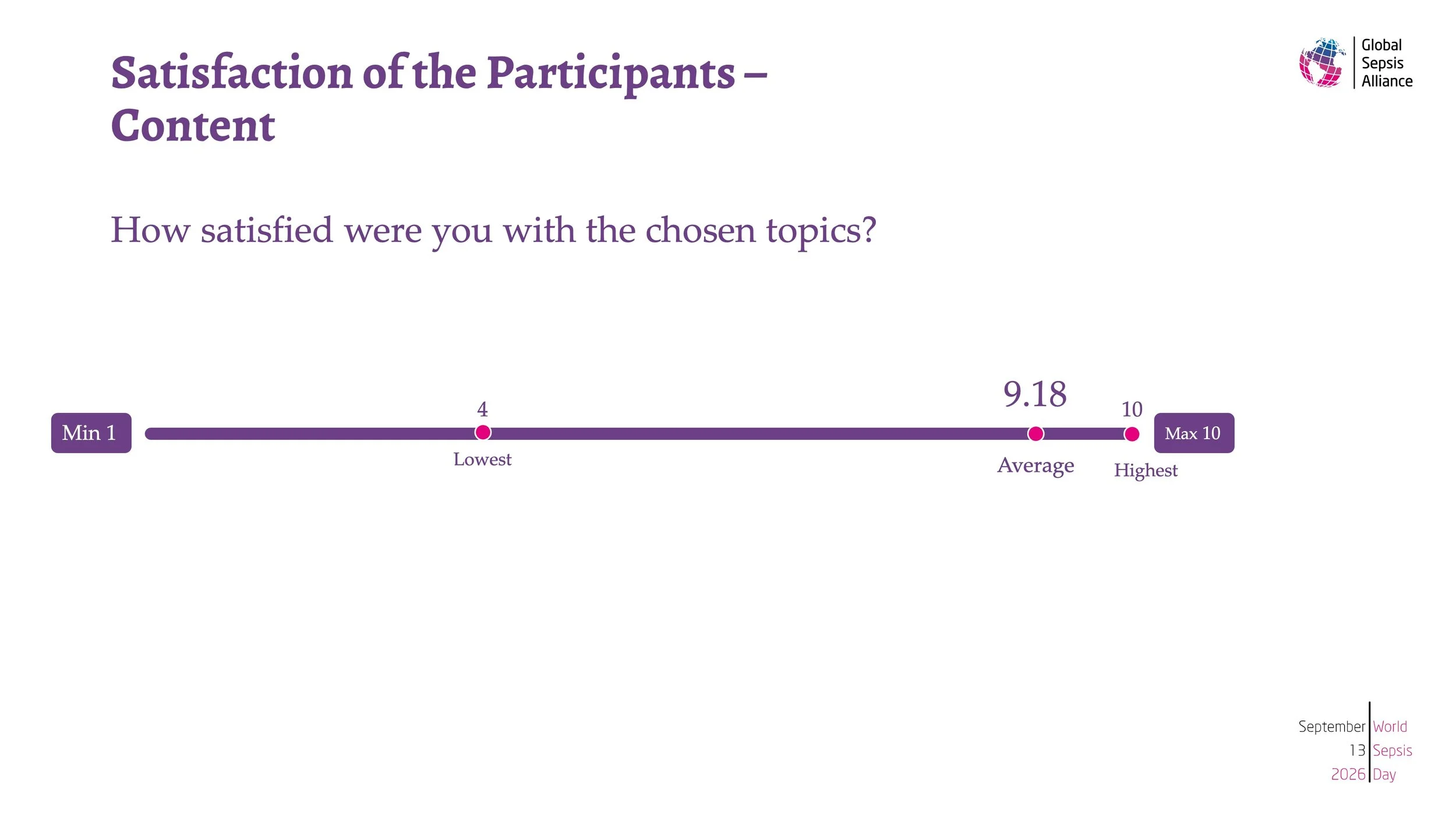
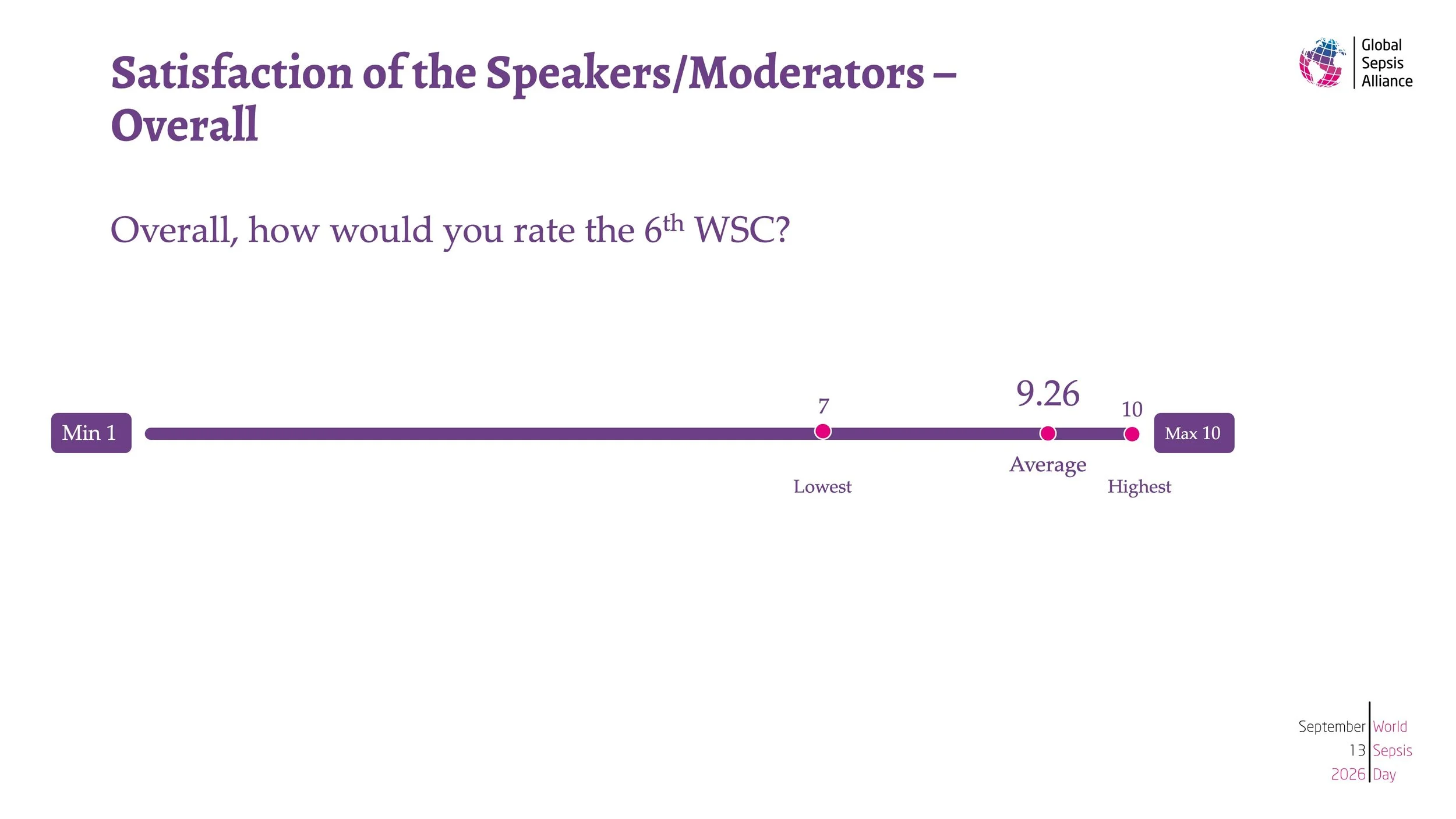
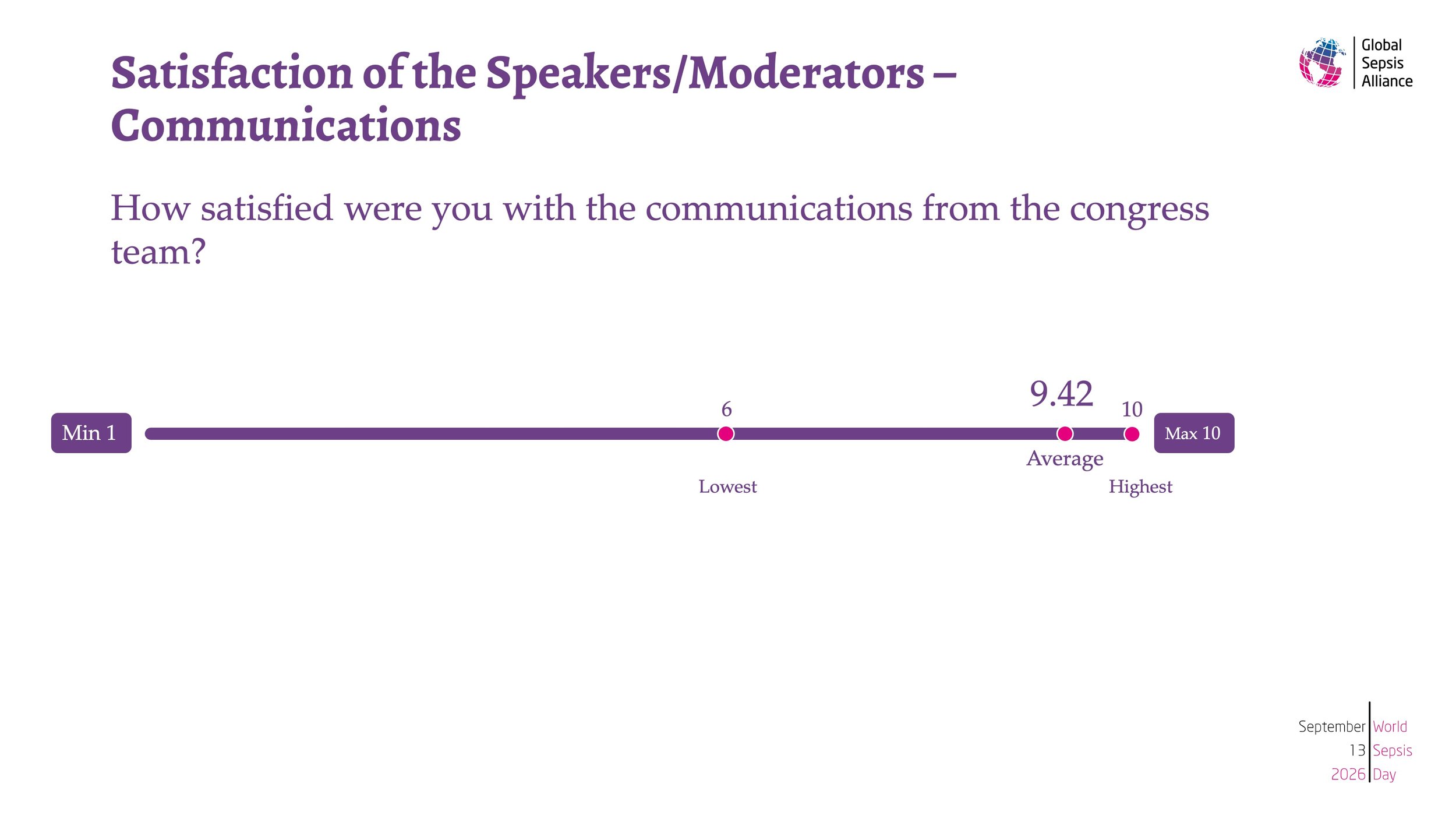
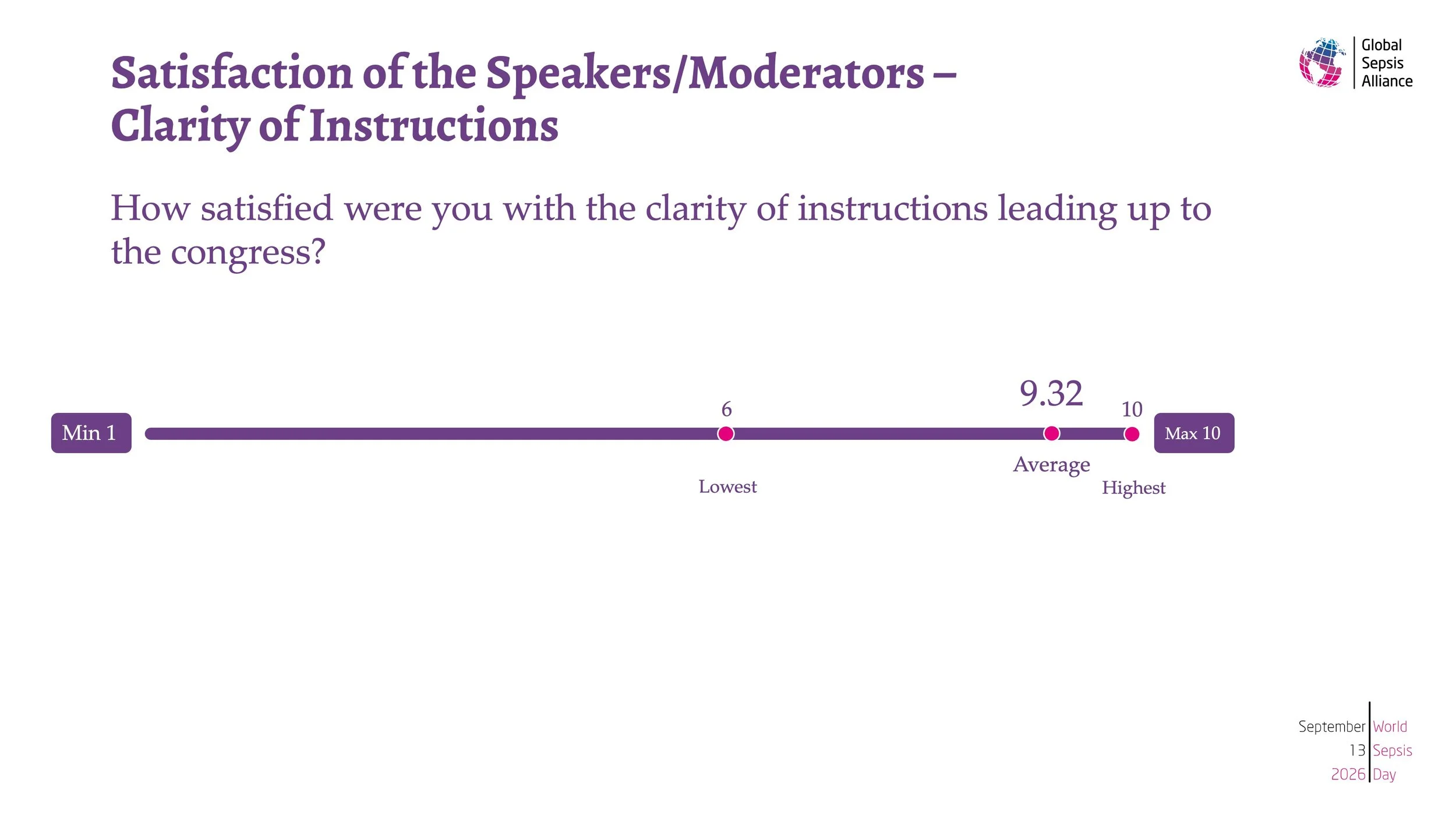
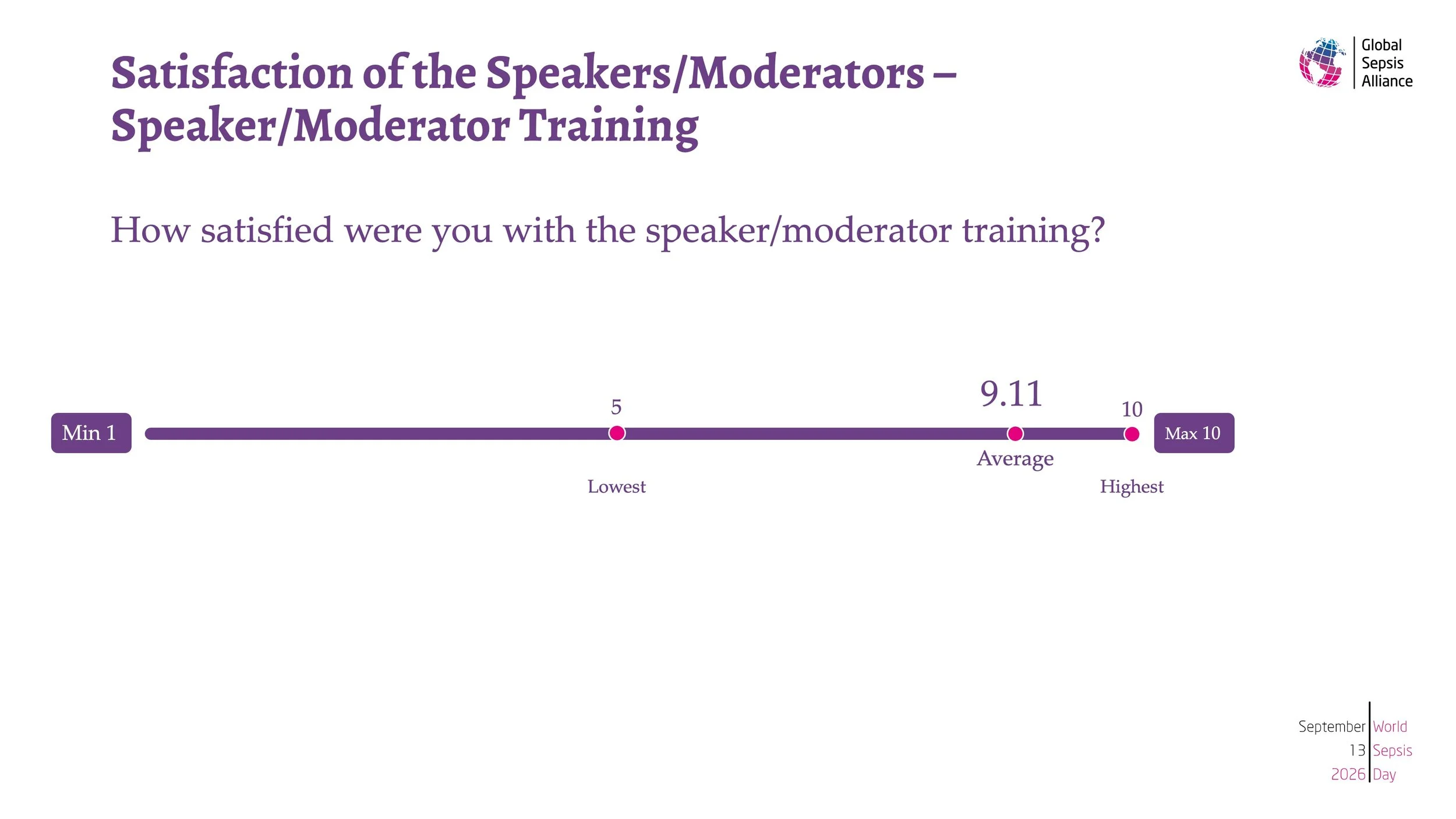
Participant feedback was once again overwhelmingly positive. Attendees rated the congress 9.29 out of 10 overall, with similarly high ratings for both the quality of the speakers (9.2/10) and the relevance of the scientific content (9.18/10). Speakers and moderators also reported an excellent experience, giving the congress an overall rating of 9.26 out of 10.

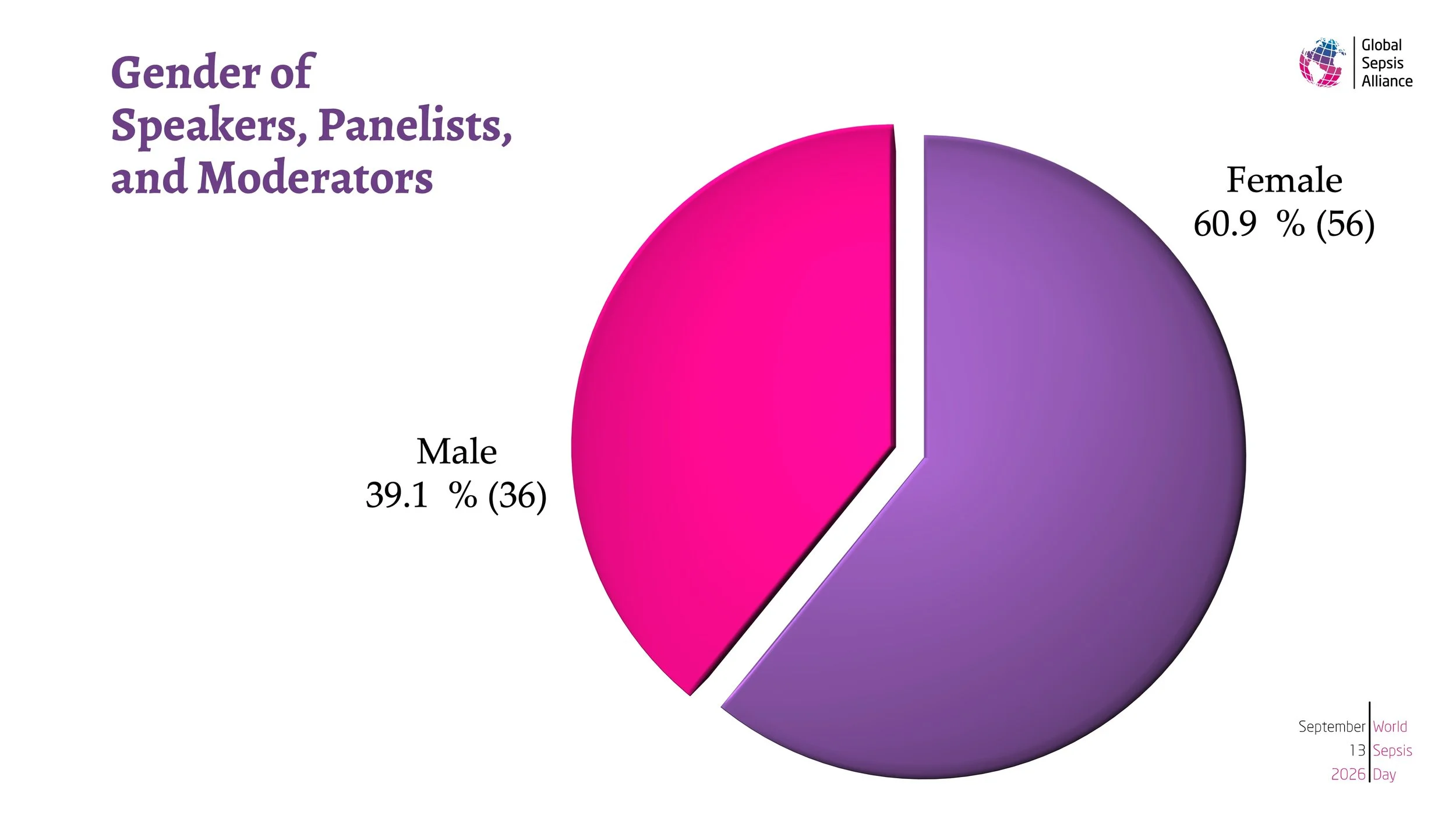
The congress also reflected our continued commitment to diversity and global representation. More than 60% of speakers were women, and faculty members came from 35 countries across Europe, North America, Africa, Asia-Pacific, the Middle East, and Latin America.

World Sepsis Congress continues to demonstrate that high-quality global medical education can be accessible to everyone, regardless of geography or financial resources.

The complete report includes detailed statistics on registrations, audience demographics, viewing figures, participant and speaker satisfaction, and much more.

Download the full report to explore the complete results and insights from the 6th World Sepsis Congress.

Last but not least, we thank our Scientific Committee, speakers, moderators, supporting organizations, sponsors, and, above all, the thousands of participants who joined us from around the world.

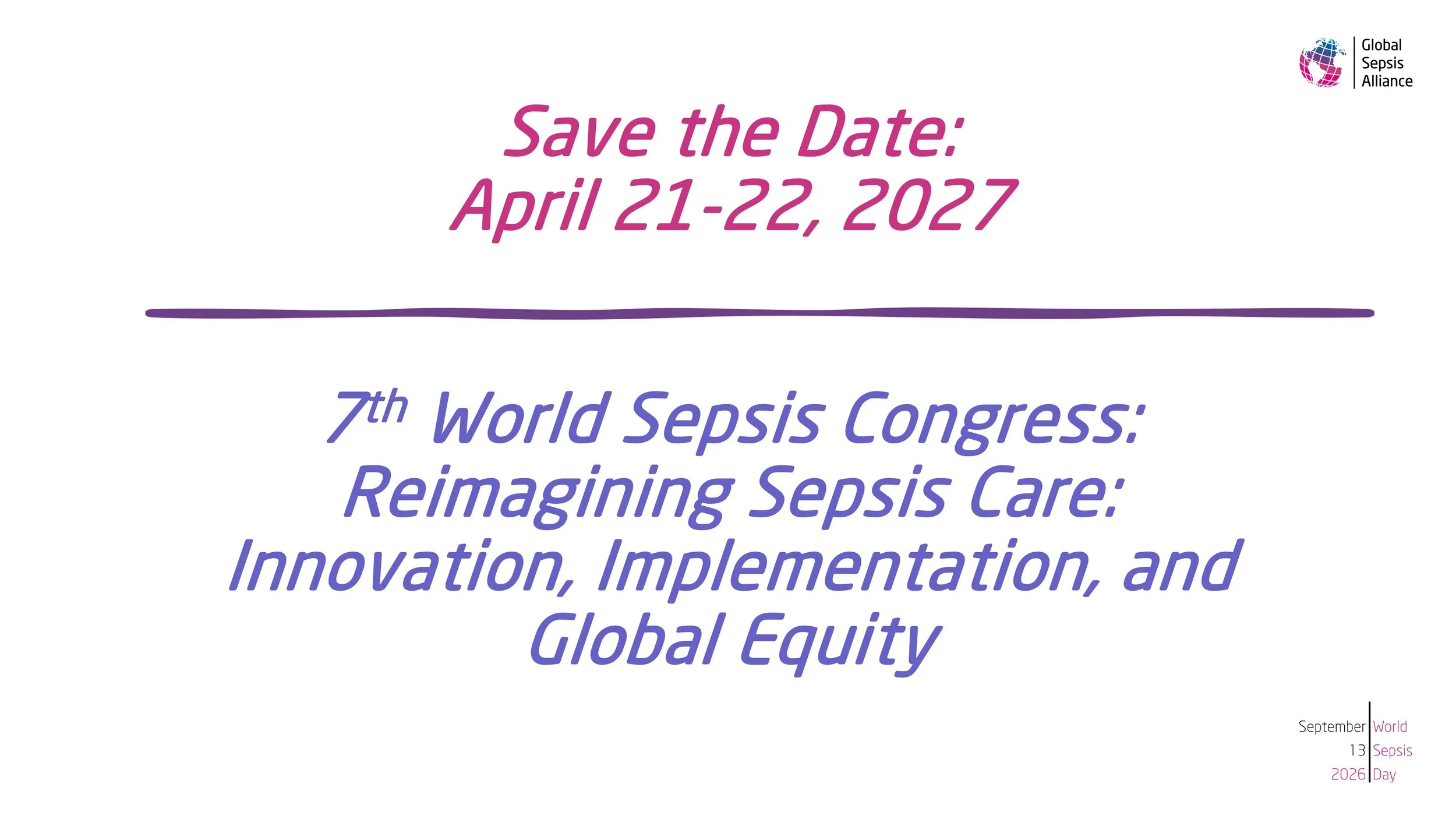
We look forward to welcoming you to the 7th World Sepsis Congress, taking place on April 21 and 22, 2027, under the theme “Reimagining Sepsis Care: Innovation, Implementation, and Global Equity.”

Marvin Zick